


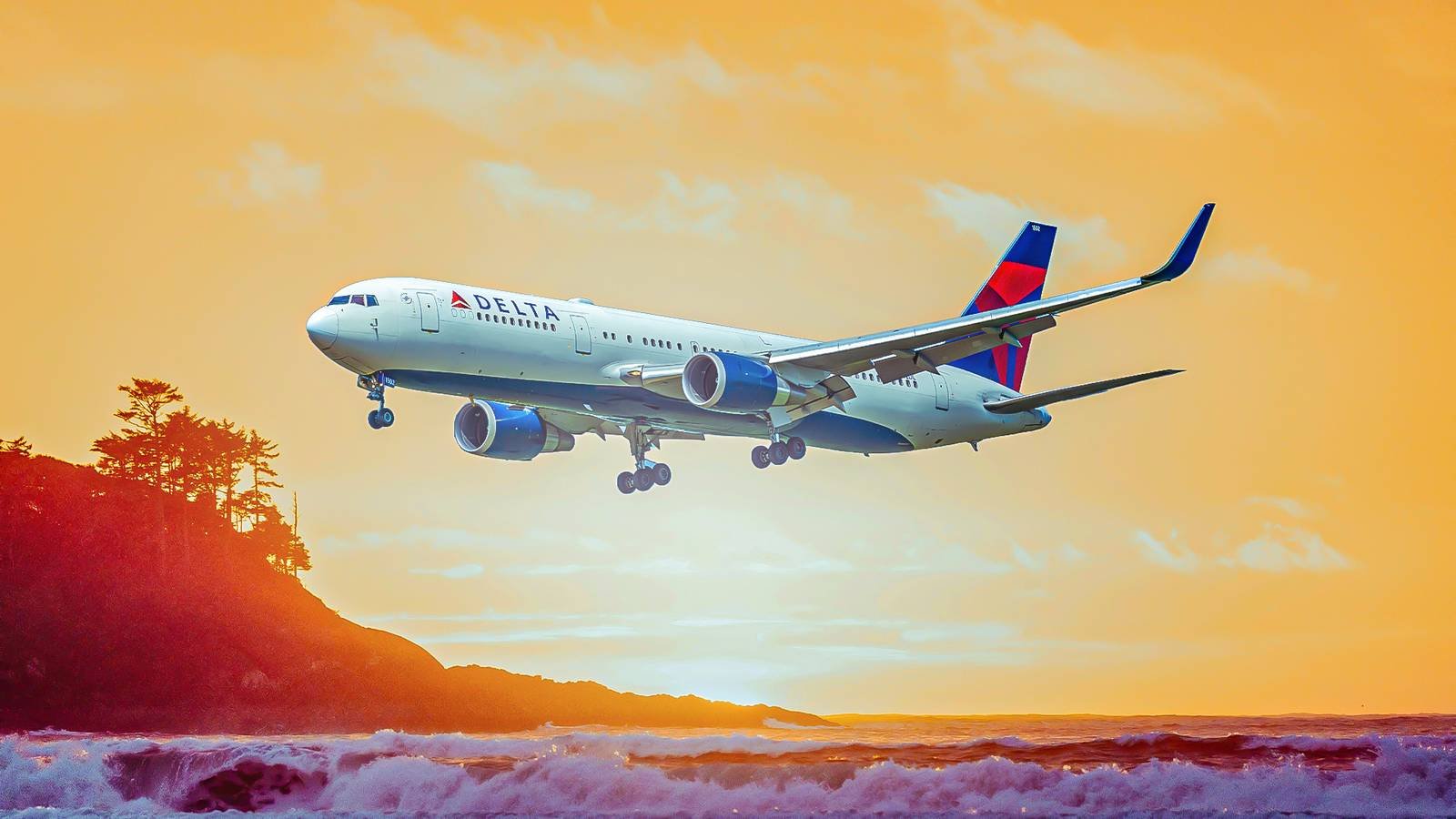
SkyTeam carrier  Delta Air Lines recently had its own Chief Executive Officer, Ed Bastian, suggest that a recent increase in the cost of airfares is due to continued capacity constraints at some of the country’s busiest airports, pointing the finger at air traffic control. This has seen many critics question that suggestion.
In a report by One Mile At A Time, the publication dissected the 15-minute interview where Bastian spoke with Fox Business. The airline CEO spoke about the current operations for the airline, and following the Iran crisis, the cost of airfares has increased by up to 15%. At this stage, the airline is not expecting these costs to increase any higher than that.
Air Traffic Control Is A Factor In Increased Airfares, According To Delta CEO

During Bastian’s interview, the CEO was speaking to the current air traffic control reform, and he suggested that the price of airfares would be expected to drop when there is more supply. At the moment, Bastian has claimed that the air traffic control system is congested, which is resulting in less competition in the market.
Elaborating on his claims, Bastian suggests that there is an issue with supply and demand, and that the market is logjammed. If skies were to be opened up and more airlines could operate routes, this could force the costs of airfares down. Bastian’s statement below:
“People ask me all the time, what’s happening with prices? Prices will come down when we can fly more, when there’s more supply, it’s a supply and demand. Right now we’re kind of logjammed. There’s not a lot of supply we can bring in because the air traffic control system is congested. As you open up the skies, and you bring more flow, that’s going to help bring pricing down and enable us to bring more people to more places.”
Are Bastian’s Claims Valid?

While it is no secret that there are challenges faced with the United States air traffic control system, and it does create additional flight delays, there is much more to consider when it comes to airfare increases. The airline industry is built on supply and demand, and airlines must adapt their operations to suit the markets they serve.
The 2026 Iran Crisis undoubtedly has played its part in the increase in airfares; however, the state of the air traffic control in the country has not changed in that period. Airlines should be looking at optimizing routes and considering increasing capacity by flying larger aircraft in place of regional planes as the market requires.
The cost of fuel has definitely contributed to a spike in airfares across the industry. Delta itself faced an extra US$ 2 billion increase in its energy costs; however, as the market has plateaued, Bastian confirmed that the airline is now in a good spot.
Delta Air Lines To Cut Capacity, Expects Increased Fuel Prices Will Result In $2 Billion Cost
Jet fuel prices are forcing Delta to make strategic capacity cuts, aiming to mitigate the financial impact of an estimated $2 billion cost increase.
Airfare Prices Have Surged In The Last Few Months

As reported earlier this year by Simple Flying, airfares in the United States have increased around 20% when compared to the same point this time last year. The majority of this increase has been expected through soaring fuel costs. Passengers now face noticeably higher airfares for both domestic and international flights.
While political stability in the Gulf region persists, airlines have signalled that profitability may require price adjustments this year. Airline ticket data is the fastest-growing transportation cost in the country, and despite higher ticket prices, demand for travel remains relatively strong on both international and premium leisure routes.
Fuel is one of the largest expenses for an airline, so the callout from Delta’s CEO that air traffic control is the reason is somewhat biased and is shaped less by a system that is struggling to move aircraft, and the development and modernization of air traffic control in the United States.
