


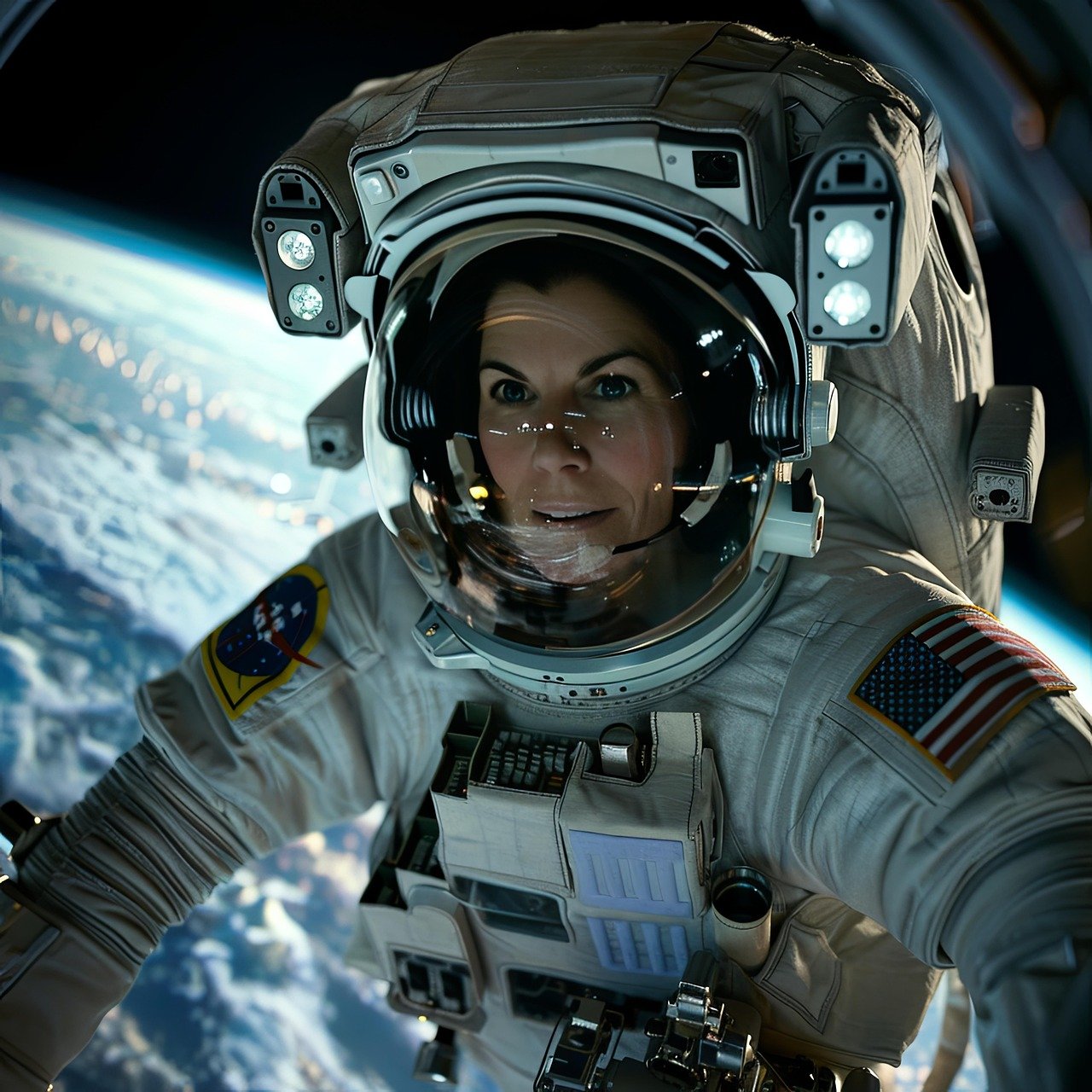
Commercial space travel is moving quickly. Medical science, however, is struggling to keep pace.
Last year, around 70 people travelled to space on orbital and suborbital missions. In the coming years, that figure is expected to rise sharply. Private companies backed by figures such as Elon Musk, Jeff Bezos and Richard Branson are helping drive rapid growth in space tourism.
Instead, interest is beginning to shift toward longer missions and sustained human presence in space. As a result, scientists are reassessing biological risks once considered remote.
How Spaceflight Already Alters The Human Body
Decades of work by NASA show that spaceflight rapidly changes the body. In microgravity, fluids shift upward, faces swell, and eyesight can deteriorate. Over time, bones weaken and muscles shrink without constant exercise.
Meanwhile, astronauts aboard the International Space Station receive far higher radiation doses than people on Earth. Even brief missions increase exposure.
Scientists warn that microgravity and radiation may disrupt hormones and could reduce sex drive or cause erectile problems. Although no human has ever had sex in space, these effects raise wider fertility concerns.
Fertility Is Becoming A Realistic Risk
As missions extend from days into months, reproduction is no longer a distant idea. Instead, it has become a practical medical issue.
A recent review in Reproductive BioMedicine Online argues that space presents a hostile environment for human fertility. Radiation can damage DNA, while microgravity interferes with hormonal balance and reproductive cells.
According to clinical embryologist Giles Palmer, animal studies already show that radiation can disrupt menstrual cycles and raise cancer risk. However, equivalent human data remains limited.
Why Current Evidence Is Inadequate
Women who flew on short Space Shuttle missions often later had healthy pregnancies. Those flights, however, lasted only days. Future missions may last months or even years.
Because of this, researchers cannot safely apply old data to new mission profiles. Over longer periods, radiation and microgravity may cause cumulative damage. Some scientists also fear genetic or epigenetic effects that could affect future children.
Scientists Urge Action Before Demand Explodes
For now, experts are not calling for pregnancy in space. Instead, they want preparation.
Proposals include better radiation shielding, fertility preservation options and clear ethical limits. Crucially, scientists also want international cooperation.
“As human presence in space expands, reproductive health can no longer remain a policy blind spot,” said Fathi Karouia.
Ultimately, researchers warn that commercial spaceflight may soon outpace humanity’s understanding of its most fundamental biological risks.

