


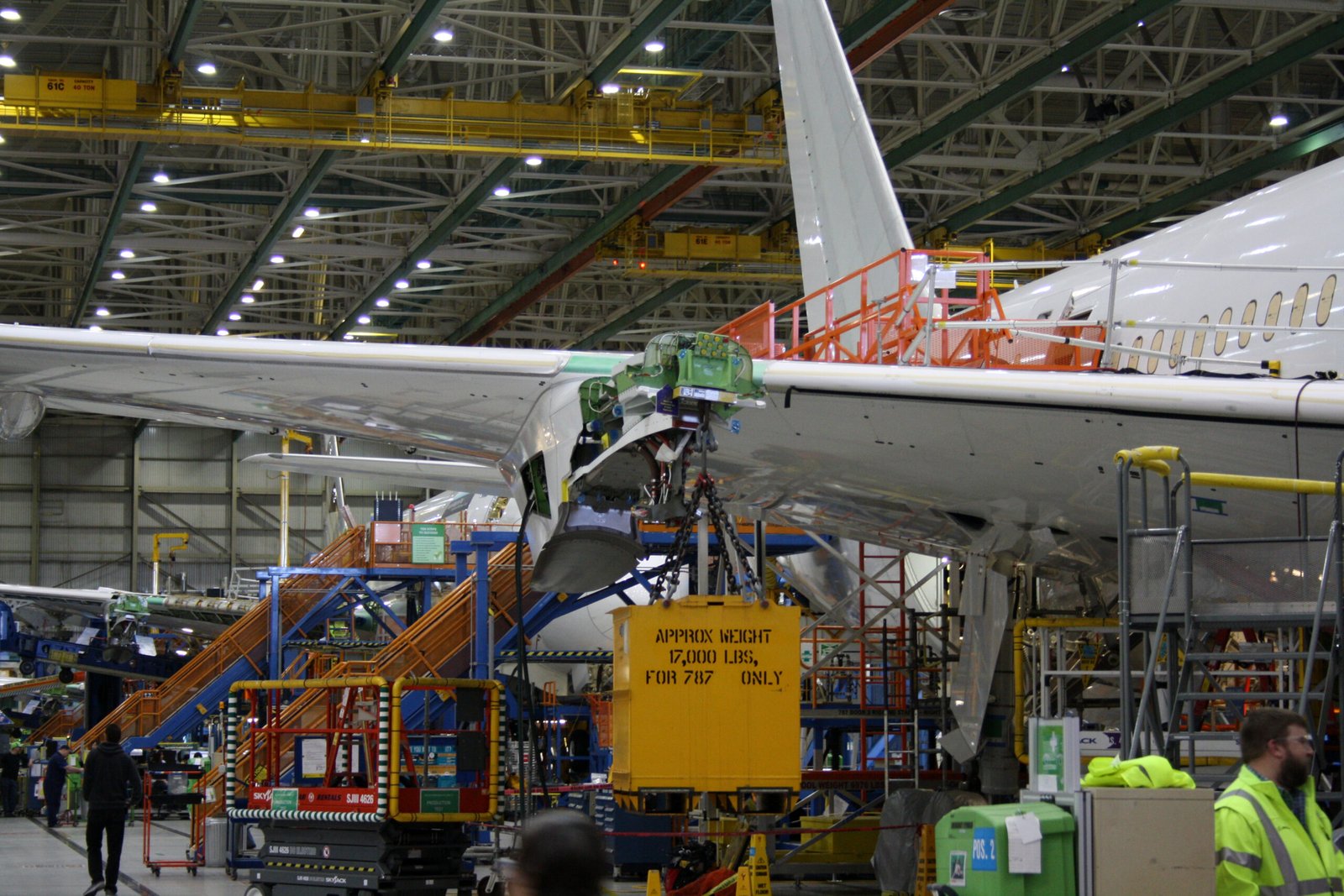
The Federal Aviation Administration (FAA) has restored Boeing’s authority to issue airworthiness certificates for newly produced 737 MAX and 787 aircraft following an eight-month safety review that found consistent production quality results.
The decision, effective July 20, allows Boeing’s Organization Designation Authorization (ODA) unit to resume issuing certificates at the end of the production process for all 737 MAX and 787 airplanes. The FAA had previously limited Boeing’s authority following concerns over production quality and safety oversight.
The FAA said its review compared aircraft certification results completed by Boeing and FAA inspectors over the past eight months and found comparable findings between the two processes. Based on that data, the agency determined Boeing could safely resume the responsibility while remaining under FAA oversight.
“Safety drives everything we do,” FAA Administrator Bryan Bedford said, adding that the agency’s inspectors will continue monitoring Boeing’s production system while focusing more attention on identifying potential risks earlier in the manufacturing process.
Under the FAA’s ODA program, manufacturers can perform certain certification functions on behalf of the agency through designated employees who act with FAA authority. Boeing’s ODA unit operates separately within the company to perform those responsibilities.
The FAA suspended Boeing’s ability to issue airworthiness certificates for the 737 MAX in 2019 following the Lion Air and Ethiopian Airlines crashes and later halted certification authority for the 787 in 2022 due to production quality concerns.
In September 2025, the FAA began a limited return of certification authority, allowing Boeing and FAA inspectors to alternate issuing certificates for certain 737 MAX and 787 aircraft. The latest decision expands that authority after the FAA determined Boeing’s production quality had remained consistent.
The FAA said it will continue inspections, audits and monitoring of Boeing’s production lines, including critical assembly activities, compliance with approved engineering requirements, safety management systems and overall safety culture.
