


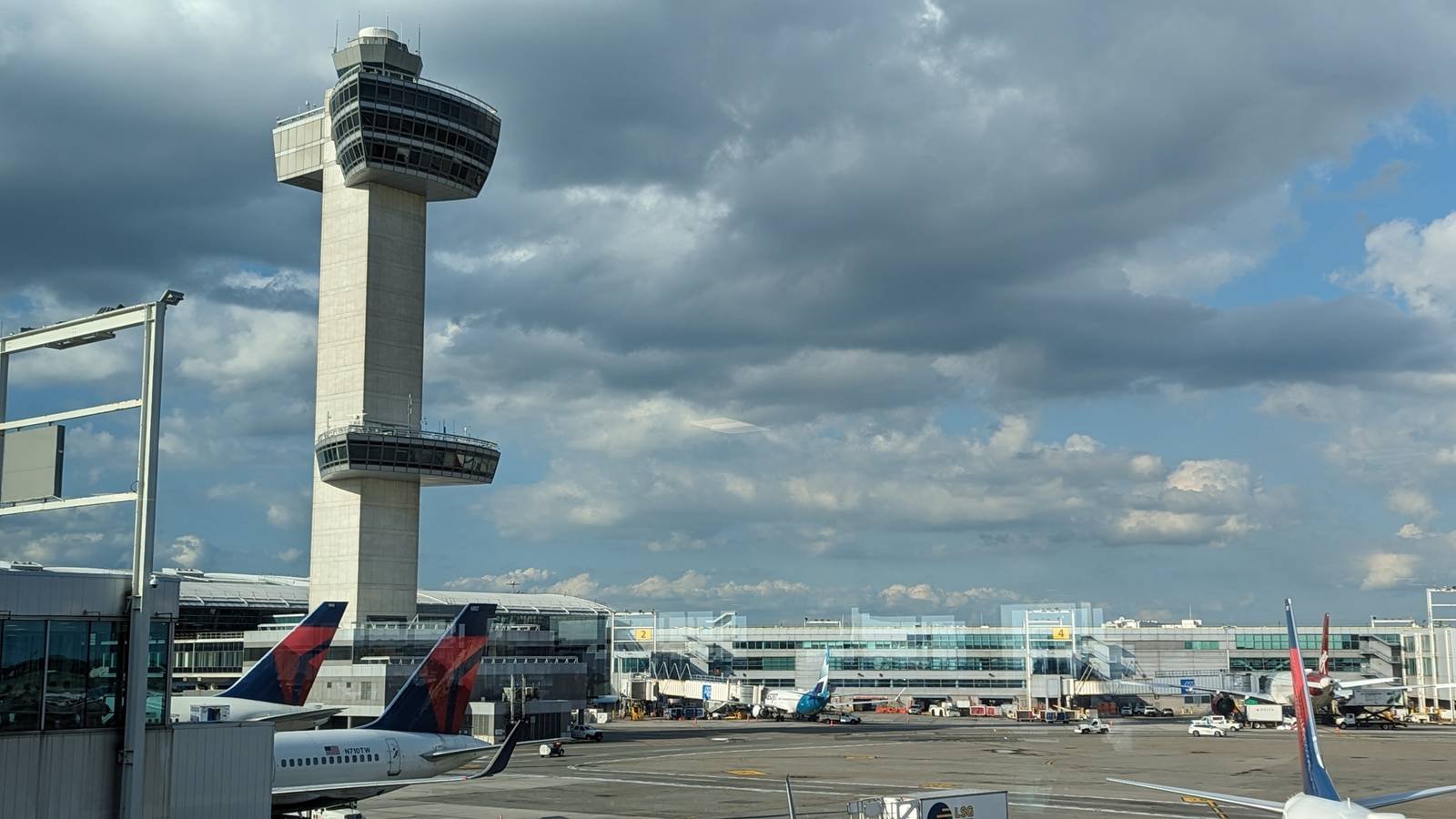
On Friday, the Federal Aviation Administration (FAA) opened its air traffic controller window, and already there have been more than 6,000 candidates in just seven hours. While it is expected that only a small percentage of applicants will fill all the mandatory requirements, it is a positive move to see that there are thousands of Americans who would like a job at one of the country’s busiest airports or air traffic control towers.
According to a report by GAO.gov, in the last few years, more than 200,000 applicants have applied to become air traffic controllers. The strict requirements set out by the FAA mean that just a small percentage make it to the FAA Academy in Oklahoma City for intense training.
7,000 Applicants In Just Seven Hours
The window for applications opened on Friday April 17, and will allow up to 8,000 applications to be submitted before the window closes. United States Transportation Secretary Sean Duffy noted at the Smafor conference that the air traffic control hiring window opened at midnight on Friday morning, and by 7:00 am EST, the agency had already received 6,000 applicants. This has ballooned to 7,000 since.
There is a strict procedure when applying to become an air traffic controller, and the steps to be taken filter out unsuitable applicants through a process of stringent aptitude tests. This year, the agency decided to do things a little differently, with the aviation industry booming and the department looking to appeal to a wider range of applicants, the new campaign looked to attract those with high cognitive functions and spatial awareness.
There is no need for applicants to hold previous college degrees, instead looking at how they can adapt quickly on their feet, manage evolving and complex situations, and remain focused at all times. This focus leads to those who are gamers, and being strategically and problem-solving minded.
Why Is The United States Still Short On Air Traffic Controllers

Air traffic controller numbers in the United States have been on a continuous decline in the last ten years, with around 6% of controllers having retired or left the profession, while there has been an increase of approximately 10% of flights being operated. Airlines and airports rely heavily on air traffic control systems, and this shortage has been exacerbated by government shutdowns, the COVID-19 Pandemic, and new trends in the workforce and overall air traffic.
The FAA continues to work hard to attract, hire, and train new controllers. The steps for applicants to pass require an aptitude test, medical clearance, and security approval. Once applicants are able to pass these requirements, they are invited to the FAA Academy in Oklahoma City for a four to six-month course, before on-the-job training. To become fully certified, the process can take around six years.
This strict hiring and training process has been curated to ensure that all candidates are capable of handling this high-pressure career. Around 2% of all applicants qualify fully and are invited to complete the training. Training is paid, and within three to six years, air traffic controllers can expect to be on six-figure salaries.

“It’s Not A Game”: FAA Targets Gamers As US Faces 3,500 Air Traffic Controller Shortfall
As the US faces a 3,500 air traffic controller shortfall, the FAA is making a bold move by targeting gamers for recruitment.
Differences In Air Traffic Control Centers

There are three components of air traffic control in the United States, as detailed in the table below. These are managed by the Federal Aviation Administration and are Air Route Traffic Control Centers (ARTCC), Terminal Radar Approach Control (TRACON), and Air Traffic Control Towers (ATCT):
Air Route Traffic Control Centers (ARTCC) |
|
|---|---|
Terminal Radar Approach Control (TRACON) |
|
Airport Traffic Control Towers (ATCT) |
|
The country’s major ARTCC centers are located in Albuquerque, Anchorage, Atlanta, Boston, Chicago, Cleveland, Denver, Fort Worth, Honolulu, Houston, Indianapolis, Jacksonville, Kansas City, Los Angeles, Memphis, Miami, Minneapolis, New York, Oakland, Salt Lake City, Seattle, and Washington D.C.
Across the three centers, their key functions are to manage en route control, sector management, handoffs (between towers to TRACON and ARTCC or vice versa), and flight information.
