


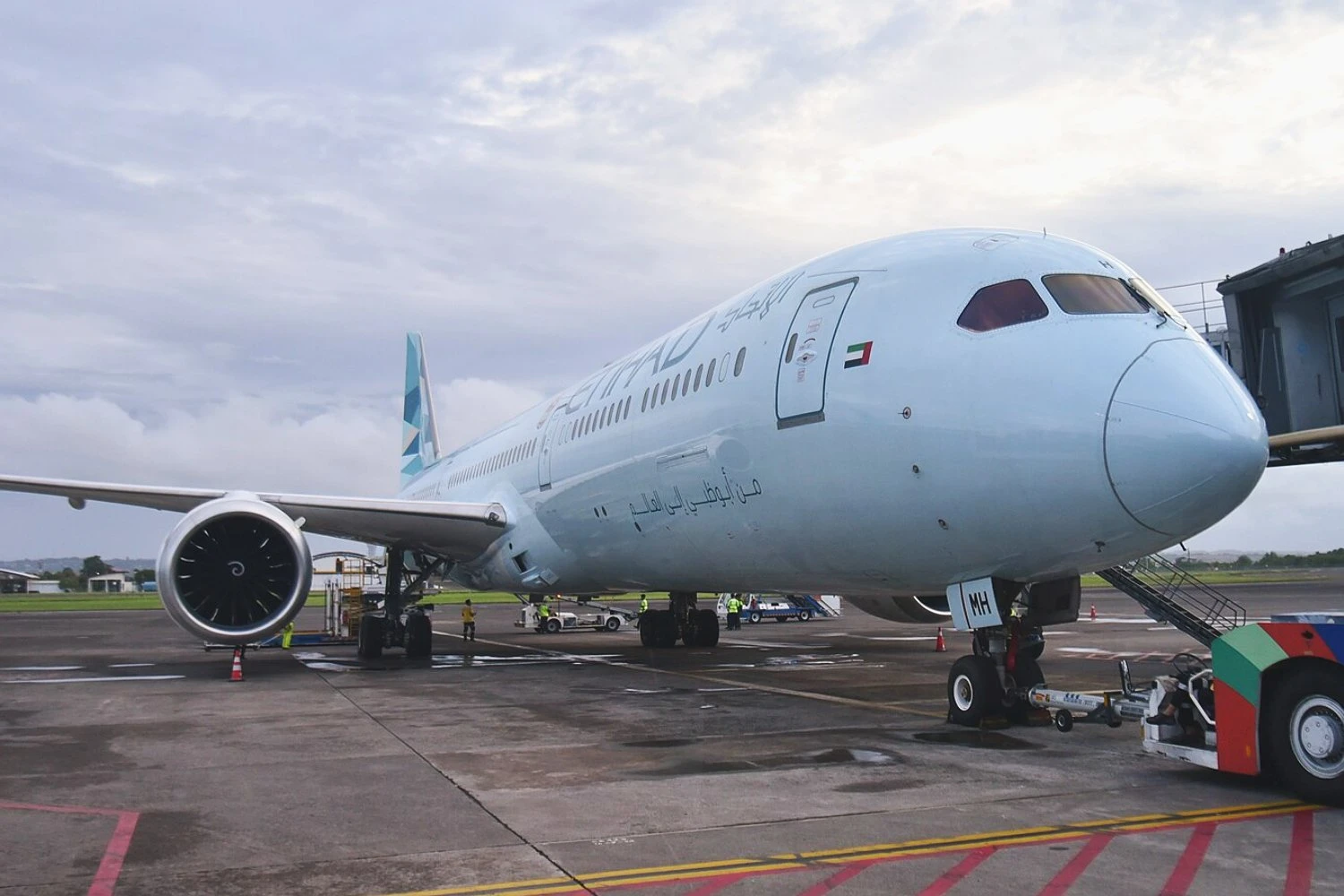
The Federal Aviation Administration (FAA) has ordered modifications to certain Boeing 787 aircraft following reports of unreliable altitude information during approaches and landings. The directive affects an estimated 169 US-registered aircraft, with operators required to replace cables connected to the radio altimeters, which measure an aircraft’s height above the ground.
Published on November 9, the airworthiness directive covers certain 787-8, 787-9 and 787-10 aircraft. The FAA said the radio altimeter system has shown an increased rate of instances in which it cannot provide valid altitude data at low heights, potentially affecting functions that depend on accurate measurements during the final stages of flight.
Unlike conventional altimeters, which calculate altitude using atmospheric pressure, radio altimeters measure the distance between an aircraft and the terrain directly beneath it. Their readings are particularly important during approaches and landings, including operations in poor visibility.
The FAA warned that unreliable information or interruptions in the system could, if left uncorrected, jeopardize the aircraft’s ability to complete a safe flight and landing. The directive does not identify an accident caused by the problem.
Follow Air Data News: WhatsApp | Instagram | LinkedIn | Twitter | Facebook
The required modification involves replacing the existing coaxial cables used to transmit and receive signals for the left and right radio altimeters with larger-gauge cables. The instruments themselves are not being replaced.
Airlines have five years to complete the work
The directive, designated AD 2026-22-09, takes effect on December 14, 2026. Operators have up to five years to complete the required modifications, allowing affected aircraft to remain in service during that period.
The FAA estimates the replacement will cost $17,805 per aircraft, including $15,170 in parts and 31 hours of labor. The total estimated cost for the 169 aircraft registered in the United States is approximately $3 million, although Boeing may cover some expenses under warranty.
The issue had already been under investigation before the final directive. Boeing issued a technical bulletin in December 2024 describing the cable replacement, and the FAA proposed making the work mandatory in February 2026.
During the public consultation, the agency received comments from airlines including Air Canada, American Airlines, EVA Air, Turkish Airlines and United Airlines. The Air Line Pilots Association and Boeing supported the proposed directive.

The FAA maintained the five-year compliance period despite concerns raised during the consultation about the time allowed to address a problem affecting equipment used close to the ground.
More than 1,300 Boeing 787s had been delivered worldwide by August 2026, but the directive does not cover every aircraft in the fleet. Its applicability is defined by specific aircraft configurations listed in Boeing’s technical bulletin. The FAA has not provided a worldwide total of affected aircraft.
Separate concerns over 5G interference
Radio altimeters have also been the subject of another aviation safety issue involving interference from fifth-generation mobile telephone networks, particularly signals operating in frequency bands near those used by the aircraft instruments.
That concern led the FAA to impose operational restrictions and equipment requirements after the introduction of 5G services in the United States. More recently, the agency established additional standards for radio altimeters to withstand interference, with compliance deadlines extending into the next decade.
The Boeing 787 directive addresses a different problem. It concerns the cables connecting the aircraft’s radio altimeters rather than interference from external radio signals, and the FAA has not linked the reported data failures to 5G networks.
The two regulatory measures therefore require different corrective actions, despite involving equipment that performs the same essential function during landing.
