


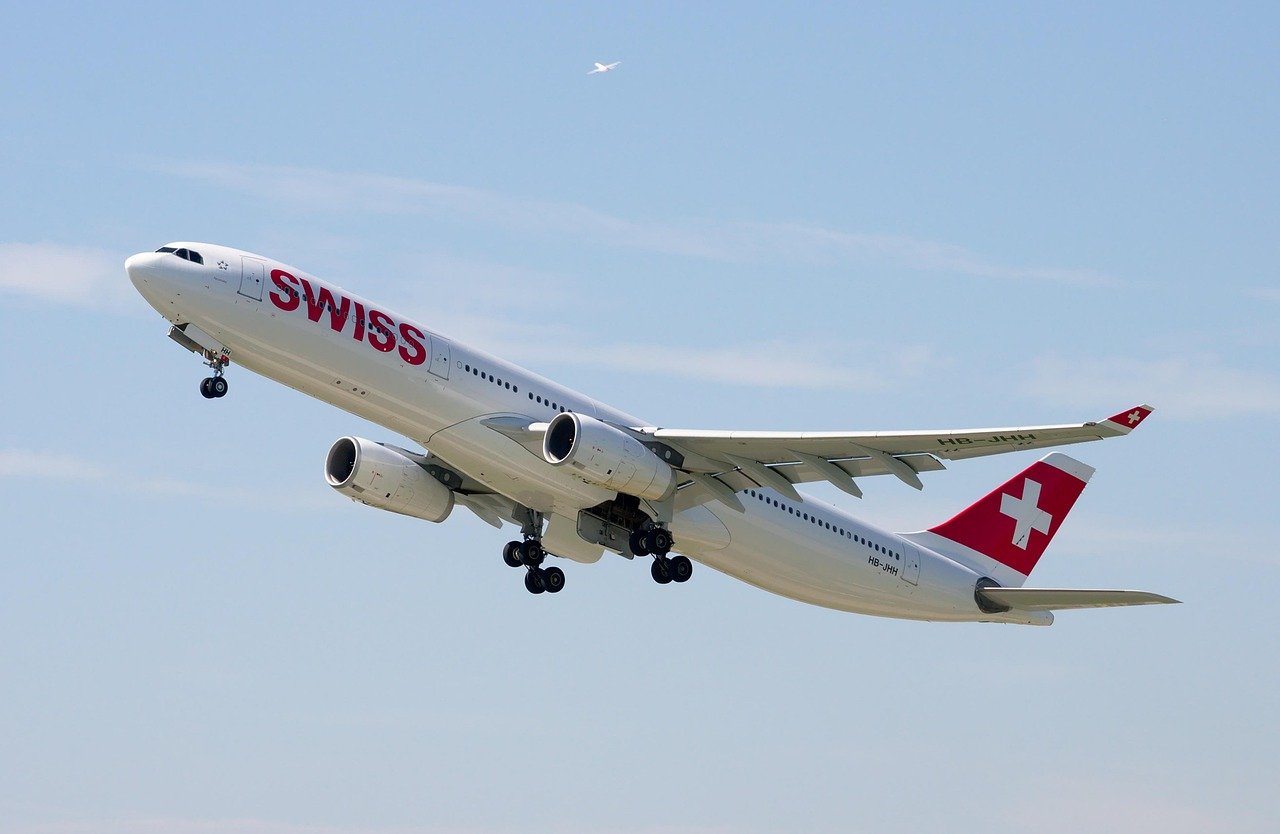
French cargo airline FTL Airlines has added a converted Airbus A330-300 freighter to its fleet, giving the young carrier more main-deck capacity for flights between Europe and Asia. The leased aircraft flew its first commercial service from Paris to Hanoi on 20 November 2026.
Key facts
- The aircraft is an A330-300P2F (passenger-to-freighter conversion), serial number MSN713, able to carry up to 62 tonnes of cargo.
- It is FTL’s second freighter and its first full main-deck cargo aircraft.
- The jet is owned by JPA No399/400/401, a special purpose company managed by JP Lease Products & Services.
- FTL plans to use it for scheduled programmes, charters and time-critical shipments.
- The airline intends to add more A330s and set up an A321 cargo division in 2027.
Background
FTL Airlines was established in March 2022 and received its French air operator certificate in July 2023. Its first aircraft, delivered that year, is a leased A330-200 (MSN871) fitted with a flexible E-Class configuration, which keeps the passenger cabin layout but allows cargo to be loaded quickly in high volumes.
The new A330-300P2F works differently. As a full conversion, it carries freight on both the main deck and the lower hold, which is why the airline describes it as a two-deck freighter. Chief executive Antoine Ferretti said the carrier welcomes “this full freighter aircraft, which can carry 62 tonnes of freight”, and confirmed the Paris–Hanoi launch.
The A330P2F programme, developed by Airbus with ST Engineering and Elbe Flugzeugwerke, has become a popular route for operators wanting widebody freighters without the cost of new-build aircraft. The larger -300 variant offers more volume than the -200, making it well suited to e-commerce and general cargo where space runs out before weight.
For FTL, the step up from a single E-Class aircraft to a mixed fleet is significant. Operating a full freighter allows the airline to accept bulkier pallets and containers on the main deck, compete for longer-term block-space contracts with forwarders and plan regular rotations rather than relying mainly on ad hoc charters.
What it means for the industry
Europe–Asia air cargo remains one of the most competitive lanes in the market, with capacity shifting in response to ocean shipping disruption, e-commerce flows and fuel prices. A small operator like FTL can win business by offering flexible charter and ACMI-style capacity to forwarders and larger airlines that need extra lift at short notice.
The timing also matters. Several established European ACMI groups are shrinking their freighter fleets, which may open space for nimble newcomers. Forwarders continue to invest in hub infrastructure to absorb that capacity, as shown by Kuehne+Nagel’s slot booking at its Frankfurt pharma hub and Lufthansa Cargo’s decision to bring Frankfurt handling back in-house.
FTL’s plan to build an A321 cargo division points to the other growth segment: narrowbody freighters for regional express and e-commerce networks inside Europe. Whether that market can support another entrant will depend on demand in 2027 and on lease rates for converted A321s.
FAQ
What is an A330-300P2F?
It is a former passenger A330-300 converted into a dedicated freighter, with a large main-deck cargo door and a reinforced floor, carrying cargo on two decks.
Where does FTL Airlines fly the new freighter?
Its first commercial flight linked Paris and Hanoi. The aircraft will support Europe–Asia scheduled programmes as well as charters.
How big is FTL’s fleet?
FTL now operates two A330s: an A330-200 in E-Class configuration and the new A330-300P2F. It plans further A330s and an A321 freighter unit in 2027.
Sources
Original reporting: Air Cargo News
Programme background: Airbus – A330-300P2F programme. Delivery details rely on Air Cargo News; FTL’s own website could not be accessed at the time of writing.
