


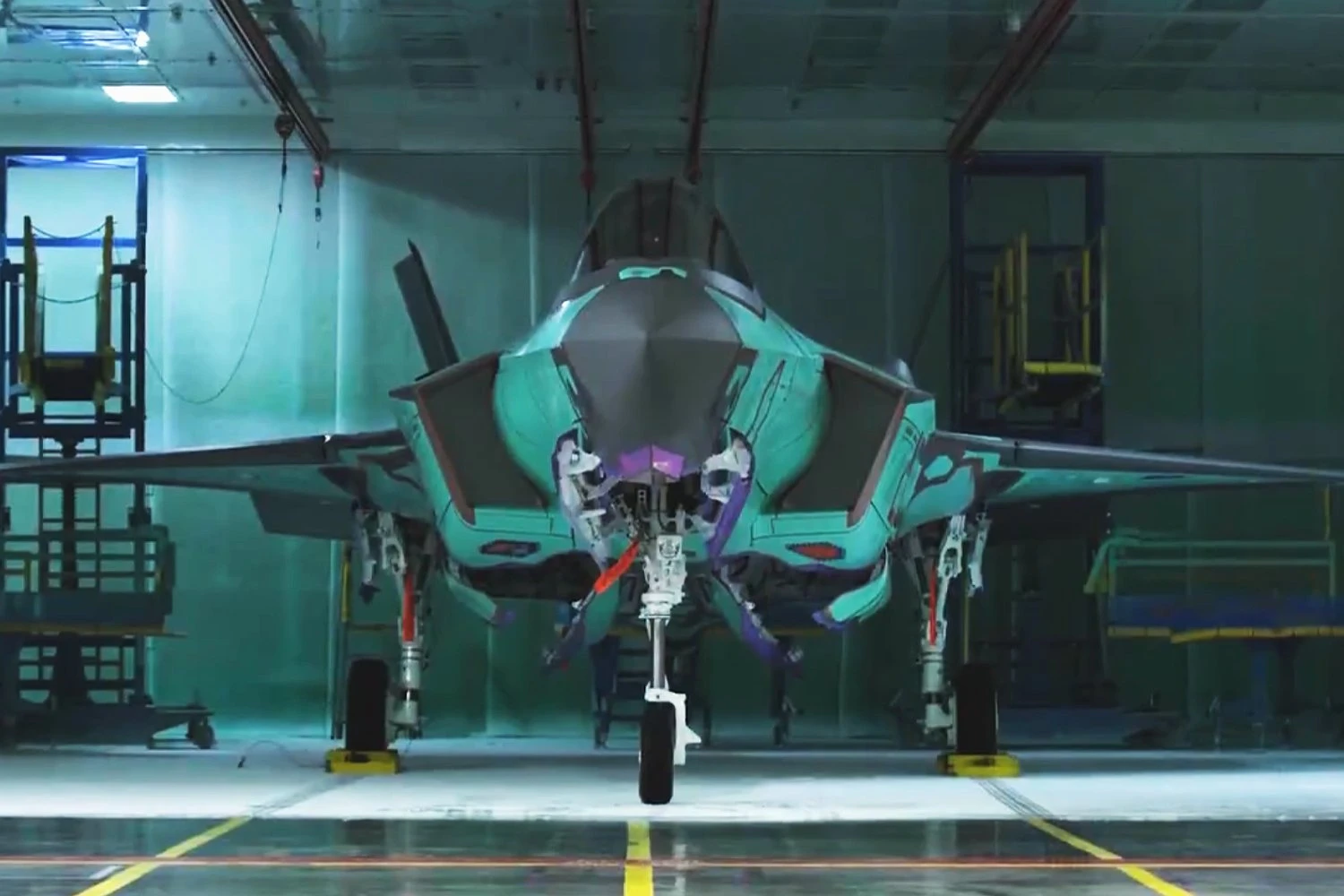
Germany’s first Lockheed Martin F-35A has completed final assembly in the United States, bringing the aircraft closer to its first flight and the start of a new era for the German Air Force (Luftwaffe).
The aircraft, designated MG-01, has moved to the Aircraft Final Finishes stage at Lockheed Martin’s Fort Worth plant in Texas. It will now receive its external finish and low-observable coatings before proceeding through ground tests and eventually taking to the air.
Follow Air Data News: WhatsApp | Instagram | LinkedIn | Twitter | Facebook
Lockheed Martin disclosed the latest progress through its European social media channels, accompanied by footage of the aircraft leaving the assembly area. An official rollout ceremony is scheduled for September 18.
MG-01 entered final assembly earlier this year, when the major fuselage sections were joined at Fort Worth. Its Pratt & Whitney F135 engine was subsequently installed as work progressed on systems, flight-control surfaces and other components.
The aircraft is the first of 35 F-35As ordered by Germany in 2022 as part of the country’s effort to replace its aging Panavia Tornado fleet. The acquisition has particular importance because the F-35 will assume Germany’s role in NATO’s nuclear-sharing mission, for which some Tornados are currently assigned.
Eight German F-35As are already progressing through Lockheed Martin’s production system.
Training before arrival in Germany
The first aircraft will not initially be based in Germany. The initial batch will support German pilot and maintenance training at Ebbing Air National Guard Base in Fort Smith, Arkansas, United States.
The first F-35A is expected to arrive at Büchel Air Base in Germany in the third quarter of 2027. The base is undergoing infrastructure work to accommodate the new fighter.
Deliveries of the 35 aircraft are scheduled to continue through 2029, with Germany targeting initial operational capability that year and full operational capability in 2030.
The F-35 will operate alongside Germany’s Eurofighter fleet rather than replace it. Berlin is also acquiring additional Eurofighters, leaving the two types to form the core of the German combat-air fleet after the Tornado is retired.
F-35 gains importance after FCAS collapse
The arrival of the F-35 comes as Germany faces a substantially different long-term fighter landscape from the one envisaged when it ordered the US aircraft four years ago.
At the time, the F-35 was expected to provide a relatively rapid solution for the Tornado replacement while Germany and France pursued the much more ambitious Future Combat Air System, or FCAS, for the following generation.
That program has since effectively collapsed after years of disagreements between France and Germany, particularly over industrial leadership and the development of its crewed Next Generation Fighter.
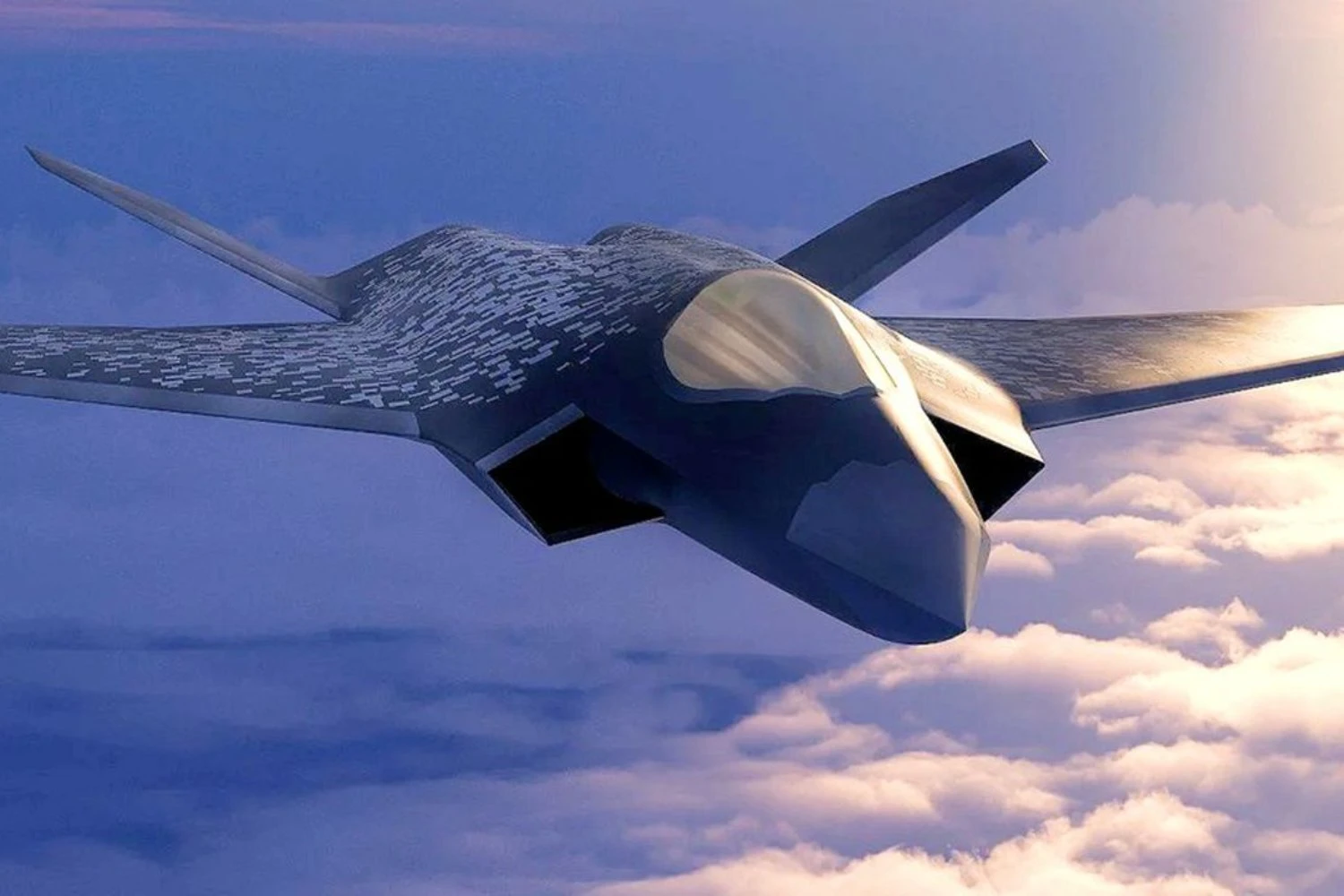
The end of FCAS leaves Germany without the future Franco-German fighter that was once expected to succeed the Eurofighter from around 2040. Berlin is consequently reassessing its longer-term combat-air options as other European programs, particularly the UK-led Global Combat Air Programme, continue development.
For now, Germany’s immediate transition is considerably more tangible. MG-01 has gone from major structural assembly to an almost complete fighter in a matter of months, with its September rollout set to provide the first public view of a finished German F-35A.
