


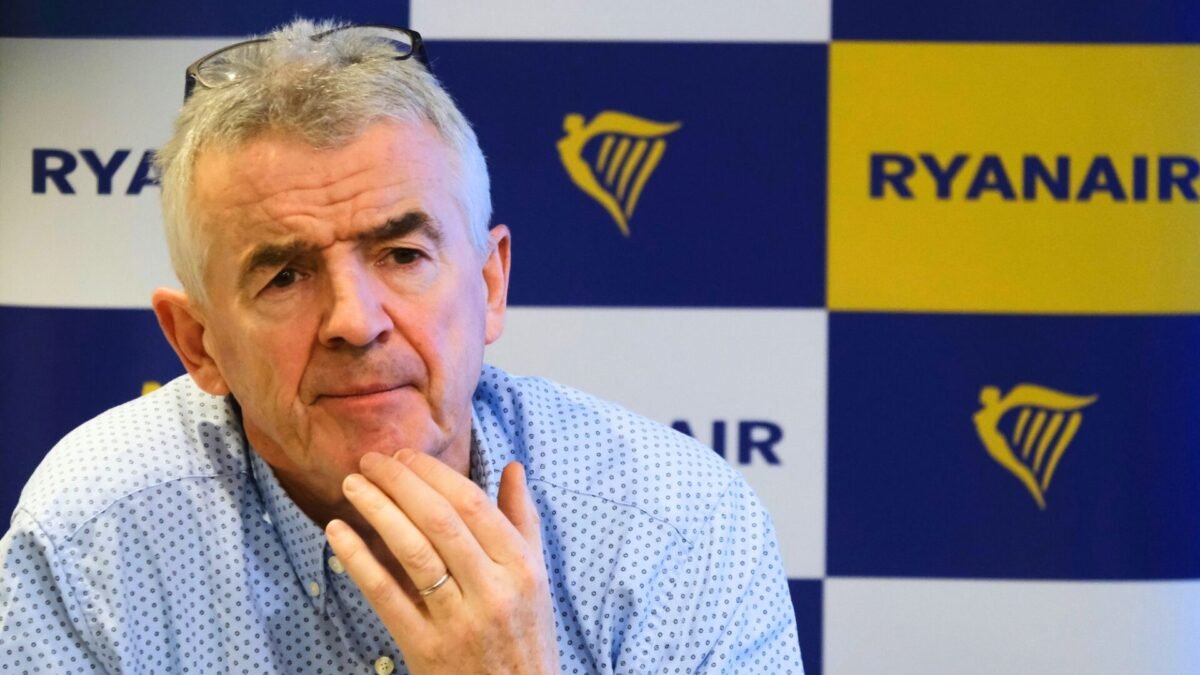
European air travelers should brace for higher fares well into 2028 due to high jet fuel costs as a result of the Iran war, warned Ryanair Group CEO Michael O’Leary on October 8, 2026, as reported by Reuters.
Speaking at an Airlines for Europe (A4E) press conference in Brussels, O’Leary said jet fuel now costs about 50% more than before the conflict began, adding that he expects prices to stay near that level for the next 12 to 18 months. According to Reuters, this is the first time an airline executive has publicly suggested the impact could extend into 2028.
The fuel spike has squeezed airline margins throughout 2026, even though many carriers had hedged against price swings. O’Leary said the pressure will grow next year because many airlines have much less of their 2027 fuel needs hedged.
“We are all facing an enormous cost challenge next year,” he told reporters.
Supply holding, prices climbing
Analysts have warned of a possible jet fuel shortage in Europe into the fourth quarter, but O’Leary played down those fears. He said he saw no risk to supply this winter or into next summer, and that the problem was price, not availability.
He was direct about who will bear the cost, stating that airlines cannot survive without passing the higher fuel bills on to passengers.He described the situation as a “full-blown crisis.”
O’Leary has previously said fares could rise by as much as 20% next summer.
Reuters also noted that many airlines at the conference have already started raising ticket prices to cover fuel costs. Other executives at the event included the chief executives of Air France-KLM, Lufthansa, easyJet, Aer Lingus and British Airways parent IAG.
Cockpit safety in focus
Airline leaders also discussed the recent attack on a flydubai flight, in which the co-pilot stabbed the captain in what investigators suspect was an attempt to crash the aircraft.
According to the Reuters report, the co-pilot told UAE interrogators he had planned the attack before joining the Dubai state-owned carrier.
Lufthansa CEO Carsten Spohr said no airline can rule out every incident. He added that industry safety standards remain very high and that pilot mental health screening is already robust.
The executives noted that the last comparable case was the 2015 Germanwings disaster. On March 24, 2026 of that year, co-pilot Andreas Lubitz locked the captain out of the cockpit and deliberately flew an Airbus A320 into the French Alps, killing all 150 people on board.
