


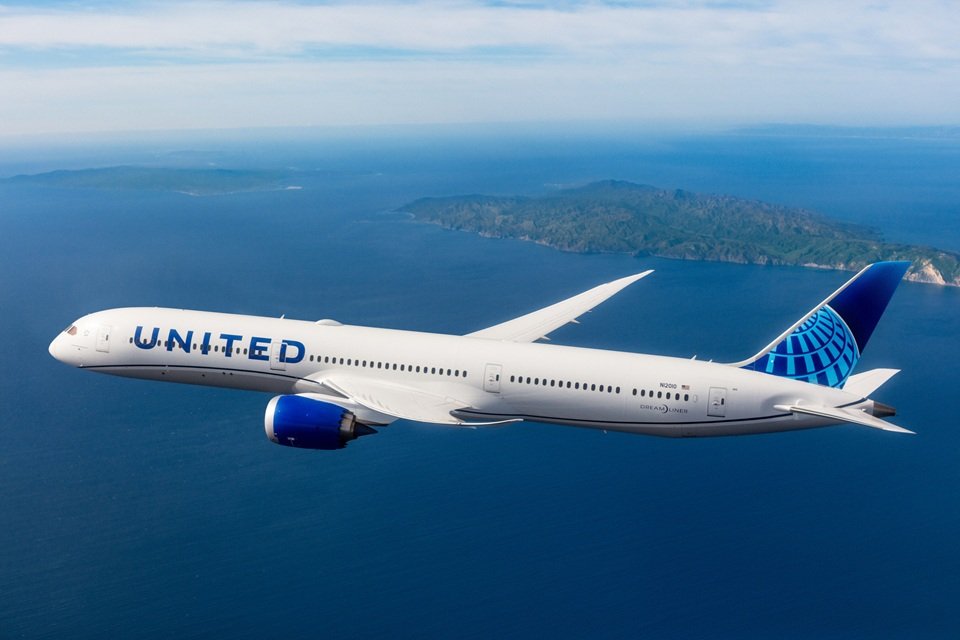
United’s cargo revenue was up 22.6% year on year in the second quarter of 2026 due to increased yields.
Cargo revenue at the US airline was $527m in the second quarter of 2026, compared to $430m in the second quarter of 2025.
During the airline’s second quarter 2026 earnings call, Scott Kirby, chief executive of United, said most of the improvement in cargo revenue came from higher yields rather than increased shipment volumes.
Kirby commented: “Cargo had a really strong quarter. Most of the gains in cargo were yield related, not volume related, and I expect that to continue into Q3 as well.”
In the first quarter of the year, when carriers faced the start of the Middle East conflict and rising jet fuel prices, air cargo revenue had dropped 1.6% for United.
Kirby did not elaborate on cargo shipment price increases in the call, but the airline indicated that although jet fuel prices have been a cost pressure, revenues, including cargo, were healthy in the quarter.
On 18 April, United announced it would implement a “Market Disruption Fee” on freight shipments for airway bills (AWB) issued on or after 1 May. The fee is applicable based on the chargeable weight of the shipment.
The airline said at the time: “The Market Disruption Fee reflects United Cargo’s increased cost of doing business globally. United Cargo faces the challenge of rising costs imposed on us by our suppliers, partners, and by the market.”
Despite volumes not being United’s main air cargo revenue driver, the airline transported nearly 347m pounds of cargo in the second quarter – the most for a second quarter since 2020, and 20m more pounds than in the same quarter last year.
This included more than 9m pounds of medical shipments and 232,000 pounds of military shipments.
Delta Airlines’ cargo revenue increased 39% in its second quarter, which the airline attributed to volume growth as it seeks expansion in Asia and the Middle East.
