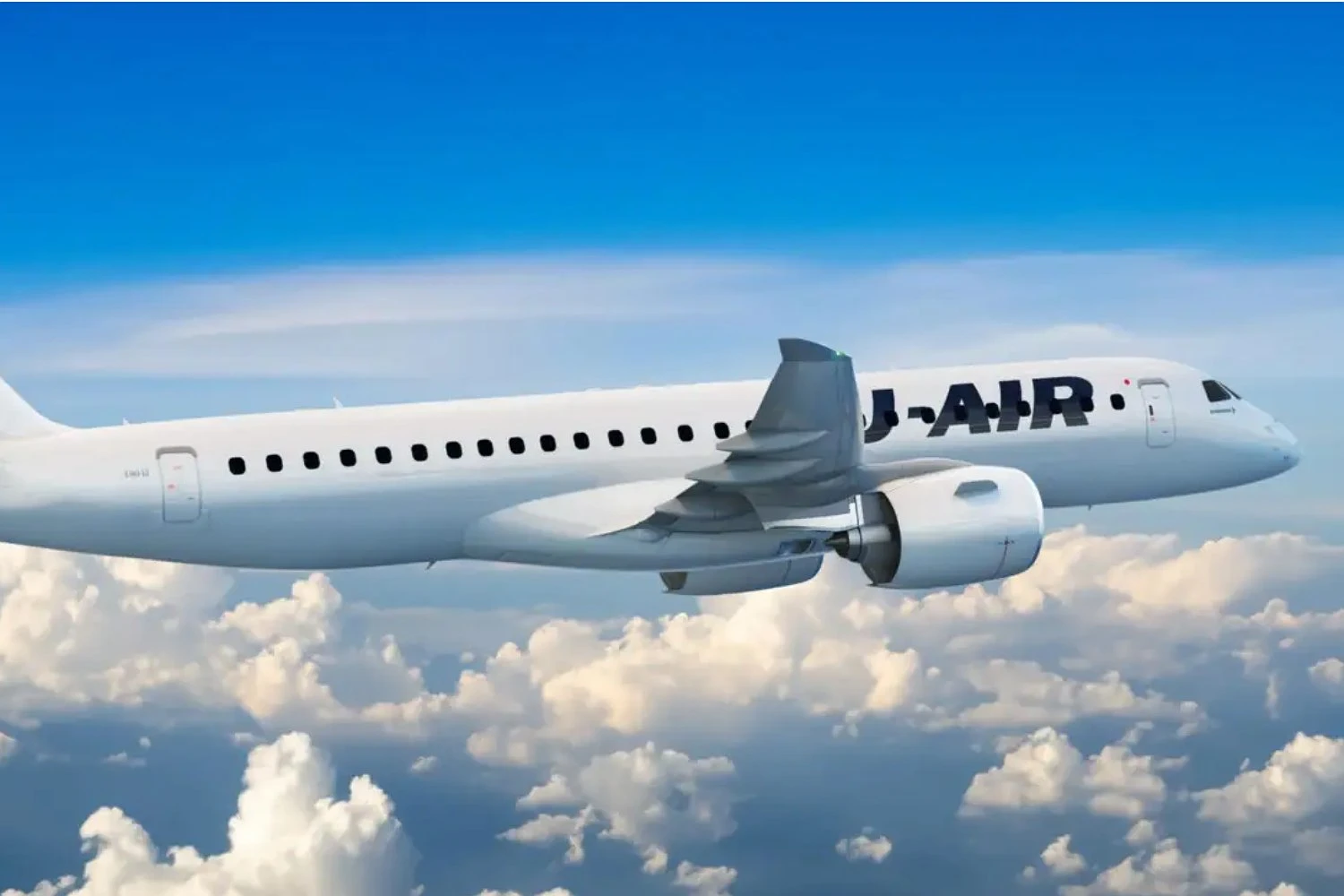
Japan Airlines (JAL) has selected the Embraer E190-E2 regional jet to renew the fleet of subsidiary J-Air, ordering 16 aircraft with options for another 10. Deliveries are scheduled to begin in fiscal 2029.
The decision announced on Wednesday follows rival All Nippon Airways (ANA), which selected the same aircraft in 2025 for its domestic network. It also maintains J-Air’s long relationship with Embraer as the airline prepares to replace its current E170 and first-generation E190 jets.
J-Air operates 32 Embraer aircraft, comprising 18 E170s and 14 E190s. The Osaka Itami-based carrier uses the jets primarily on domestic regional services within the JAL Group network.
The E190-E2 is the larger of the two aircraft currently offered in Embraer’s E2 family. JAL has not yet disclosed the seating configuration planned for its aircraft or a detailed retirement schedule for the existing E-Jets.
E2 prevailed in regional fleet evaluation
JAL’s decision comes after months of evaluating replacements for its regional fleet. Bloomberg reported in September that the E190-E2 had emerged as the leading candidate, ahead of the Airbus A220.
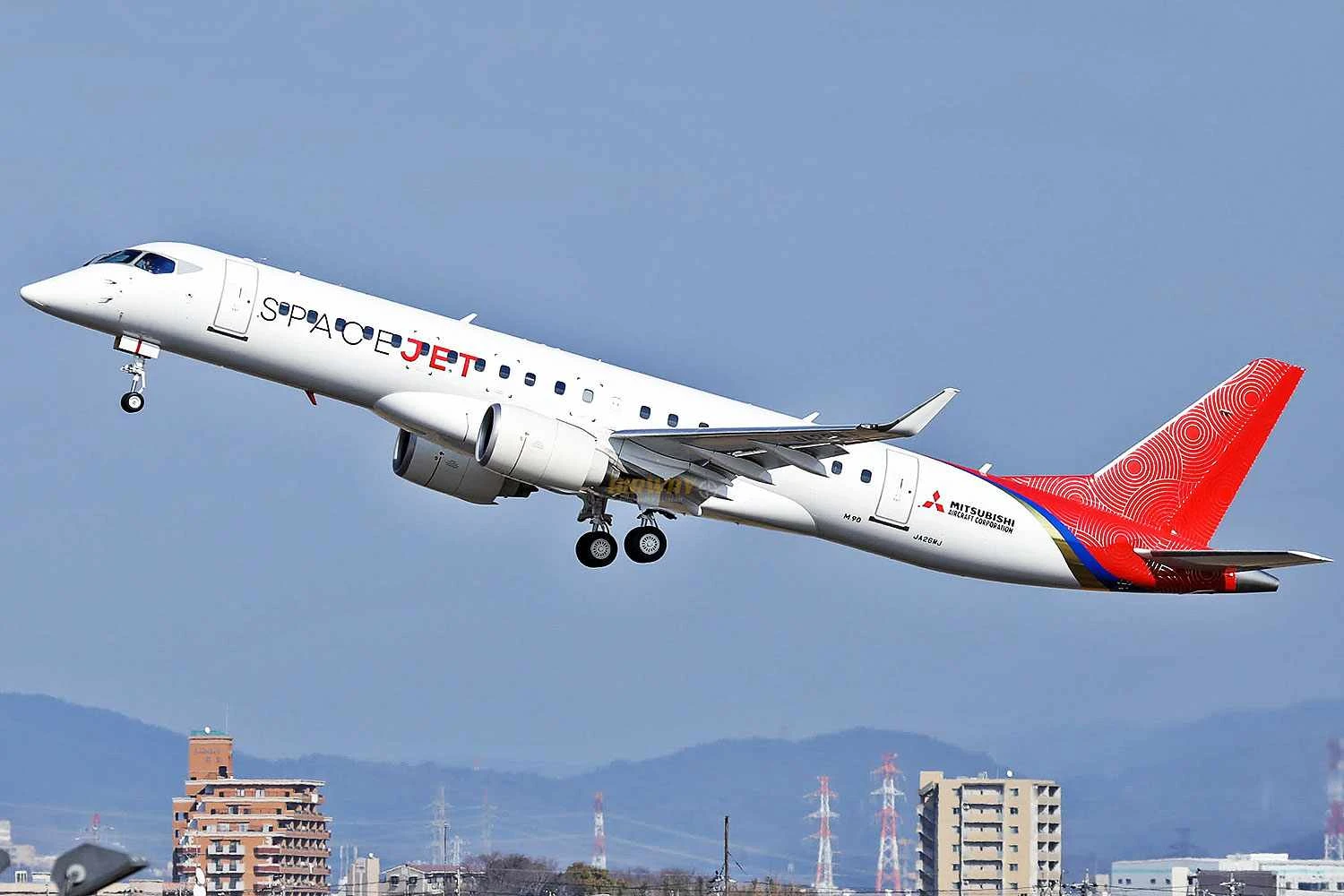
The Japanese group had previously planned to introduce another locally developed regional aircraft. JAL signed an agreement for 32 Mitsubishi Regional Jets, later renamed SpaceJet, in 2015, but none were delivered before Mitsubishi Heavy Industries ended the program in 2023.
The selection gives Embraer E190-E2 orders from both of Japan’s largest airline groups. ANA Holdings placed a firm order for 15 E190-E2s in February 2025, with options for five more, becoming the first Japanese customer for the second-generation E-Jet.
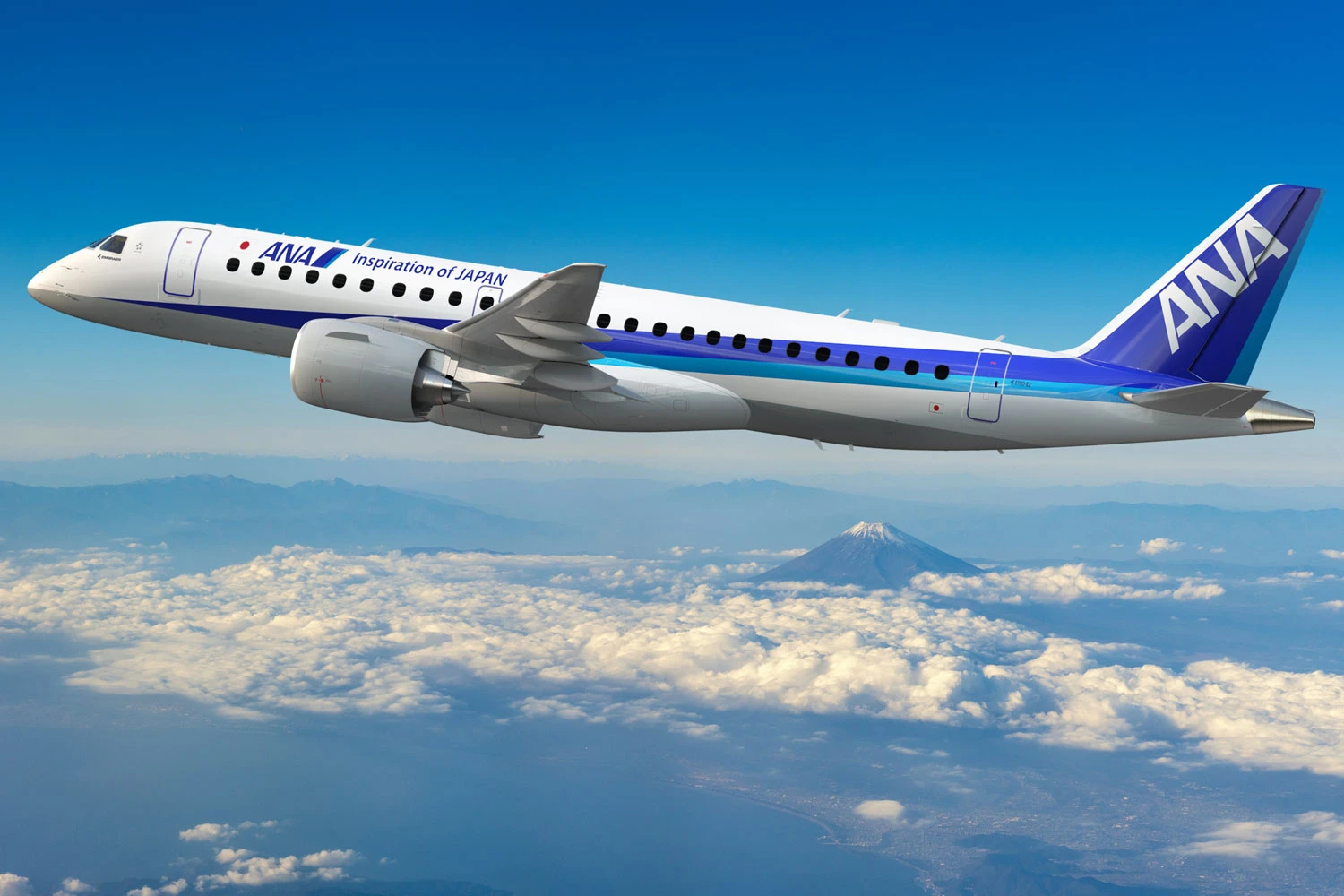
ANA plans to introduce the aircraft from fiscal 2028, one year before JAL’s first scheduled deliveries.
J-Air has operated Embraer aircraft since 2009, when it introduced the E170. The larger E190 joined its fleet in 2016.
JAL recently extended its component support agreement with Embraer for the E170 and E190 fleet. The new E190-E2 order now establishes a successor for those aircraft as the carrier begins the next phase of its regional fleet renewal.