


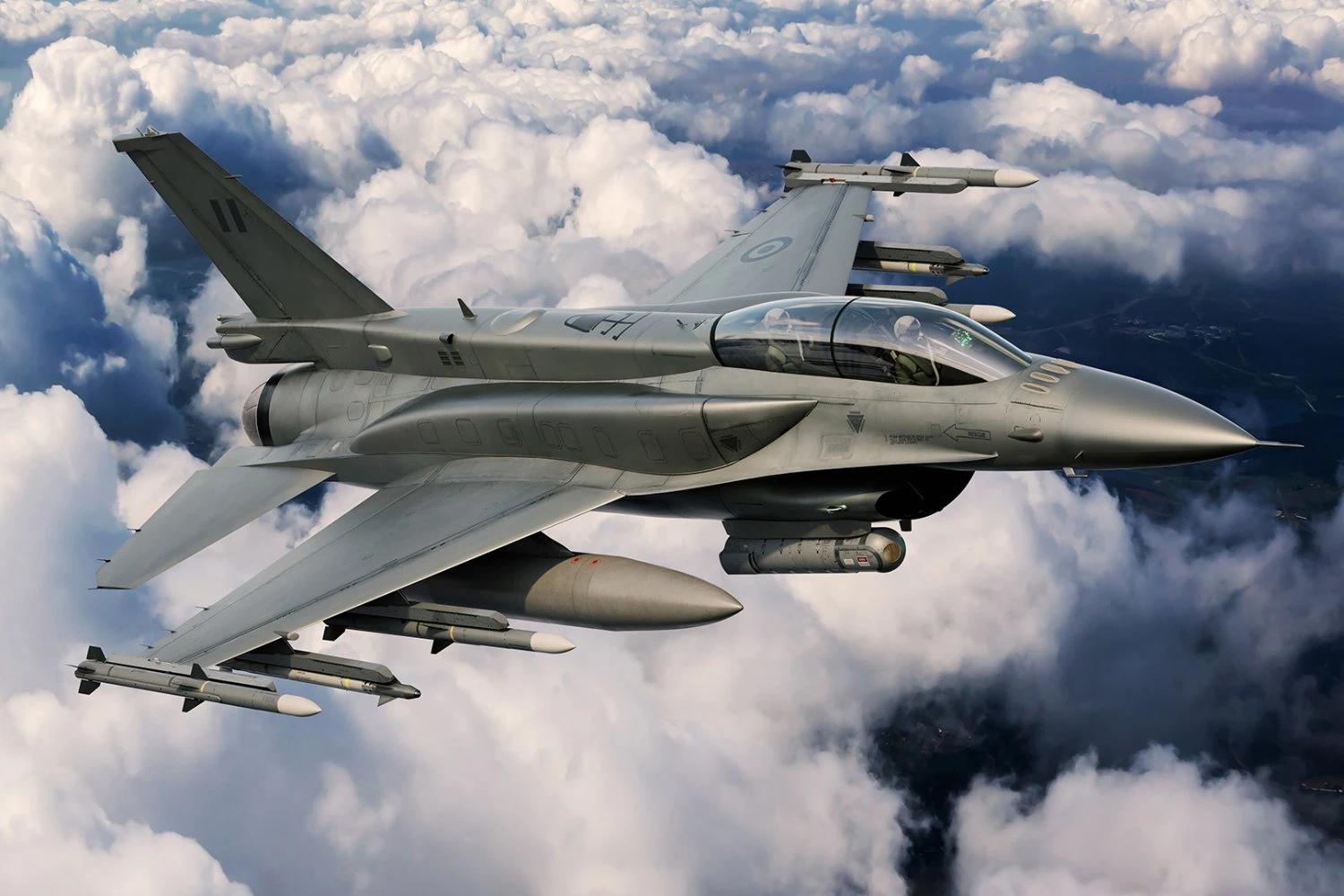
Peru has selected the L3Harris Viper Shield electronic warfare suite for its future F-16 Block 70 fighters, adding another component to a modernization program that will eventually end decades of reliance on Soviet-designed combat aircraft.
L3Harris announced the decision on August 18, four months after the Peruvian government selected 12 new F-16 Block 70s. The aircraft will replace at least part of a fighter force currently centered on increasingly difficult-to-maintain MiG-29s and Mirage 2000s.
Follow Air Data News: WhatsApp | Instagram | LinkedIn | Twitter | Facebook
Viper Shield, formally designated AN/ALQ-254(V)1, was developed by US company L3Harris in cooperation with Lockheed Martin and the US Air Force specifically for modern F-16s. It combines electronic support and countermeasure functions intended to detect radar threats and interfere with systems attempting to track or engage the aircraft.
Peru becomes the eighth country to select Viper Shield. L3Harris says it is preparing for full-rate production of 233 systems, with the equipment integrated internally on new Block 70/72 aircraft and also available in configurations for older F-16s.
Long road to the F-16
The electronic warfare announcement is relatively straightforward, but the fighter program behind it has been considerably less so.
Peru spent years considering how to replace a heterogeneous combat fleet whose origins reflect very different periods in the country’s foreign relations.
The Peruvian Air Force still operates French-built Mirage 2000s alongside Russian-designed MiG-29 fighters and Su-25 attack aircraft. The latter two types date from a period when Lima turned toward former Soviet equipment following its 1995 border conflict with Ecuador.
Peru initially acquired 18 secondhand MiG-29s from Belarus in 1997, followed by three new aircraft purchased directly from Russia in 1998. The Belarus deal created difficulties obtaining spare parts and technical support, one reason for the subsequent agreement with Russia. Su-25 attack aircraft were also obtained from Belarusian surplus stocks during the same period.
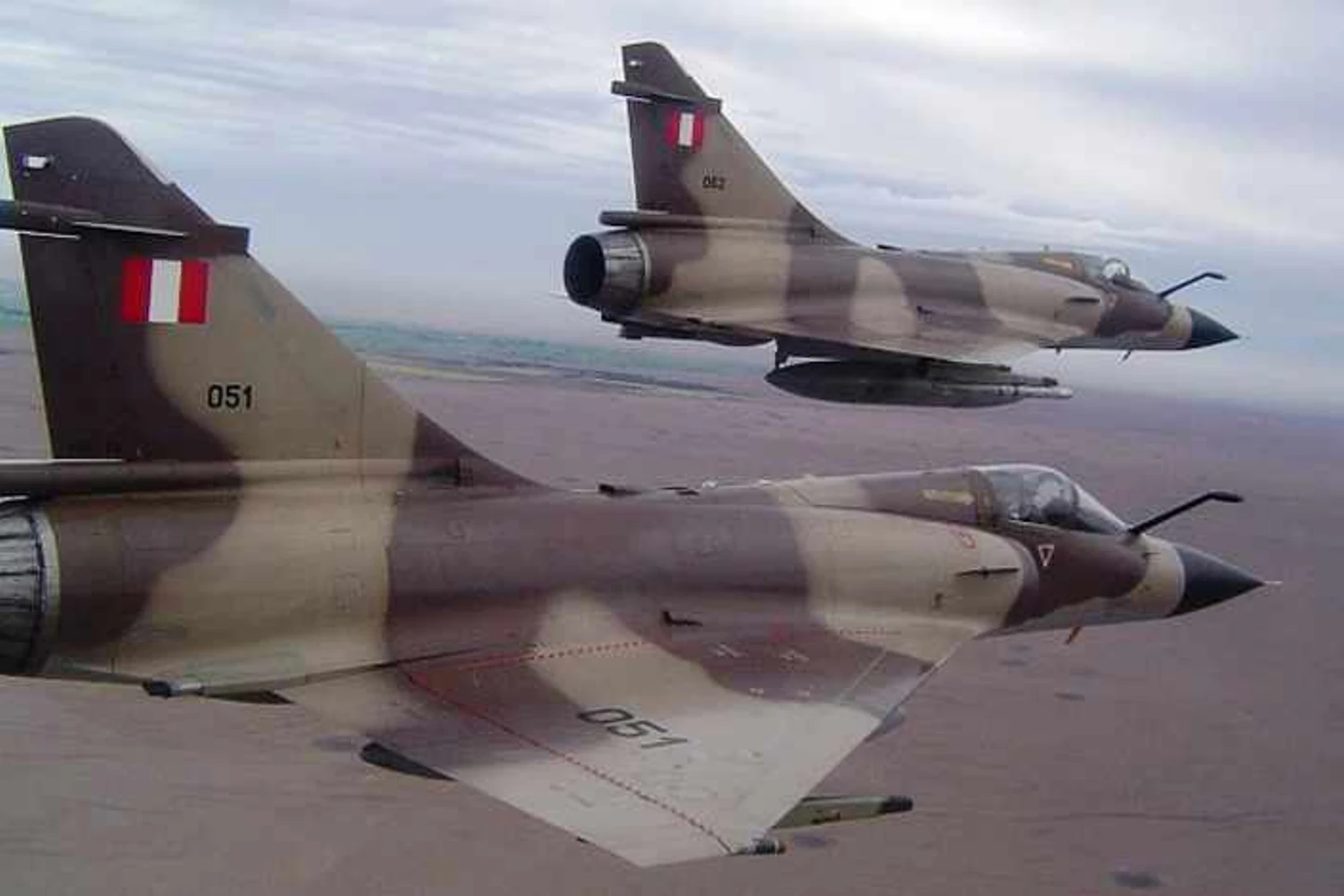
The result was an unusual combat fleet mixing French and Soviet designs, but maintaining those aircraft became increasingly problematic as they aged.
When Peru eventually moved toward a new fighter procurement, three Western aircraft emerged as the principal candidates: the Lockheed Martin F-16 Block 70, Saab Gripen E and Dassault Rafale.
The competition went through several political and budgetary turns before Lima settled on the F-16. In September 2025, the US State Department had approved a possible Foreign Military Sale covering 12 F-16 Block 70 aircraft and associated equipment for an estimated US$3.42 billion, giving Peru a framework under which to proceed with the US option.
The decision was not immediately final. Competing proposals remained under consideration and questions persisted over financing and the ultimate configuration of the acquisition. Lockheed Martin finally announced in April 2026 that Peru had selected the F-16 Block 70.
Soviet fighters give way to Western fleet
Choosing the F-16 also changes a relationship with Russian military aviation that stretches back much further than the MiG-29.
Peru became one of Latin America’s most important users of Soviet aircraft during the 1970s, notably acquiring Sukhoi Su-22 fighter-bombers and a large fleet of Soviet helicopters. The later MiG-29 and Su-25 purchases maintained that connection after the collapse of the Soviet Union, even though they were initially sourced from Belarus.
The new F-16s therefore mean more than a straightforward replacement of old fighters. Their weapons, electronic warfare equipment, training and long-term support will tie a significant part of Peru’s combat aviation infrastructure to US suppliers for decades.
The Viper Shield selection is part of that transition. Unlike equipment that could potentially be integrated later from another supplier, the system was developed alongside the latest F-16 configuration and is already being incorporated into the Block 70/72 production ecosystem.
Regional fighter renewal
Peru is also joining a broader replacement cycle that is reshaping fighter fleets across South America.
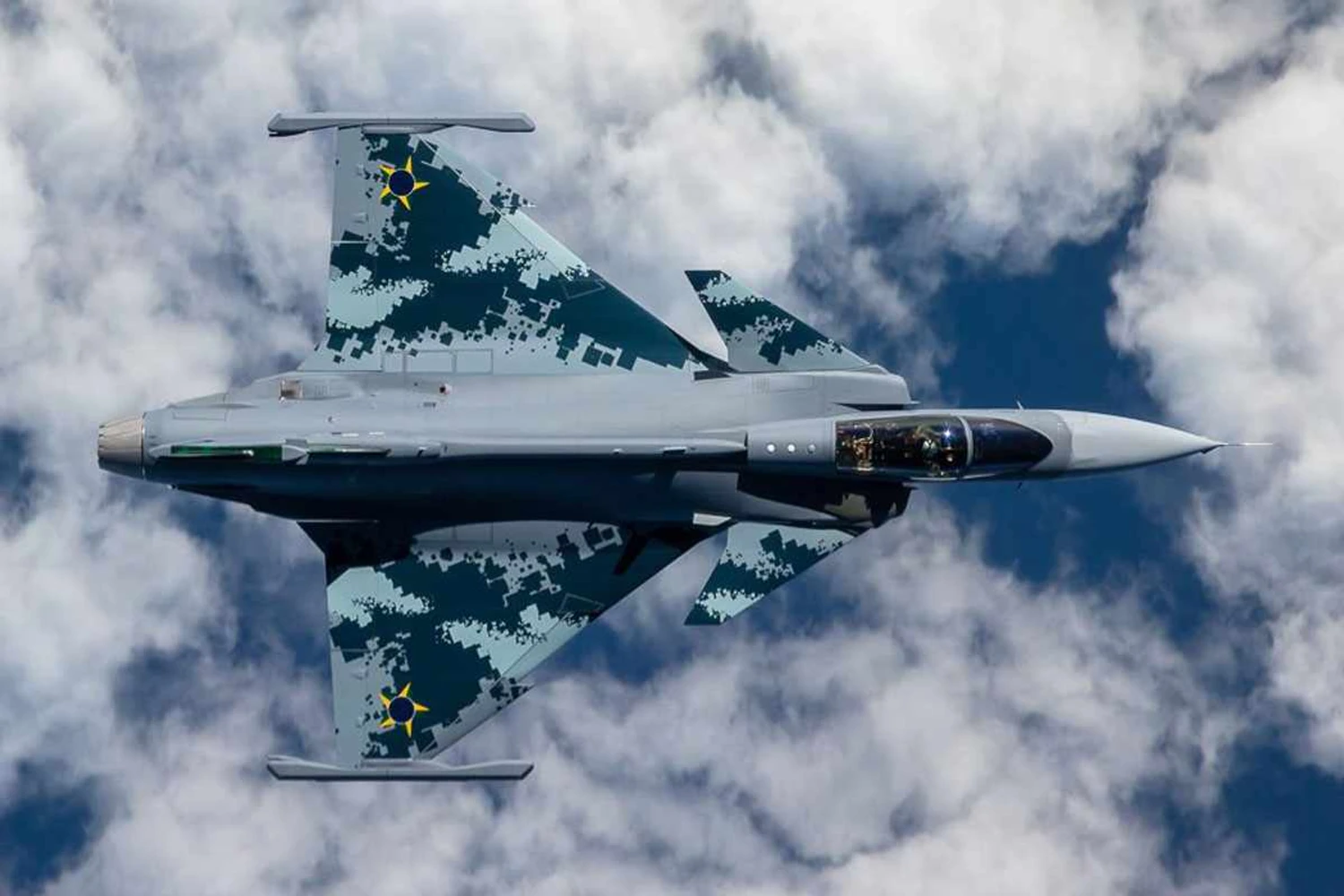
Brazil moved first among the region’s major air forces, selecting the Gripen E/F to replace its Mirage 2000 and eventually F-5 fighters. The Brazilian Air Force now operates the locally designated F-39E, while Brazil is also participating in development and production of the Gripen program. Its original contract covers 36 aircraft, including 28 single-seat Gripen Es and eight two-seat Gripen Fs.
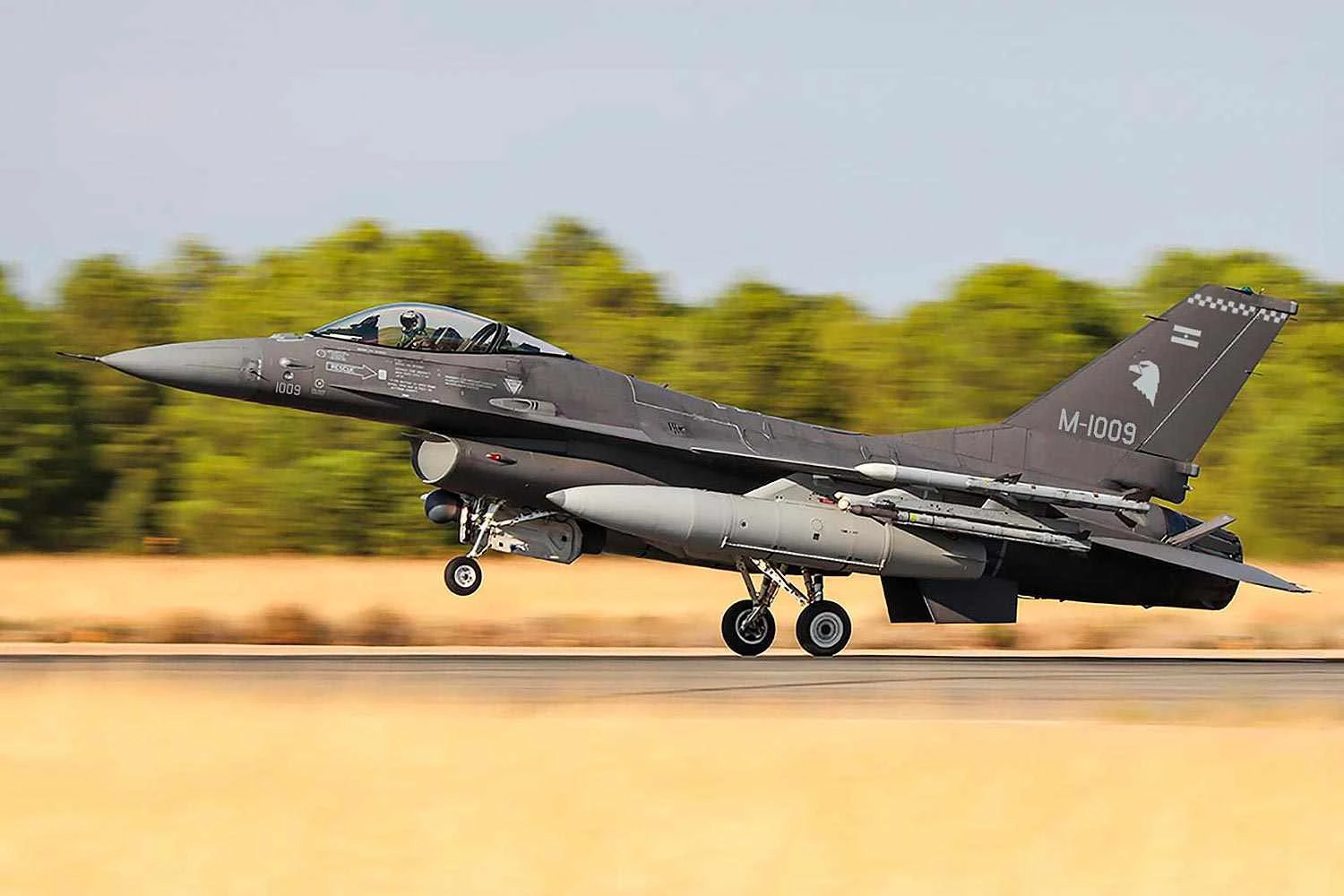
Argentina subsequently acquired secondhand F-16s from Denmark to replace the supersonic fighter capability lost after the retirement of its Mirage family, while Colombia selected the Gripen E/F to replace its aging Israeli-built Kfir fleet. Saab signed the Colombian contract in November 2025 for 15 Gripen Es and two Gripen Fs, with deliveries scheduled between 2026 and 2032.
