


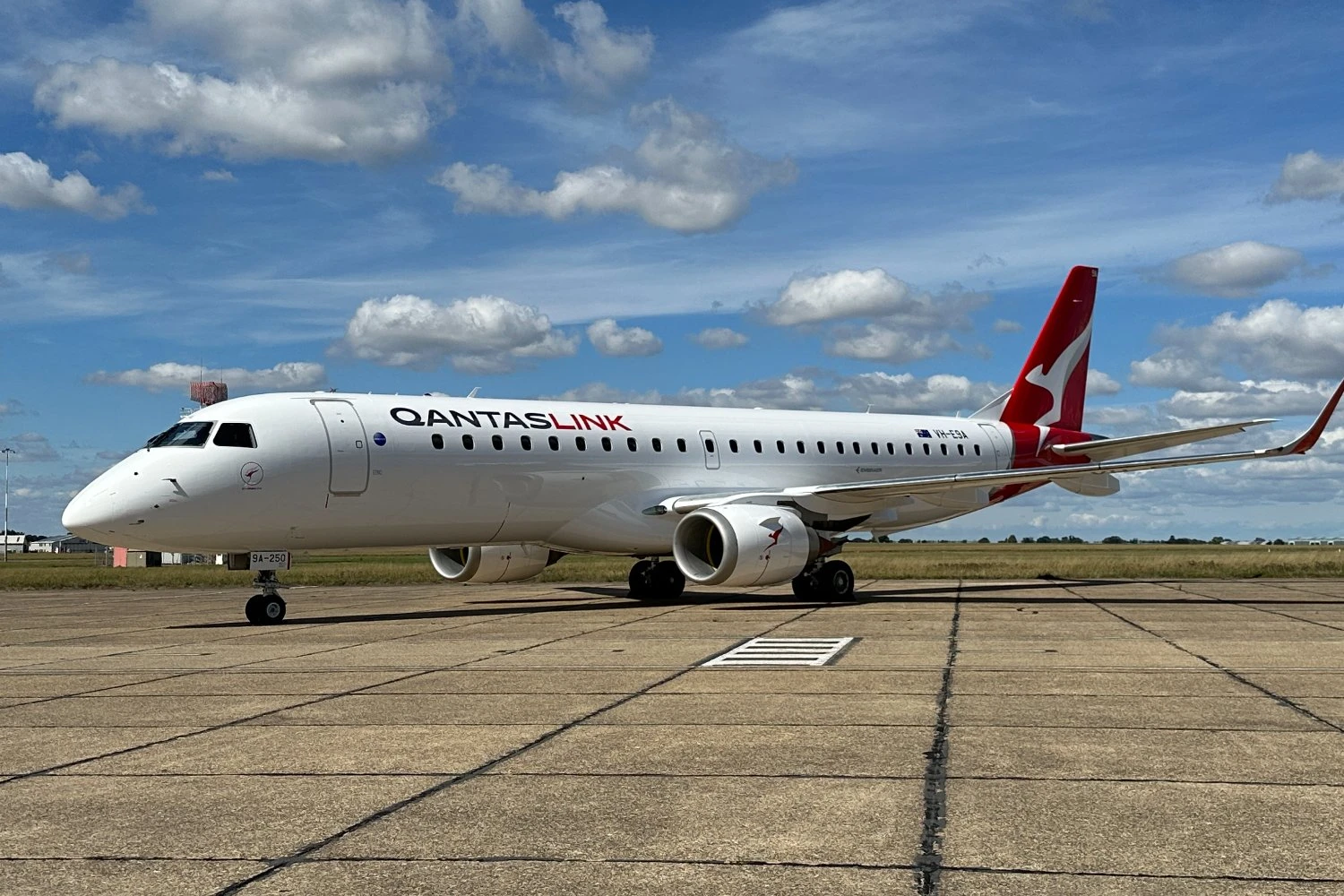
Qantas has received the first Embraer E190 for a new fleet that will replace ageing Fokker 100s in Western Australia, even though the Brazilian-built jet has been a familiar sight in QantasLink colors for more than five years.
The difference is behind the operation. The E190s currently flying for QantasLink are supplied and operated by Alliance Airlines under a wet-lease agreement. The new aircraft will be operated by Network Aviation, a wholly owned Qantas subsidiary based in Perth.
The first aircraft, VH-E9A, arrived in Perth after a ferry flight from Norwich, in the United Kingdom, with stops in Bulgaria, Tajikistan, India, Malaysia and Broome. It is expected to enter commercial service in January 2027, subject to regulatory approval.
Qantas plans to introduce up to 14 mid-life E190s to progressively replace Network Aviation’s Fokker 100 fleet. The aircraft will primarily serve resource-sector charter operations in Western Australia, carrying fly-in, fly-out workers between Perth and remote mining communities and sites.
Follow Air Data News: WhatsApp | Instagram | LinkedIn | Twitter | Facebook
The incoming aircraft will have 100 seats and will introduce Wi-Fi, USB charging and Qantas Economy Plus to these operations. Qantas also expects the E190’s greater range compared with the Fokker 100 to provide additional opportunities for the charter network.
End of an era for Fokker 100
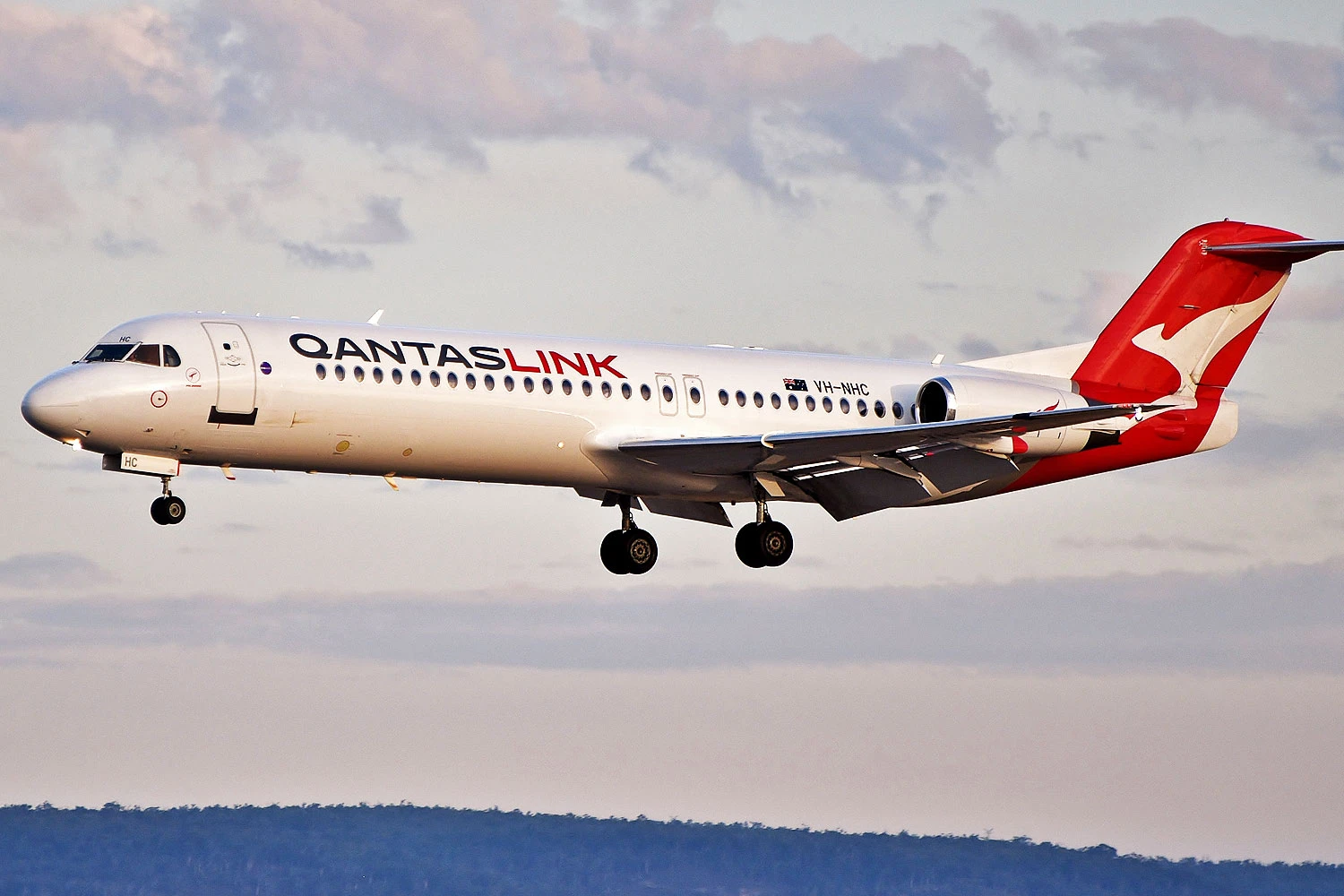
The program begins another stage in the gradual disappearance of the Fokker 100 from Australian skies. The type has remained particularly prominent in Western Australia, where its capacity and performance have made it a common choice for mining and resource-sector flights.
Network Aviation has been one of its major operators. Qantas acquired the Perth-based carrier in 2011 and subsequently expanded its role in charter and regular passenger operations in Western Australia.
The introduction of the E190 will progressively remove the older Fokkers rather than expand the fleet by the full 14 aircraft. Network Aviation also operates Airbus A319s and A320s.
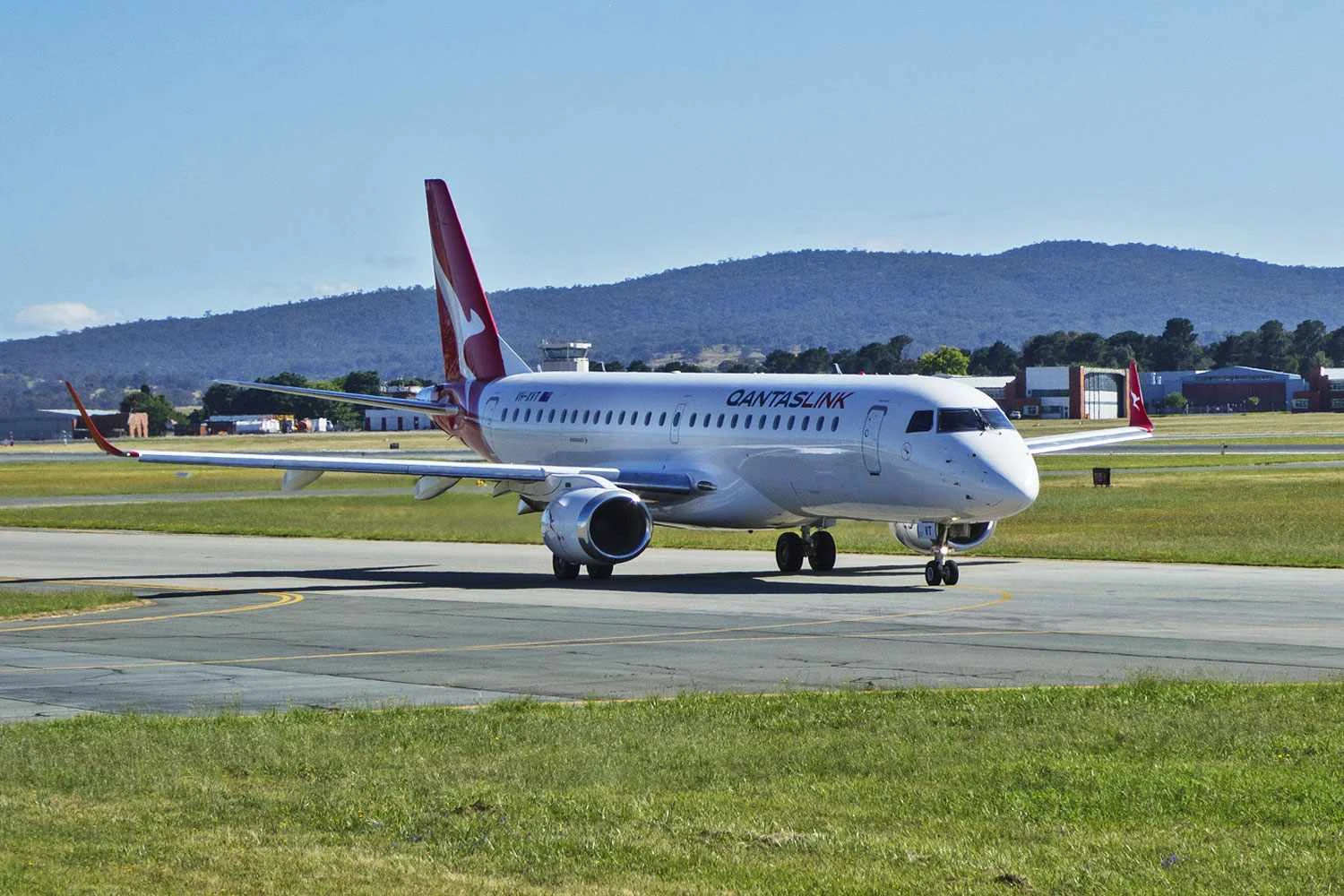
Qantas is already very familiar with the Embraer jet. Alliance began operating E190s for the group in 2021, and the arrangement eventually expanded to 30 aircraft. Those jets operate QantasLink services but remain Alliance aircraft and are flown by Alliance crews.
The distinction became more relevant after Qantas unsuccessfully attempted to acquire Alliance. The Australian Competition and Consumer Commission opposed the proposed takeover in 2023, arguing that it would substantially lessen competition in markets for air transport services to resource companies.
Instead, Qantas continued relying on Alliance through its wet-lease relationship while now developing a separate E190 fleet within Network Aviation.
Fewer Alliance E190s
The arrival of Qantas’ own E190s also comes shortly after a change to the Alliance agreement. As Air Data News reported in August, Alliance and Qantas renegotiated their wet-lease contract, which will progressively reduce the number of E190s committed to Qantas from 30 to 23 during the 2027 financial year.
The smaller commitment does not mean Qantas will simply pay less for the service. Alliance secured higher pricing effective from July 1 and a revised annual escalation mechanism after rising labor, maintenance, logistics and compliance costs had reduced the profitability of the previous arrangement.
Alliance said the revised terms should improve margins and cash generation despite the reduction in aircraft and flying hours. The seven E190s released from the Qantas commitment will become available for other charter, ACMI or fleet opportunities.
The changes mean that Qantas will simultaneously reduce the number of E190s it receives from an outside operator while introducing up to 14 examples of the same type into its own group fleet in Western Australia.
