


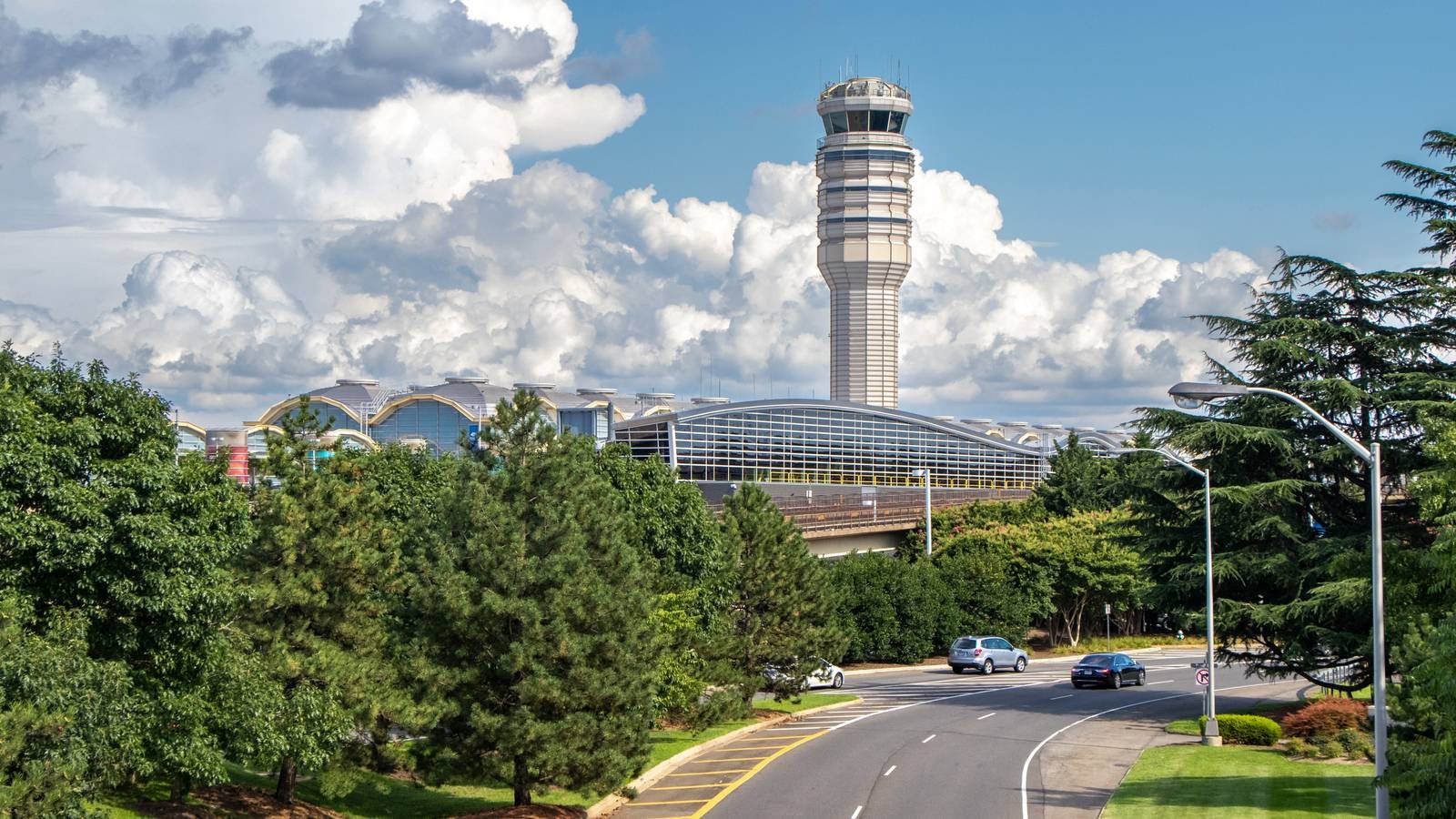
A viral air traffic control (ATC) recording circulating on social media shows a controller reportedly rebuking Delta Air Lines and American Airlines Bombardier CRJ pilots who were making animal noises over an aviation frequency. The incident, reported by Turbine Traveller on X, occurred on the emergency “Guard” frequency monitored by aircraft near Ronald Reagan Washington National Airport (DCA). The audio captures frustration over disruptive and unprofessional behavior on a channel reserved for urgent communications. The exchange quickly gained attention within aviation circles and beyond for both its content and the sharp reprimand delivered.
The clip has sparked debate among pilots and aviation professionals about etiquette, safety, and the long-standing issue of misuse of the 121.5 MHz emergency frequency. While casual listeners may find the exchange surprising, experienced pilots note that such interference, though inappropriate, is not entirely uncommon on Guard. The situation highlights the tension between industry professionalism and a subculture of on-frequency trolling that persists despite ongoing criticism.
Misuse Of Emergency Frequency Sparks Viral Backlash

The viral recording reportedly features  Delta Air Lines and
  American Airlines CRJ pilots transmitting animal noises such as “meowing” and “barking” over an aviation frequency. These transmissions interfered with normal communications, prompting an irritated response captured in the clip. The controller delivering the reprimand criticizes the behavior as unprofessional and potentially dangerous, referencing career progression with a remark about “still flying an RJ,” or regional jet.
The frequency in question is widely believed to be 121.5 MHz, known as “guard,” which is designated internationally for emergency use. All commercial aircraft monitor this frequency, making it critical for distress calls and urgent broadcasts. However, it has also developed a reputation for misuse, including prank transmissions and non-essential chatter. This dual nature contributes to ongoing frustration among aviation professionals who rely on it for safety. In a post on X, a former USAF KC-10 pilot and current Boeing 737 Captain said:
The frequency they “meow” on is our “Guard” frequency, supposed to be reserved for emergencies. This is a common thing unfortunately & is stupid. I support penalties for these pilots. Just because you can’t hear an emergency doesn’t mean ATC can’t & you are blocking them.
“Still Flying An RJ”: Industry Insult Highlights Pilot Culture

Among pilots, the misuse of Guard frequency is a well-known issue, often discussed but difficult to eliminate. While regulatory bodies emphasize proper radio discipline, enforcement is challenging due to the anonymity of transmissions and the global nature of aviation communications. As a result, informal peer policing, such as the reprimand heard in the clip, sometimes occurs when behavior crosses a line.
The phrase “flying an RJ” refers to regional jets, typically operated by less experienced pilots or those earlier in their careers. In this context, it serves as an industry-specific insult implying a lack of professionalism or advancement. While controversial, such remarks reflect underlying hierarchies within aviation and the cultural emphasis on discipline and progression.
More broadly, the incident underscores the importance of maintaining clear and professional communication on all aviation frequencies, particularly those reserved for emergencies. Even brief disruptions can create confusion or delay critical transmissions, posing potential safety risks in high-traffic or time-sensitive situations.

“More Dangerous”: FAA & DOT Reportedly Introduce New ATC Separation Mandate Without Guidance
There is some discussion about this new rule.
Misuse Of Guard Frequency Continues To Frustrate Pilots And Controllers

Incidents involving inappropriate transmissions on Guard frequency have been documented for years, with similar cases occasionally surfacing online. Aviation authorities, including regulators and airlines, routinely remind pilots of the importance of radio discipline, though technological limitations make real-time enforcement difficult. Some modern aircraft systems can record transmissions, but identifying offenders remains complex without additional data.
In recent years, increased social media exposure has amplified awareness of such incidents, bringing niche aviation issues into public view. While this can promote accountability, it also risks misrepresenting context, as casual observers may not fully understand how frequently or where such behavior occurs. Industry professionals often stress that such conduct is rare on operational ATC frequencies and largely confined to Guard.
Ultimately, the episode serves as a reminder of the critical role communication plays in aviation safety. Even in an environment where humor and camaraderie exist, maintaining professionalism on shared frequencies remains essential to ensuring efficient and secure operations.
