


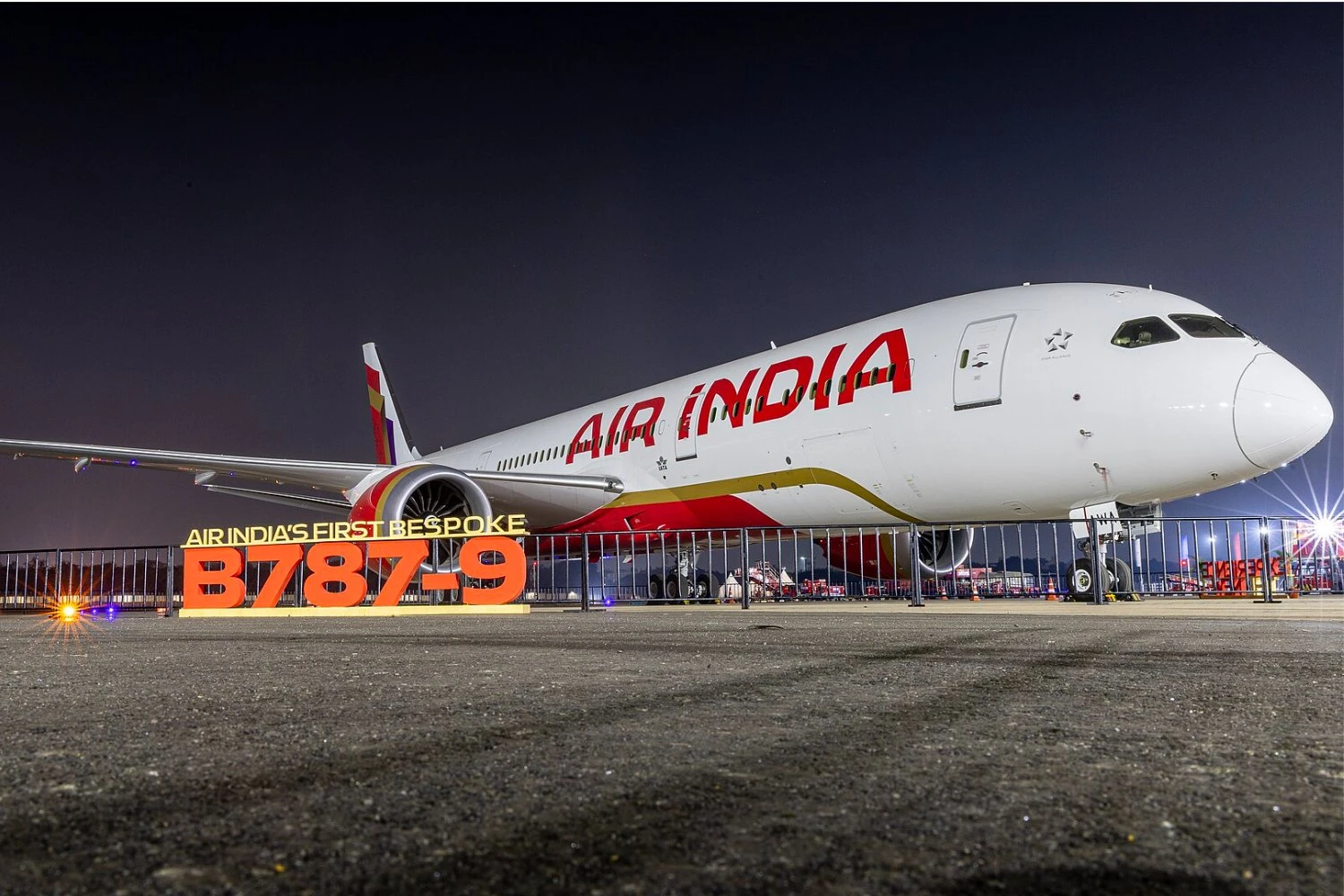
Singapore Airlines is seeking tougher conditions before committing additional money to Air India, as the costly and increasingly lengthy effort by Tata Group to transform the former state-owned carrier continues to face financial, operational and safety challenges.
Air India has asked its two shareholders for about US$1.5 billion in fresh equity, Reuters reported on Wednesday, citing people familiar with the matter. Tata Sons, which owns 74.9% of the airline, has already approved about US$1.1 billion, broadly corresponding to its shareholding.
Singapore Airlines, which owns the remaining 25.1%, is considering conditions including greater voting power on Air India’s board, stronger governance rights and targets for reducing losses before agreeing to provide its portion of the new funding, according to the outlet.
The Singaporean carrier currently has only one seat on Air India’s board, occupied by CEO Goh Choon Phong. Its 25.1% stake nevertheless gives it the ability to block certain special resolutions under Indian corporate law.
Follow Air Data News: WhatsApp | Instagram | LinkedIn | Twitter | Facebook
The discussions come after Air India and its low-cost subsidiary posted a combined US$2.33 billion loss for the fiscal year ended in March 2026. Tata itself has acknowledged that completing the transformation of the airline could take as long as a decade.
Singapore Airlines came through Vistara
Singapore Airlines did not originally invest directly in the Air India acquired by Tata from the Indian government in January 2022.
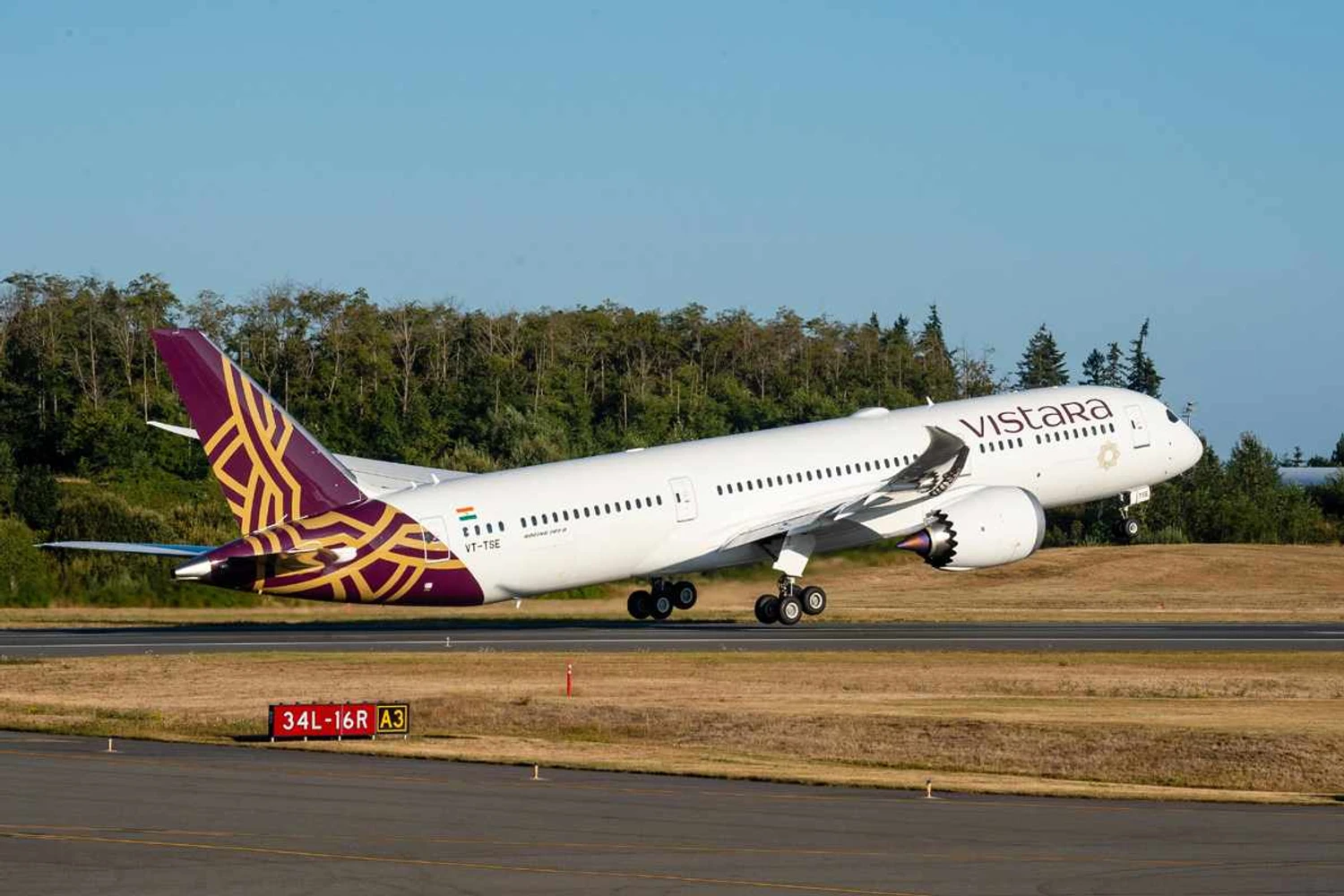
Its stake resulted from the subsequent consolidation of Tata’s airline businesses. Singapore Airlines owned 49% of Vistara, a full-service joint venture established with Tata, which held the other 51%.
When the companies agreed to merge Vistara into Air India in 2022, Singapore Airlines exchanged its interest in Vistara and made an additional investment for a 25.1% stake in the enlarged Air India. The merger was completed in November 2024.
Tata simultaneously consolidated its low-cost operations, combining AIX Connect with Air India Express. The result left the group with two principal airline businesses: full-service Air India and low-cost Air India Express.
The strategy was part of an ambitious effort to rebuild a flag carrier that had spent years accumulating losses under government ownership. Air India launched its Vihaan.AI transformation program in 2022 with an initial five-year horizon, while placing hundreds of aircraft orders and beginning a major overhaul of its fleet, cabins, technology and customer service.
Turnaround proves more difficult
The scale of the task became apparent well before the end of that original five-year period. Air India inherited aging aircraft, dated cabins and shortages of spare parts, while plans to refurbish its older widebody fleet suffered delays because of supply-chain constraints.
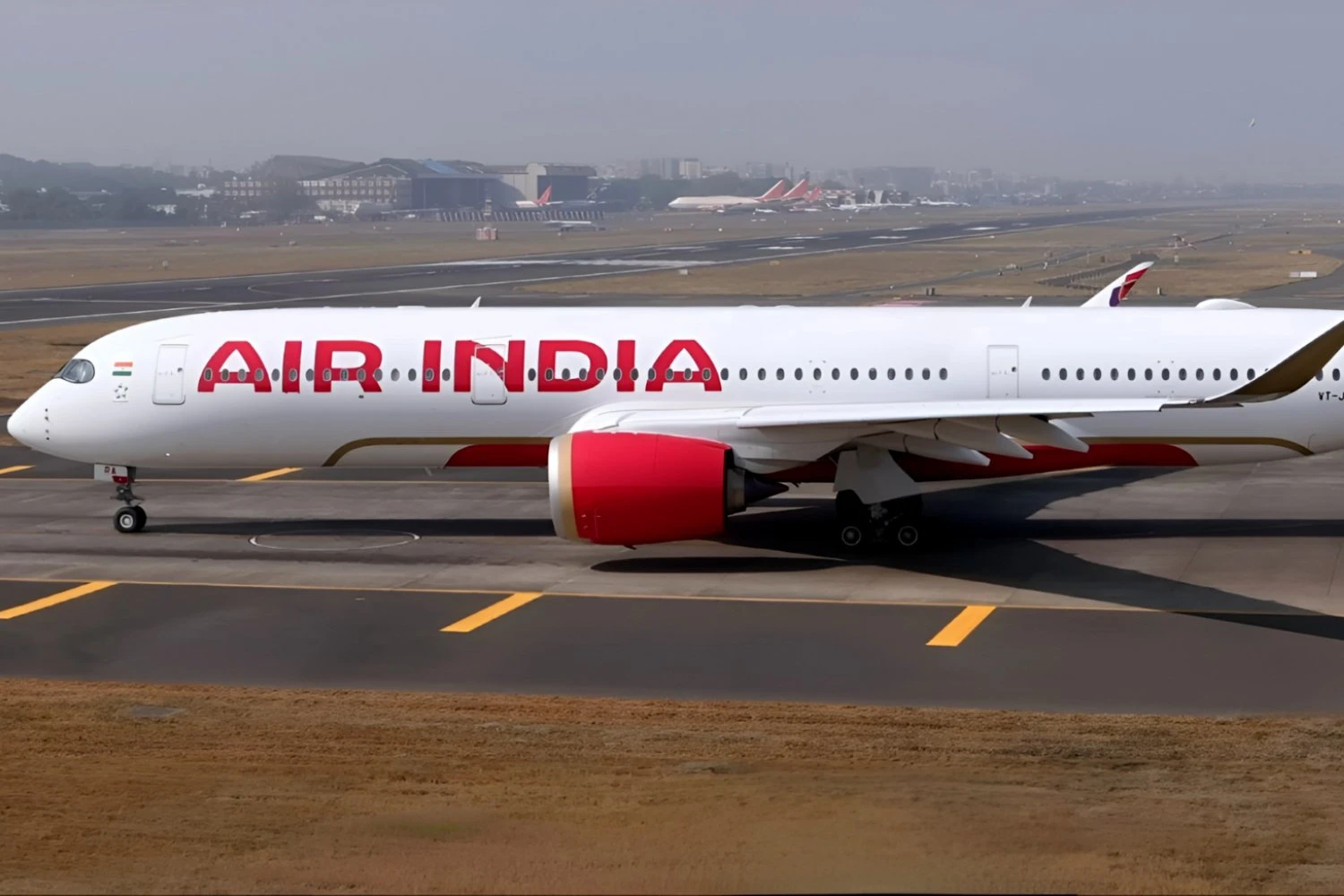
Persistent delays and passenger complaints have also complicated efforts to reposition the carrier against major international competitors. Air India has introduced new Airbus A350s and aircraft inherited from Vistara, but parts of its legacy long-haul fleet have continued to operate with older cabins while refurbishment work progresses.
Safety and maintenance have added another layer of scrutiny. Reuters reported earlier this year that Air India’s rate of reported technical incidents reached 1.09 per 1,000 flights in January 2026, its highest level in at least 14 months and four times the rate recorded in December 2024. Reported occurrences included fuel and oil leaks, hydraulic problems and engine stall warnings.
Indian government also showed recurring defects had been identified on 82.5% of Air India aircraft assessed since January 2025. The airline has responded by increasing its spare-parts inventory by more than 30% and implementing additional engineering and inspection measures.
In August, an Air India Airbus A320 operating from Phuket to New Delhi suffered a temporary loss of pressure in all three hydraulic systems at 36,000 ft. Key flight controls became unavailable for several seconds and the aircraft abruptly lost around 300 ft, injuring 24 passengers and crew. Investigators have not yet established the cause of the hydraulic failure.
787 crash became biggest crisis
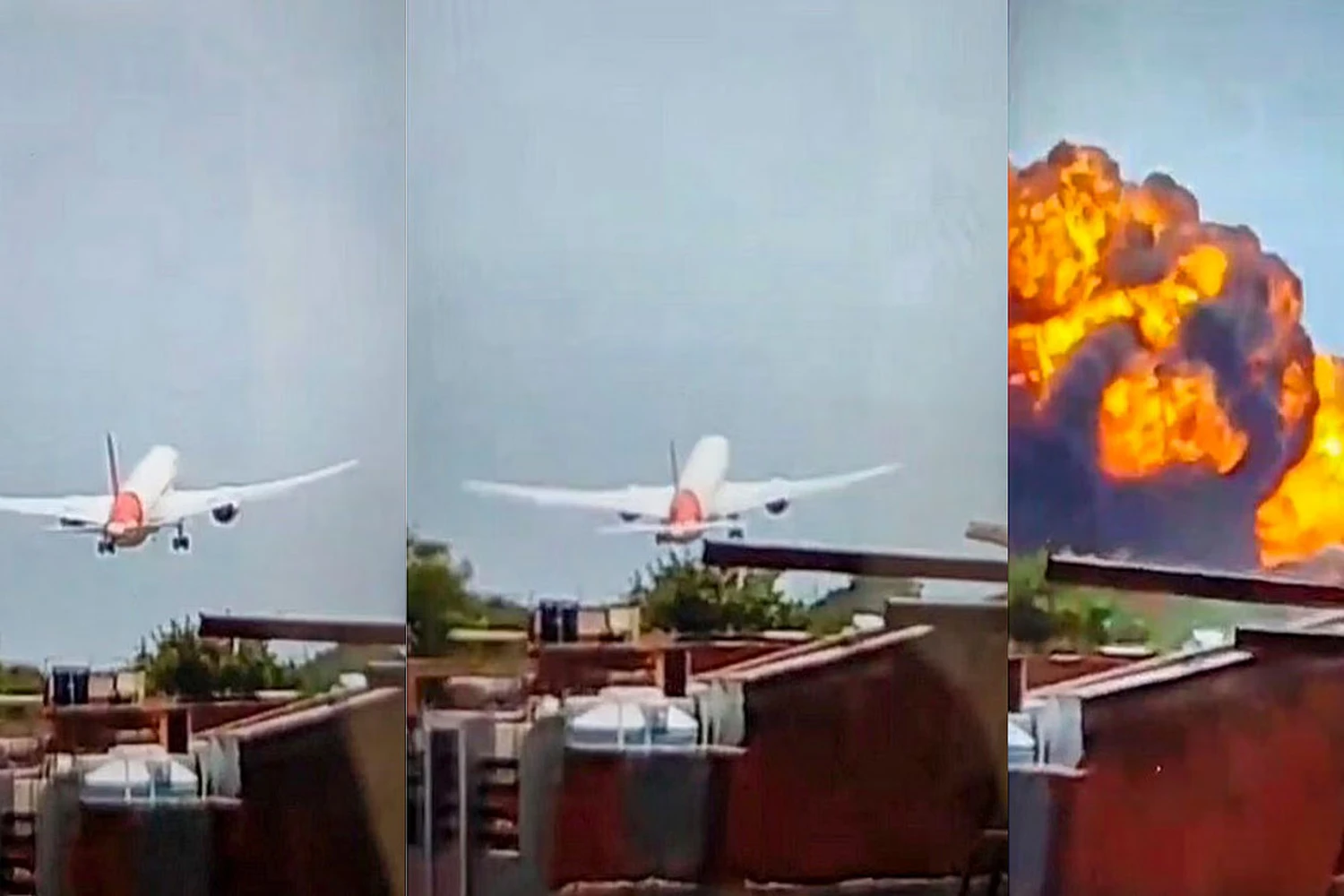
The most serious setback came on June 12, 2025, when Air India Flight AI171, a Boeing 787-8 operating from Ahmedabad to London Gatwick, crashed shortly after takeoff.
There were 242 people aboard and only one survived. People on the ground were also killed, taking the overall death toll to 260.
The accident became the first fatal crash involving a Boeing 787 and placed Air India under intense scrutiny while it was already attempting one of the airline industry’s largest corporate and operational transformations.
The investigation remains underway, and no final cause has been established. The accident therefore cannot be linked to the maintenance and reliability problems affecting Air India’s wider operation without evidence from investigators.
Regulatory problems have nevertheless preceded and followed the crash. India’s Directorate General of Civil Aviation has taken action against Air India over issues including crew fatigue requirements and operational compliance, while authorities increased oversight of the carrier’s 787 fleet following AI171.
Longer road than originally envisioned
Tata Sons Chairman N. Chandrasekaran acknowledged in July that Air India’s complete transformation could require five to ten years, extending the horizon beyond the five-year Vihaan.AI program announced shortly after privatization. He cited factors including supply-chain problems, outdated systems, organizational culture, workforce requirements and fleet modernization.
Air India is also undergoing another leadership change. Tewolde Gebremariam, who led Ethiopian Airlines during a period of major international expansion, has been selected to replace Campbell Wilson.
For Singapore Airlines, the deteriorating financial performance has already had consequences. Because Air India is an associate company, its losses affect the Singapore carrier’s earnings. Singapore Airlines reported a sharp decline in quarterly net profit earlier this year despite stronger results from its own airline operations.
The request for another US$1.5 billion has consequently attracted political attention in Singapore, where state investment company Temasek is the majority shareholder of Singapore Airlines. Singapore’s government has said the carrier makes its own investment decisions and would finance any additional Air India investment from its own resources rather than seeking fresh shareholder funding.
