


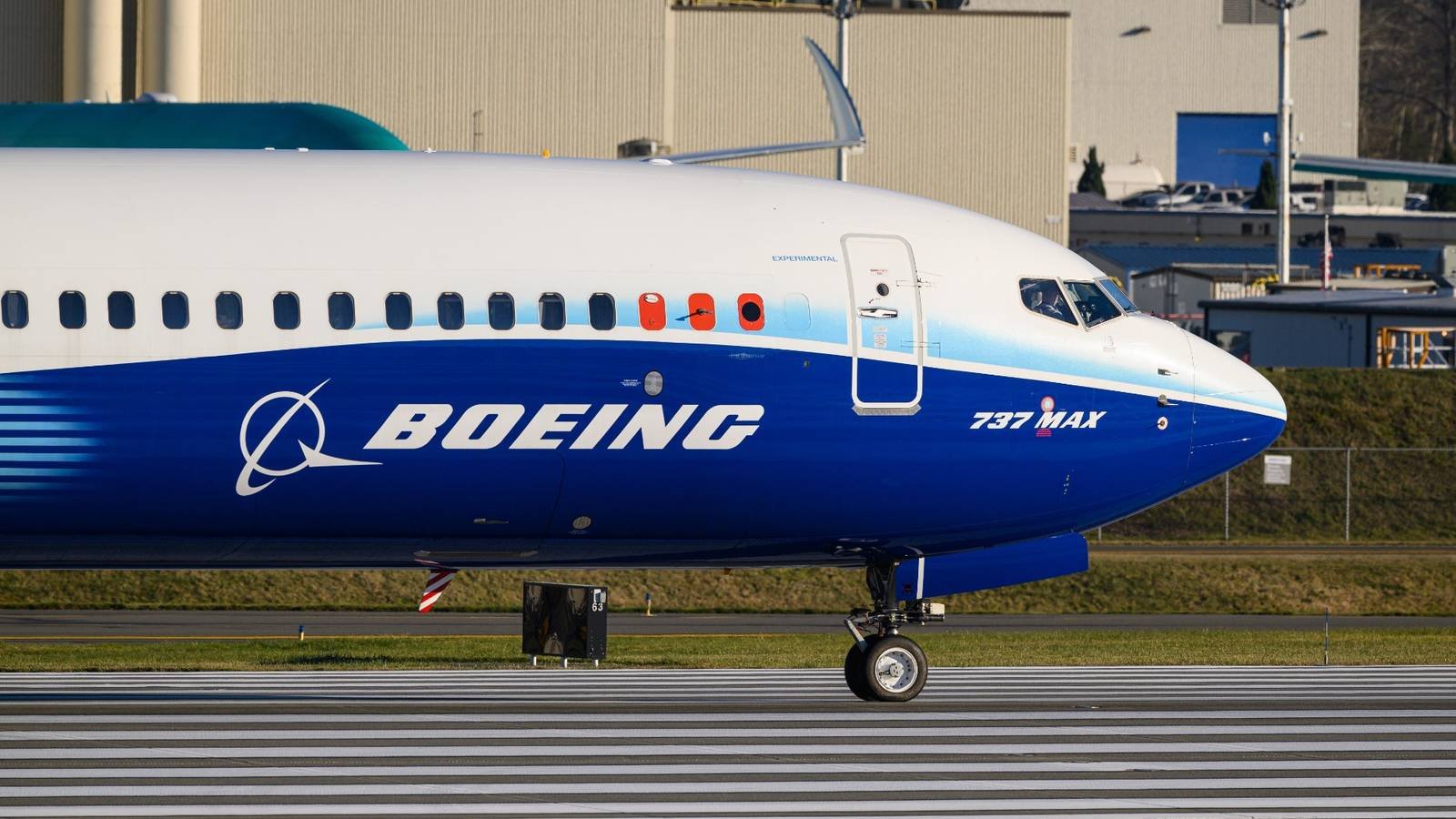
Southwest Airlines and  United Airlines have told
  Boeing they will not accept new 737 MAX aircraft equipped with a recently identified flight-management-computer software issue, as reported by CNBC. The Federal Aviation Administration (FAA) is currently reviewing the problem, which can cause automated vertical navigation to disengage during a specific missed-approach scenario. The development comes as Boeing awaits certification of the 737-10 and prepares to deliver the newly certified 737-7.
The affected software versions are 14 and 14.1, although the airlines have stressed that their MAX aircraft already in service are not equipped with the problematic versions. Boeing has described the issue as not posing an immediate safety threat and has already provided operators with information reinforcing existing pilot procedures. Nevertheless, the manufacturer is working on a permanent software update while the FAA conducts its own review.
Southwest And United Want Older Software

The software problem affects the flight-management computer (FMC) installed on certain Boeing 737 MAX aircraft. According to Airways Magazine, the condition can occur when an aircraft is conducting a precision approach with the autopilot engaged, executes a missed approach or go-around, and then changes the pre-programmed flight plan. In this situation, the flight-guidance system can transition from vertical navigation, or VNAV, into another mode such as level change or vertical speed.
VNAV normally follows the vertical flight profile calculated by the FMC using altitude and speed restrictions in the flight plan. If it disengages under these circumstances, the autopilot remains available, but pilots must manage the aircraft’s vertical path differently. Boeing has emphasized that crews are trained to operate the aircraft without VNAV, while it is also working with airlines on procedures to restore automated vertical navigation, as per a CNBC report.
United confirmed the current situation around the affected aircraft to Simple Flying:
United does not currently have any 737s operating with this new FMC software, and we are not taking deliveries of new aircraft with the new FMC software.
FAA Reviews The Issue As 737-10 Certification Nears

The FAA has said it will convene a Corrective Action Review Board (CARB) to examine Boeing’s safety findings and proposed solution. The agency said it would take immediate action if the review identifies a safety concern, according to CBS News. The CARB process is used by the FAA’s safety experts to determine whether an aviation issue represents a safety concern and what corrective measures may be appropriate.
The timing is particularly notable because Boeing’s 737-7 and 737-10 programs are both connected to the affected software. The FAA certified the 737-7 on August 3, and the aircraft was certified with software version 14. Meanwhile, the 737-10 used version 14.1 during certification testing, with Boeing completing its final planned certification flight in July.
Boeing first became aware of the condition after an airline reported it in November 2024. The company initially concluded in February 2025 that it did not represent a safety issue, but additional information from operators later prompted Boeing to conduct a formal safety review. Boeing then provided the findings to the FAA for assessment.
What The Software Issue Means For New MAX Aircraft

For Southwest and United, the immediate issue concerns aircraft that have yet to be delivered, and not their current MAX fleets. Both airlines will not accept new aircraft equipped with the affected software and will instead accept aircraft with an earlier software version.
Southwest separately confirmed to CNBC that none of its fleet is equipped with version U.14, including its new MAX 8 deliveries.
The situation could be particularly relevant to Southwest because the airline accounts for nearly all of the 737-7’s current order book and had been expected to begin receiving the type later this year. It is not yet clear whether the 737-7 can be delivered with an earlier software version, or what changes would be required for those deliveries to proceed.
The issue also comes at a sensitive point for the 737-10 program.  Alaska Airlines has 105 737-10s on order, according to Airways Magazine, with options for another 35, and had expected FAA certification by the end of September before the software issue emerged. The FAA has not said whether the CARB review must be completed before the 737-10 can be certified, leaving an important question hanging over Boeing’s largest MAX variant.
Boeing currently anticipates its next software update in 2028 but is working to accelerate that timetable following feedback from operators. For now, the FAA’s CARB review will determine how regulators assess the issue and what corrective action may ultimately be required.
