


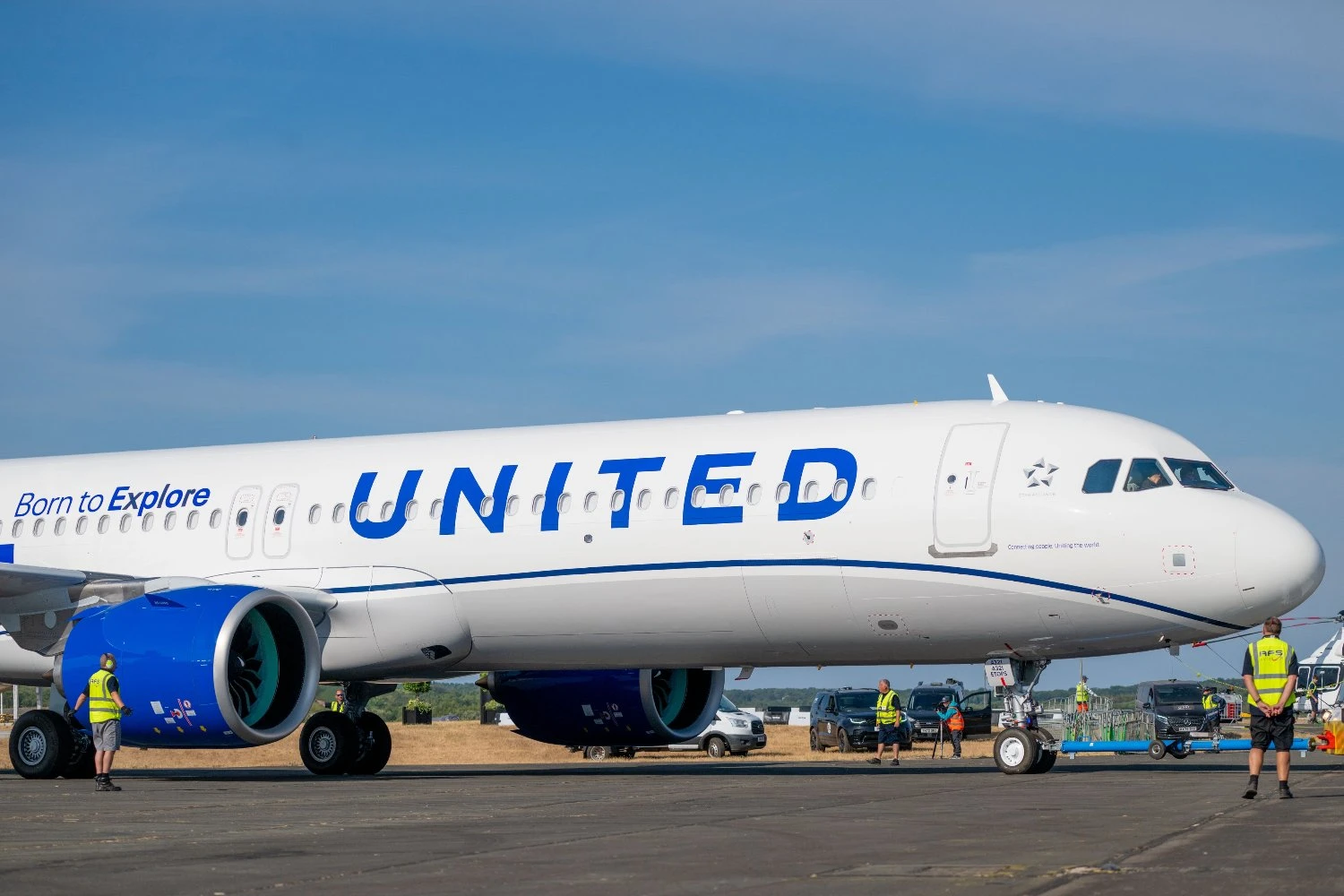
United Airlines has raised questions about the real-world range of the Airbus A321XLR just as it prepares to introduce the aircraft, saying the jet cannot perform some of the missions Airbus originally presented when marketing the type.
Patrick Quayle, United’s senior vice president of global network planning and alliances, told The Air Current that the range originally presented by Airbus was “a lot further than what it is right now, as constructed and as built.”
Follow Air Data News: WhatsApp | Instagram | LinkedIn | Twitter | Facebook
Quayle said United consequently intends to be “very conservative” when deploying the aircraft. In a separate interview with Business Traveller, he said Airbus had originally presented “Newark-Italy flying” among the possibilities for the XLR, adding that under United’s requirements, “the plane cannot do that.”
The comments are significant because United ordered 50 A321XLRs in 2019 largely to replace its Boeing 757-200s and expand into thinner long-haul markets. Airbus advertises the XLR with a range of up to 4,700 nautical miles (8,700 km), about 700 nm more than the A321LR.
However, the reference to Italy also illustrates how difficult it is to translate the manufacturer’s headline range into the limits of an actual airline operation.
Italy can mean very different missions from Newark. Milan Malpensa is only about 3,485 nm (6,455 km) away, while Rome is around 3,720 nm and destinations such as Catania approach 4,000 nm. Quayle did not identify which Italian destinations Airbus had originally proposed.
Existing A321 operations make the distinction particularly important.
XLR already flying beyond 3,600 nm
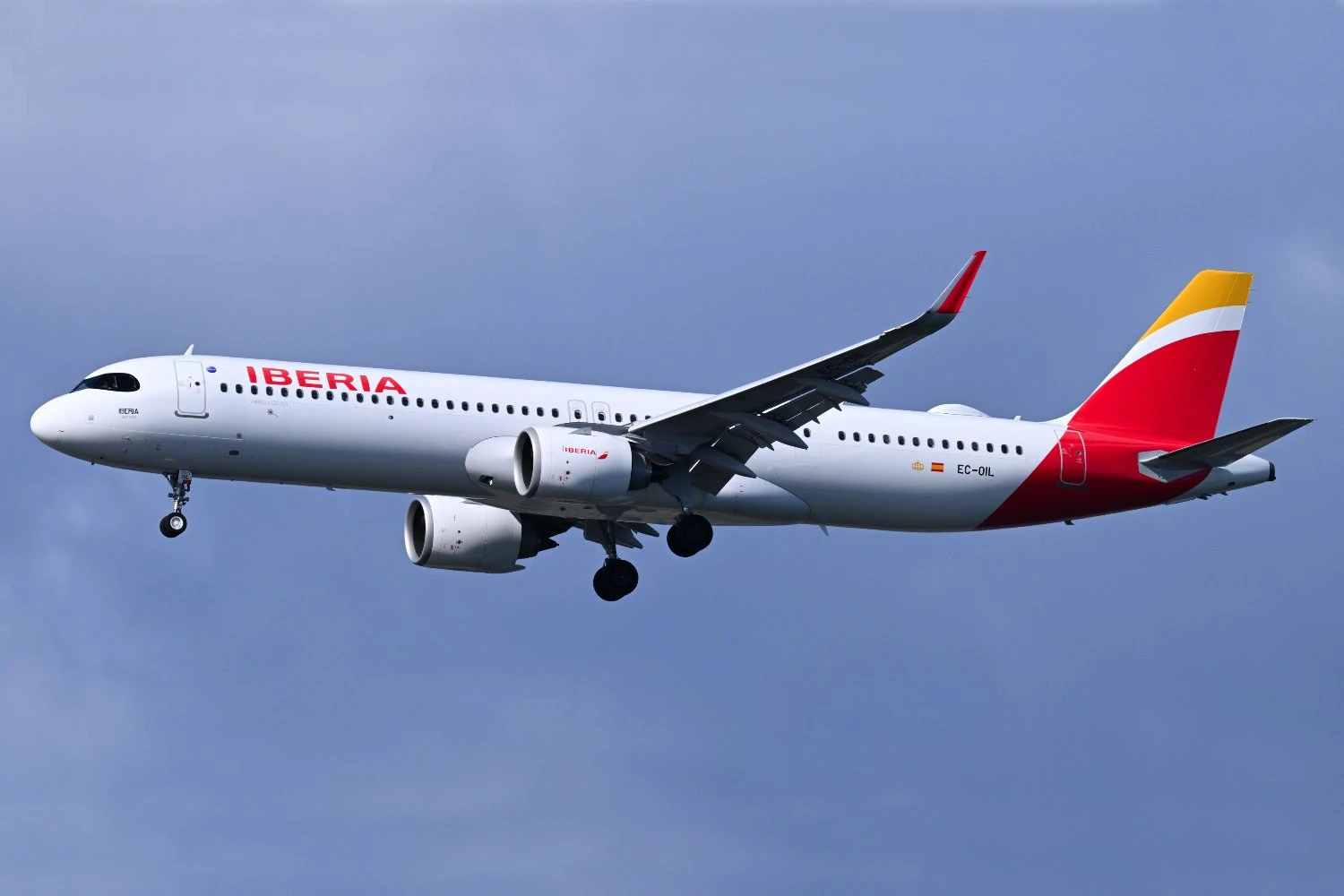
Iberia is already operating the A321XLR between Madrid and Santo Domingo, a great-circle distance of approximately 3,620 nm (6,705 km). Its aircraft have 182 seats, including 14 lie-flat Business Class seats.
That is a longer geographic distance than Newark-Milan despite the United XLR having only around 150 seats. United’s configuration includes 20 Polaris suites and 12 Premium Plus seats, making it one of the lower-density A321XLR layouts.
The older A321LR provides another useful comparison. La Compagnie operates the type between Newark and Milan, demonstrating that the city pair itself is within the capabilities of an A321 derivative. Its aircraft have an unusually light 76-seat all-business configuration, however.
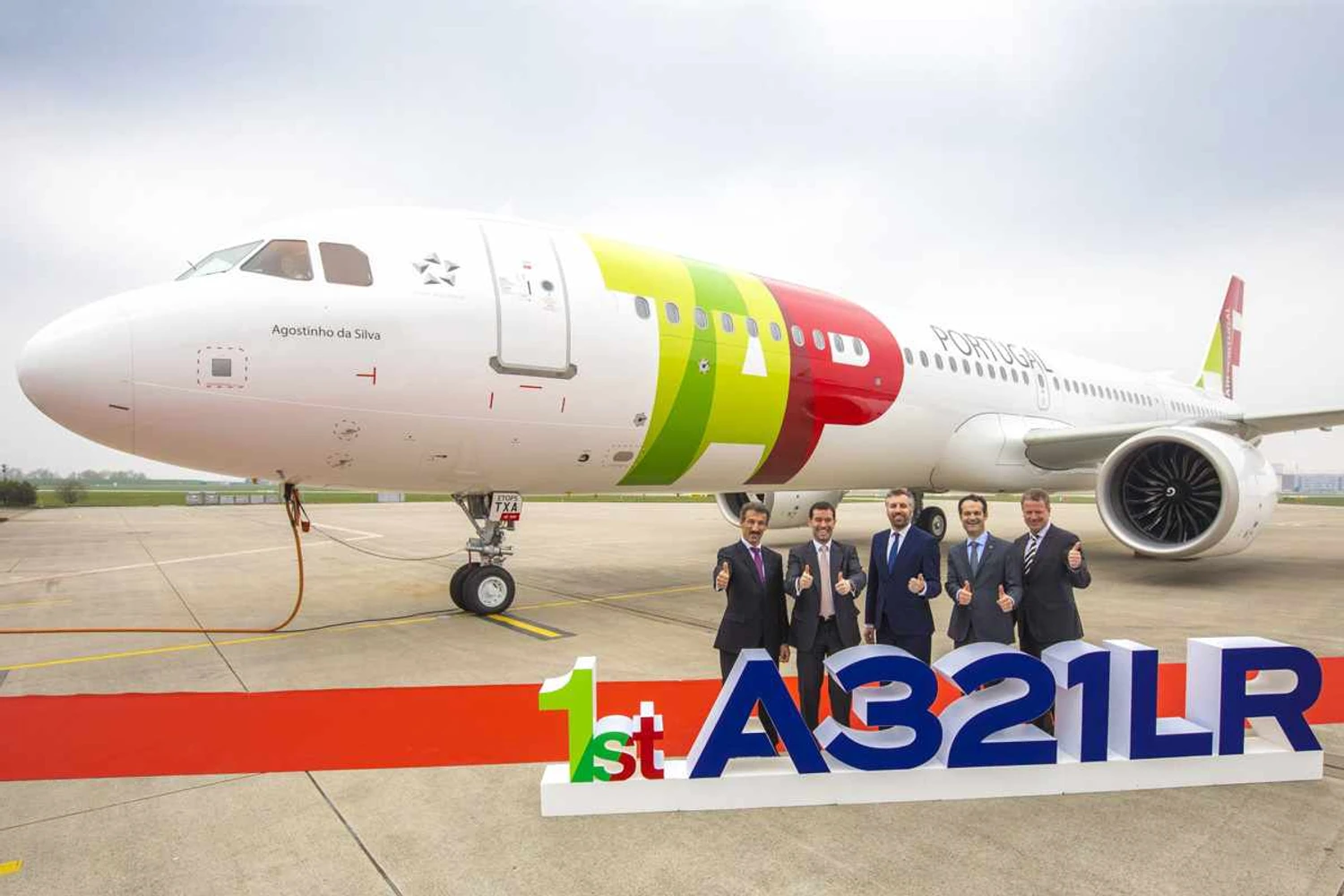
TAP Air Portugal has also pushed the A321LR deep into long-haul territory. Lisbon-Belém in northern Brazil is approximately 3,730 nm (6,910 km) in great-circle distance and has been operated with the LR, which TAP configures with 171 seats.
These flights do not establish that United could reliably operate the same distances. North Atlantic winds, seasonal weather, diversion airports, reserves, cargo and baggage requirements can substantially change the fuel required for two routes of similar geographic length. Westbound flights from Europe to the United States can be particularly demanding during winter.
They do show, however, that interpreting United’s comments as evidence that the XLR has a practical range of only around 3,500 nm would be misleading.
XLR did lose some of its expected range
There is nevertheless evidence that the aircraft delivered by Airbus does not have exactly the performance initially envisaged.
Reuters reported in 2023 that modifications required during certification of the XLR’s Rear Centre Tank would add roughly 700-800 kg (1,540-1,760 lb) of weight, considerably more than initially expected.
Sources familiar with the program estimated at the time that the changes could reduce range by approximately 200 nm. Air Data News reported on the issue when the additional weight and potential performance penalty emerged.
That represents only about 4% of Airbus’ advertised 4,700-nm maximum range, rather than the roughly 1,200-nm difference that would be implied by comparing the brochure figure directly with Newark-Milan.
Airbus’ range figure itself also requires context. The 4,700 nm is an “up to” design figure under defined assumptions, rather than a guarantee that an airline can schedule a 4,700-nm city pair year-round with its chosen cabin, passengers, baggage, cargo, reserves and operational margins.
Actual operators are already using more conservative numbers. Iberia, for example, has published figures for its XLR below Airbus’ headline 4,700-nm range.
United’s first international deployment reflects that caution. After domestic introduction, the XLR is scheduled to begin international operations from Washington Dulles to Amsterdam and Dublin in December. For summer 2027, United has assigned the aircraft to Luxembourg, Marseille, Toulouse, Valencia and Ibiza.
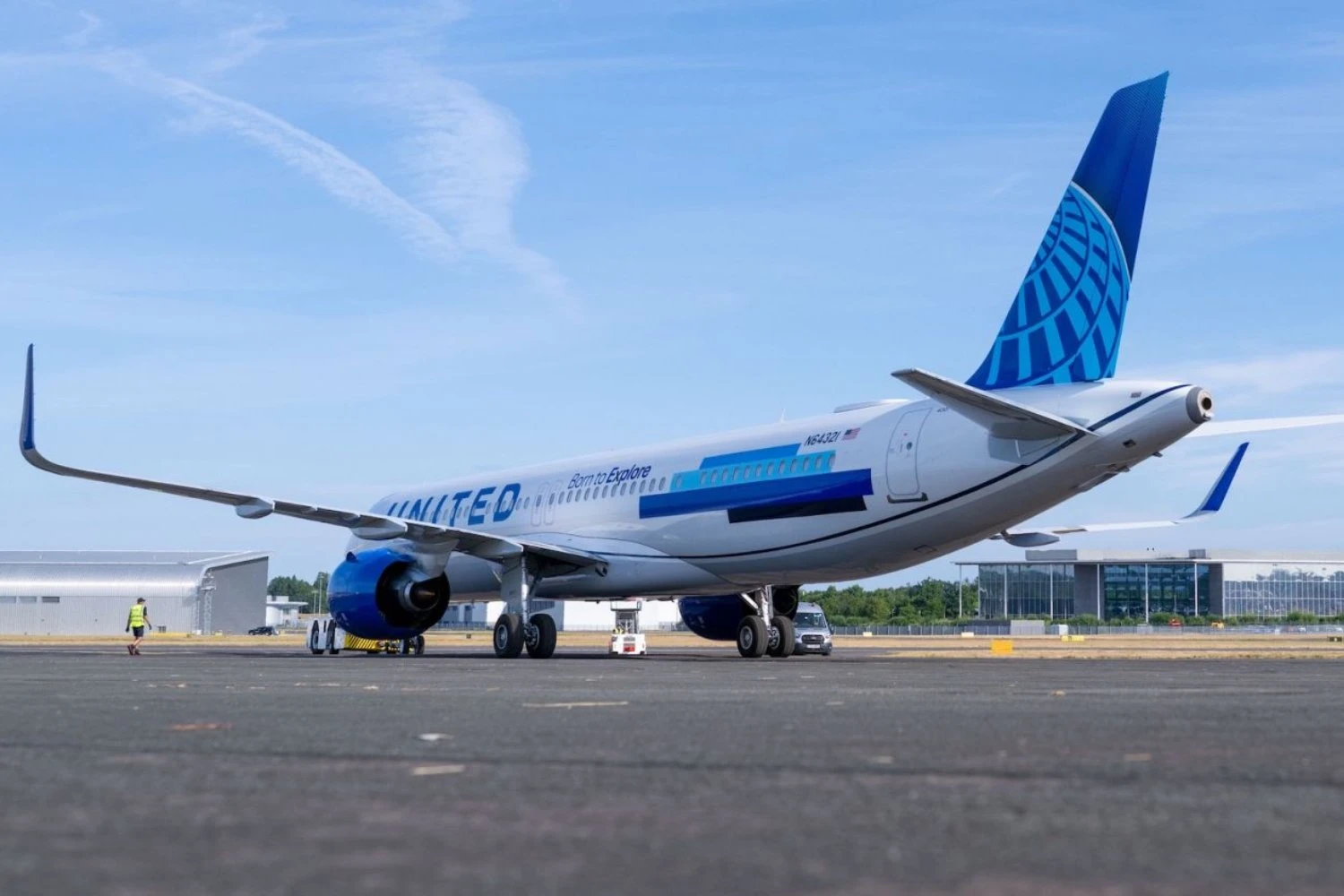
Its new services farther into the Mediterranean tell a different story. Milan will be served from Washington Dulles with a Boeing 767-300ER, while Newark-Olbia and Newark-Catania will also use 767s.
The emerging evidence therefore points less to a single dramatically reduced “real range” for the A321XLR than to a narrower operational envelope than United expected when it ordered the aircraft. The approximately 200-nm performance penalty identified during development is documented, but airline requirements can amplify its effect when routes approach the limits needed for reliable year-round service.
