


The U.S. Navy expects to select the manufacturer of its next-generation F/A-XX carrier-based fighter by August, Chief of Naval Operations Adm. Daryl Caudle said during the Sea-Air-Space 2026 conference, signaling movement after months of uncertainty around the program.
“The need for the F/A-XX is unquestionable. Peer competitors and even lesser adversaries are improving their anti-air capabilities,” Caudle said, according to outlets. The service prepares to move into the engineering and manufacturing development phase.
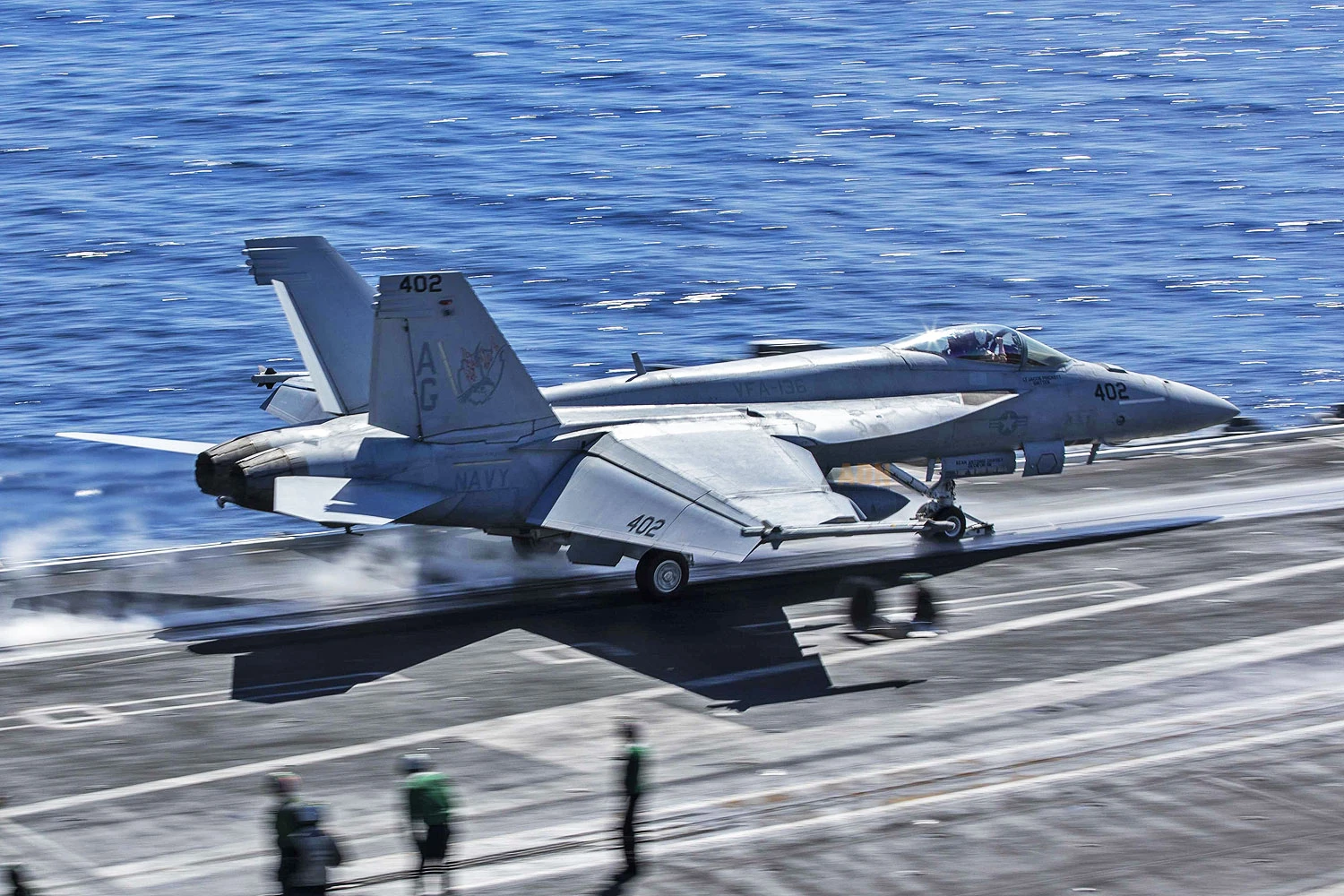
The decision will determine the winner of a competition between Boeing and Northrop Grumman. Lockheed Martin was previously eliminated after its proposal failed to meet requirements. The F/A-XX is intended to replace the Navy’s F/A-18E/F Super Hornet and EA-18G Growler fleets in the coming decades.
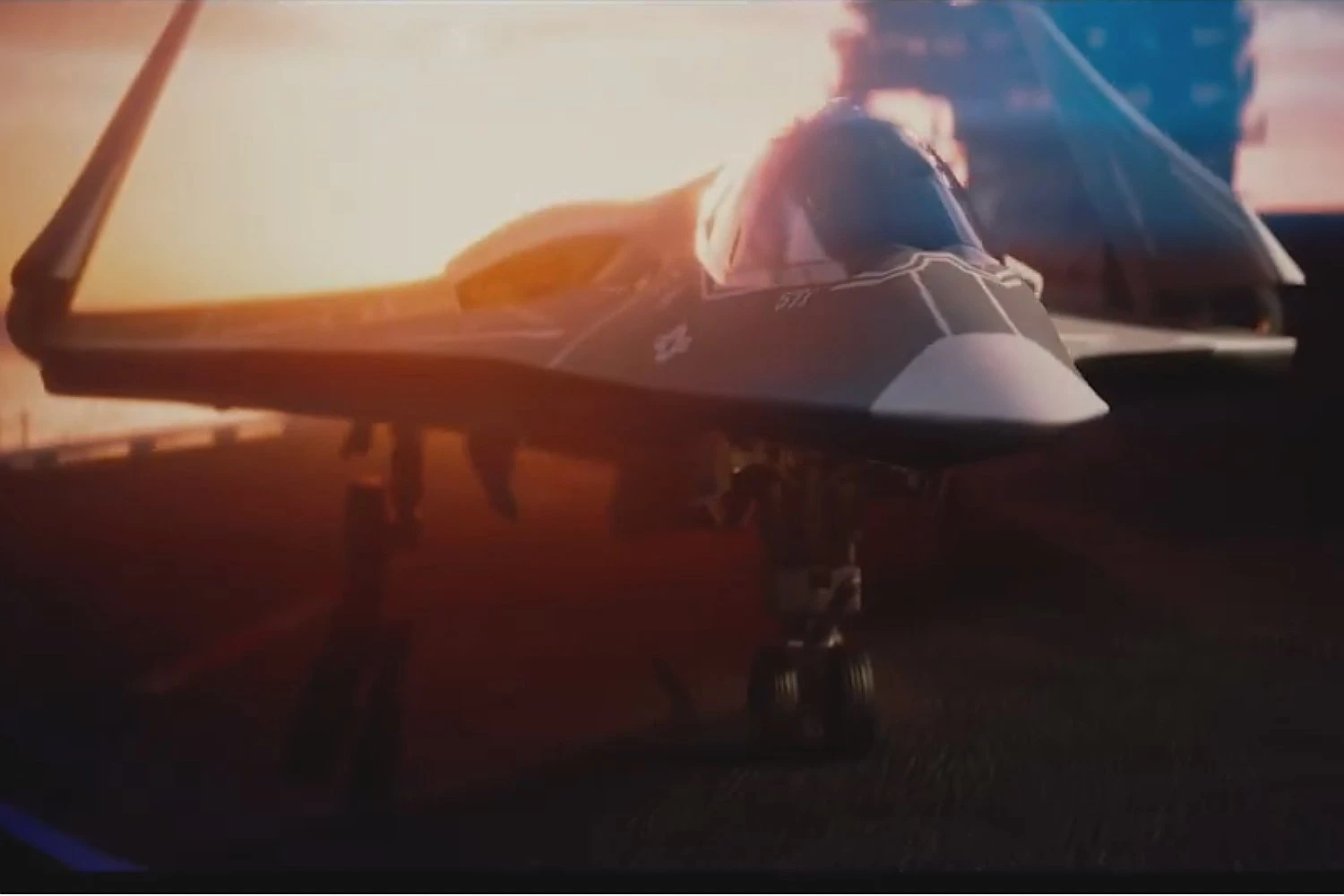
Northrop Grumman has recently released a video showing its concept for the aircraft, featuring a tailless, low-observable design with folding wings for carrier operations and air intakes positioned above the wing and fuselage—an arrangement associated with stealth shaping and reduced radar signature.
The program has faced repeated delays as the Pentagon weighed industrial constraints, particularly the challenge of advancing two sixth-generation fighters in parallel with the Air Force’s F-47. Caudle acknowledged those concerns, saying the Navy has been “very careful not to oversubscribe contractors” already involved in major programs.
“One of the contractors who would make this plane for us is in a place where they really can’t deliver in the timeframe we need it,” he said, describing a “check twice, cut once” approach to the decision.
Despite hesitation within the Pentagon, Congress has continued to fund the effort, adding nearly $900 million above the Navy’s request in the fiscal 2026 budget, on top of earlier allocations.
The F/A-XX is expected to operate alongside systems such as the MQ-25 Stingray carrier-based refueling drone, extending the range of the future air wing and supporting operations in contested environments where current aircraft could face increasing vulnerability.
