


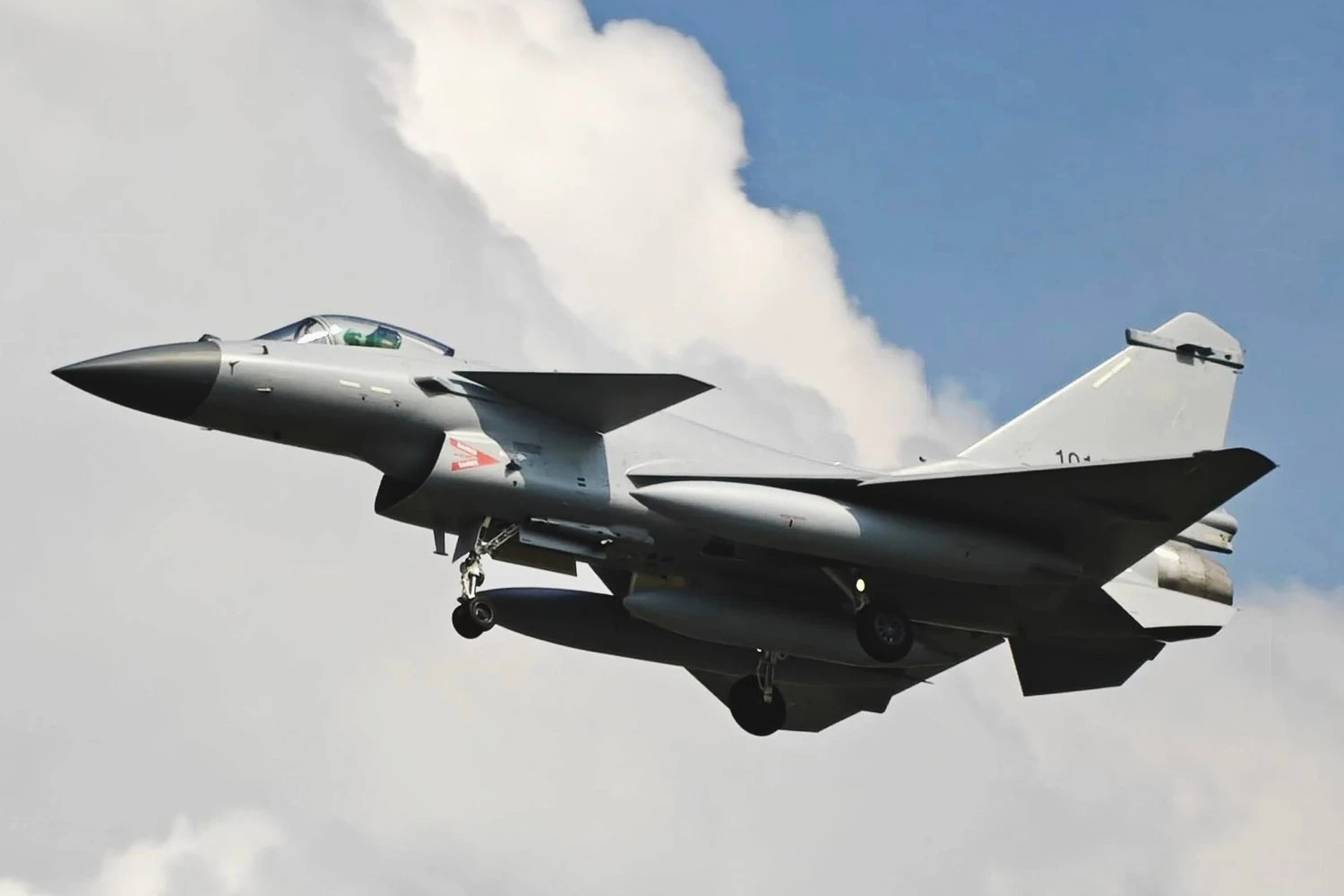
Uzbekistan has confirmed that it has received its first Chengdu J-10CE fighters, ending months of speculation over a previously unverified acquisition of the Chinese combat aircraft.
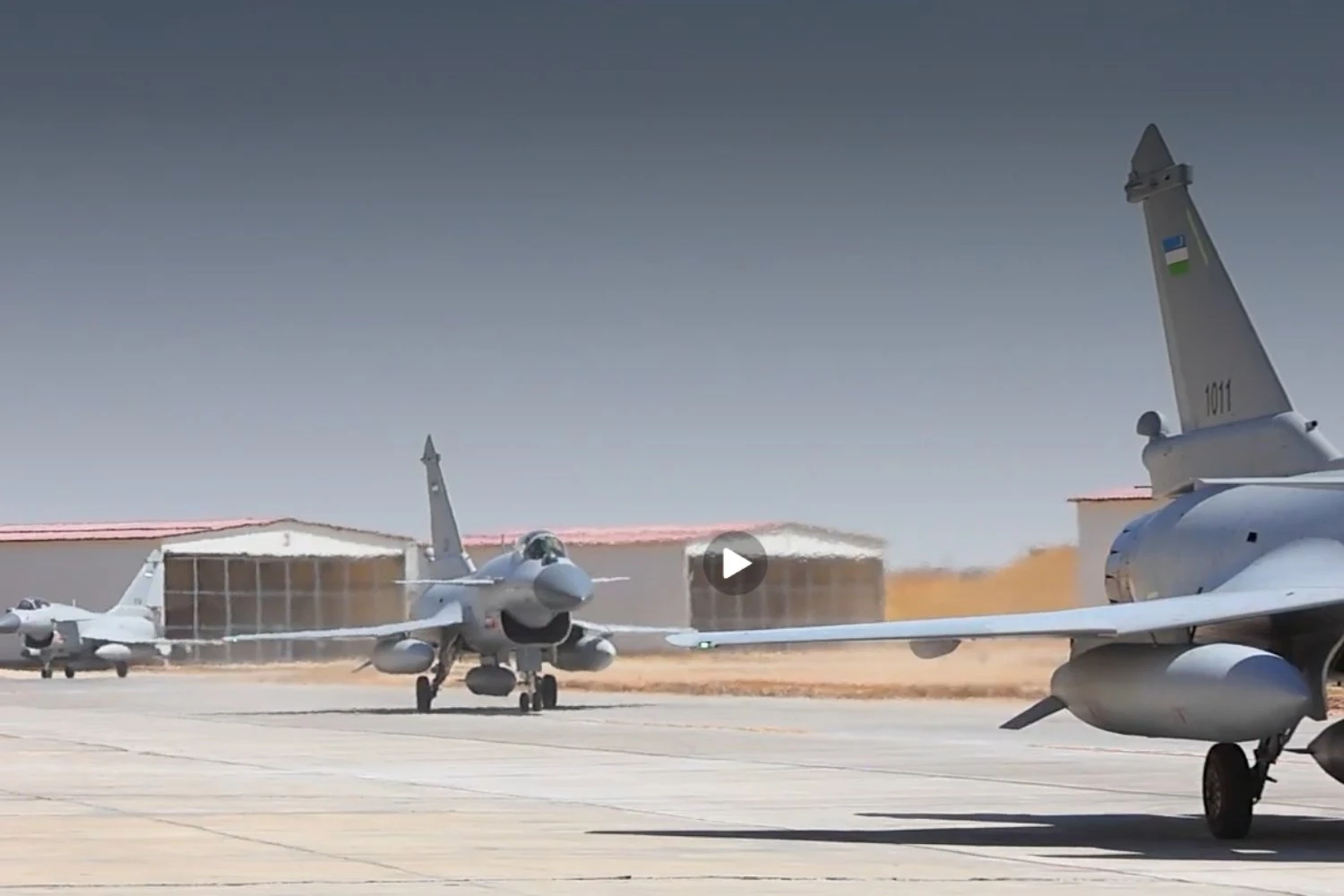
Official footage released during celebrations marking Uzbekistan’s 35th anniversary of independence showed at least six J-10CEs belonging to the country’s air force. The aircraft were seen on the ground and flying in formation, providing the clearest evidence yet that deliveries have taken place.
Follow Air Data News: WhatsApp | Instagram | LinkedIn | Twitter | Facebook
The Uzbek Ministry of Defense also released footage featuring the fighters as part of the country’s air defense capabilities. Images show the aircraft operating from Karshi-Khanabad Air Base in southern Uzbekistan.
One of the J-10CEs carries the number 1014, while other serials have also been observed in imagery associated with the fleet.
The appearance is significant because previous reports that Uzbekistan had acquired the J-10CE lacked official confirmation from either Tashkent or Beijing.
Reports preceded confirmation
Claims that Uzbekistan was preparing to acquire Chinese fighters emerged earlier this year, with the J-10CE and the smaller JF-17 Block III both mentioned as possible candidates.
The speculation intensified after imagery and flight-tracking information suggested that Chinese military aircraft or equipment could have been delivered to Uzbekistan.
Photographs subsequently circulated purporting to show a J-10CE intended for the Uzbek Air Force, but the available evidence was insufficient to establish that the aircraft had actually been delivered or entered Uzbek service.
Neither the Uzbek government nor China’s state-owned aerospace industry announced a contract.
The new official footage changes that assessment by showing multiple aircraft operating in Uzbekistan as part of the country’s military aviation fleet.
At least six J-10CEs can be identified, although the total number acquired remains unknown.
Previous reports have suggested Uzbekistan could acquire as many as 24 aircraft. That figure has still not been confirmed by the Uzbek Ministry of Defense, Chinese authorities or manufacturer AVIC.
Second foreign J-10CE operator
The acquisition makes Uzbekistan the second confirmed foreign operator of the J-10CE after Pakistan.
Pakistan became the type’s first export customer and inducted its first J-10CEs in 2022. The Pakistan Air Force operates the Chinese fighter alongside its JF-17s and US-built F-16s.
Other countries have since shown interest in the aircraft. Bangladesh is working toward a potential J-10CE acquisition, with government documents indicating plans to procure the fighter, but a final contract has not been publicly confirmed.
The Uzbek revelation therefore settles another uncertainty surrounding the growing export footprint of the J-10 family.
The J-10CE is the export version of China’s J-10C and is equipped with an active electronically scanned array radar, modern electronic warfare systems and beyond-visual-range weapons.
Among its available armament is the PL-15E air-to-air missile, the export derivative of China’s long-range PL-15.
Shift away from Soviet-era fighters
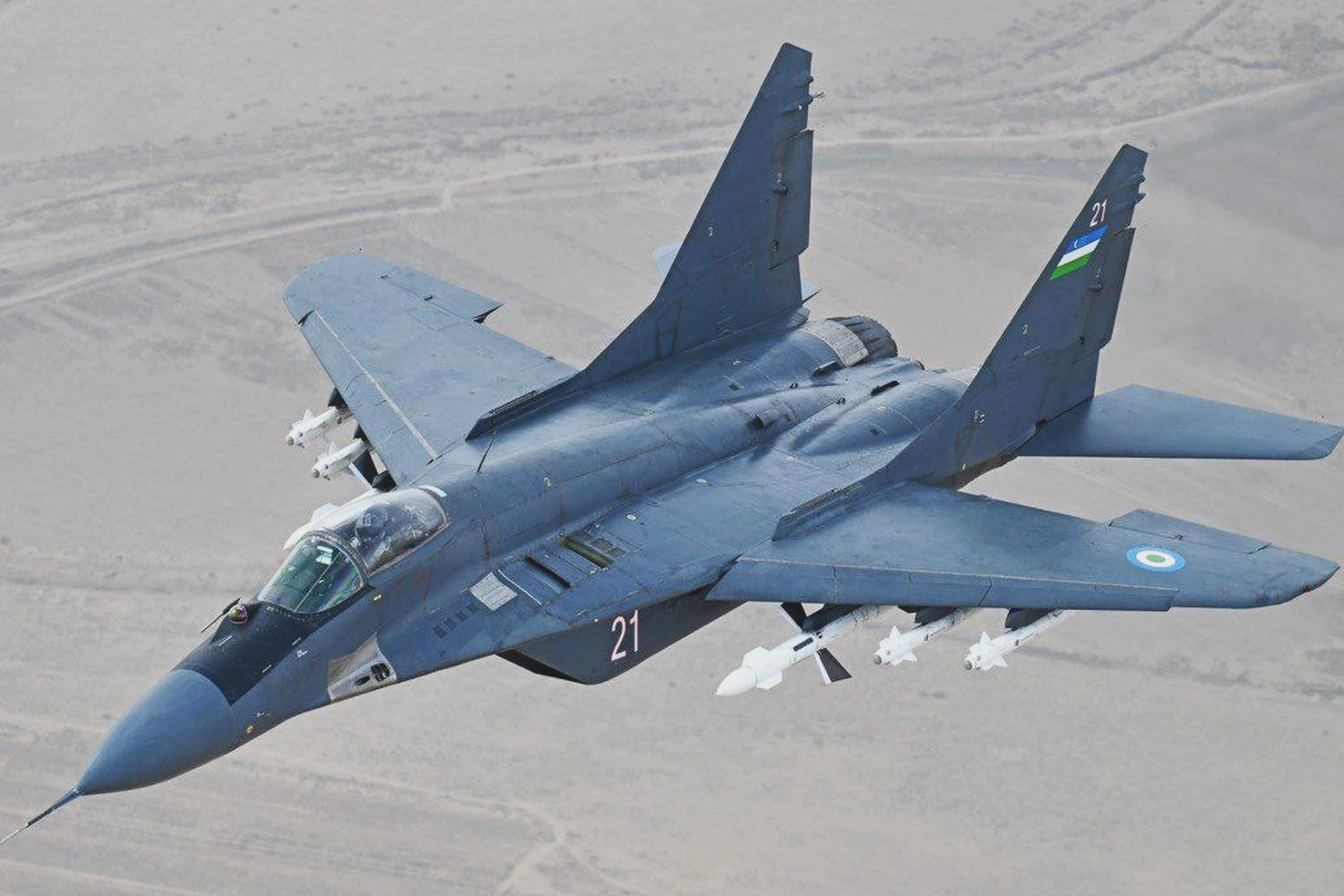
The acquisition is particularly significant for Uzbekistan because its combat fleet has historically depended on Soviet-designed aircraft.
The Uzbek Air Force inherited MiG-29 and Su-27 fighters following the dissolution of the Soviet Union, alongside Su-25 ground-attack aircraft. Russia had also previously discussed potential combat aircraft sales to the country.
Bringing the J-10CE into service introduces an entirely different Chinese supply chain for aircraft, weapons, sensors, training and maintenance. It also makes Uzbekistan the first Central Asian country confirmed to operate the J-10CE.
