


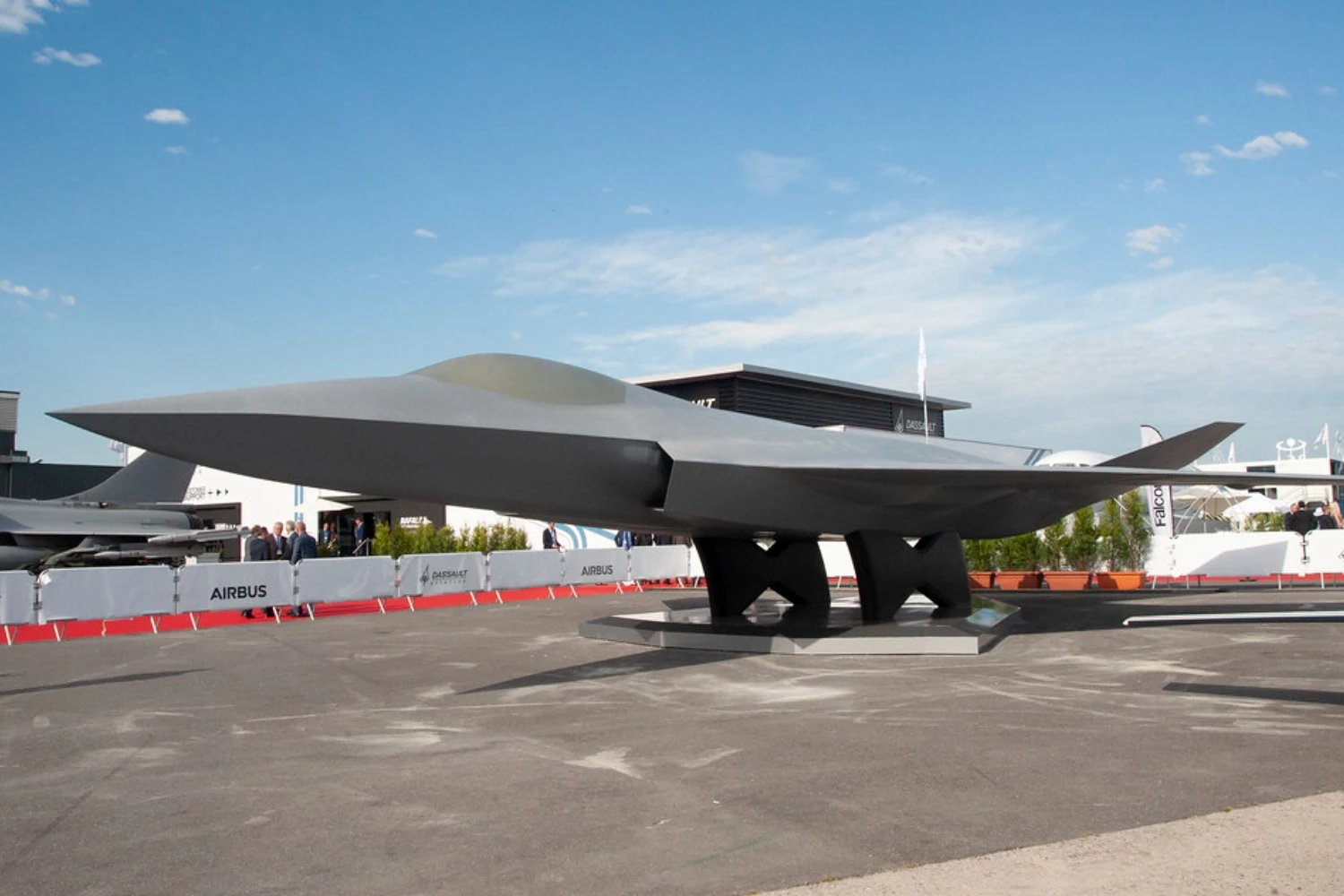
The collapse of the Future Combat Air System (FCAS) has ended nearly a decade of attempts to build a common European sixth-generation fighter, but it has also triggered a new round of discussions about what comes next for the continent’s aerospace industry.
The decision by France and Germany to abandon the fighter portion of FCAS leaves Europe divided between competing paths. Some companies are exploring new partnerships, while others are evaluating whether independent development remains viable despite the enormous costs involved.
One possibility emerged this week when Leonardo signaled that Germany could be welcomed into the rival Global Combat Air Programme (GCAP), which already includes the United Kingdom, Italy and Japan.
Speaking to Reuters, Leonardo CEO Lorenzo Mariani described Germany as a “particularly valid partner” for the project, citing the country’s industrial capabilities and defense expertise.
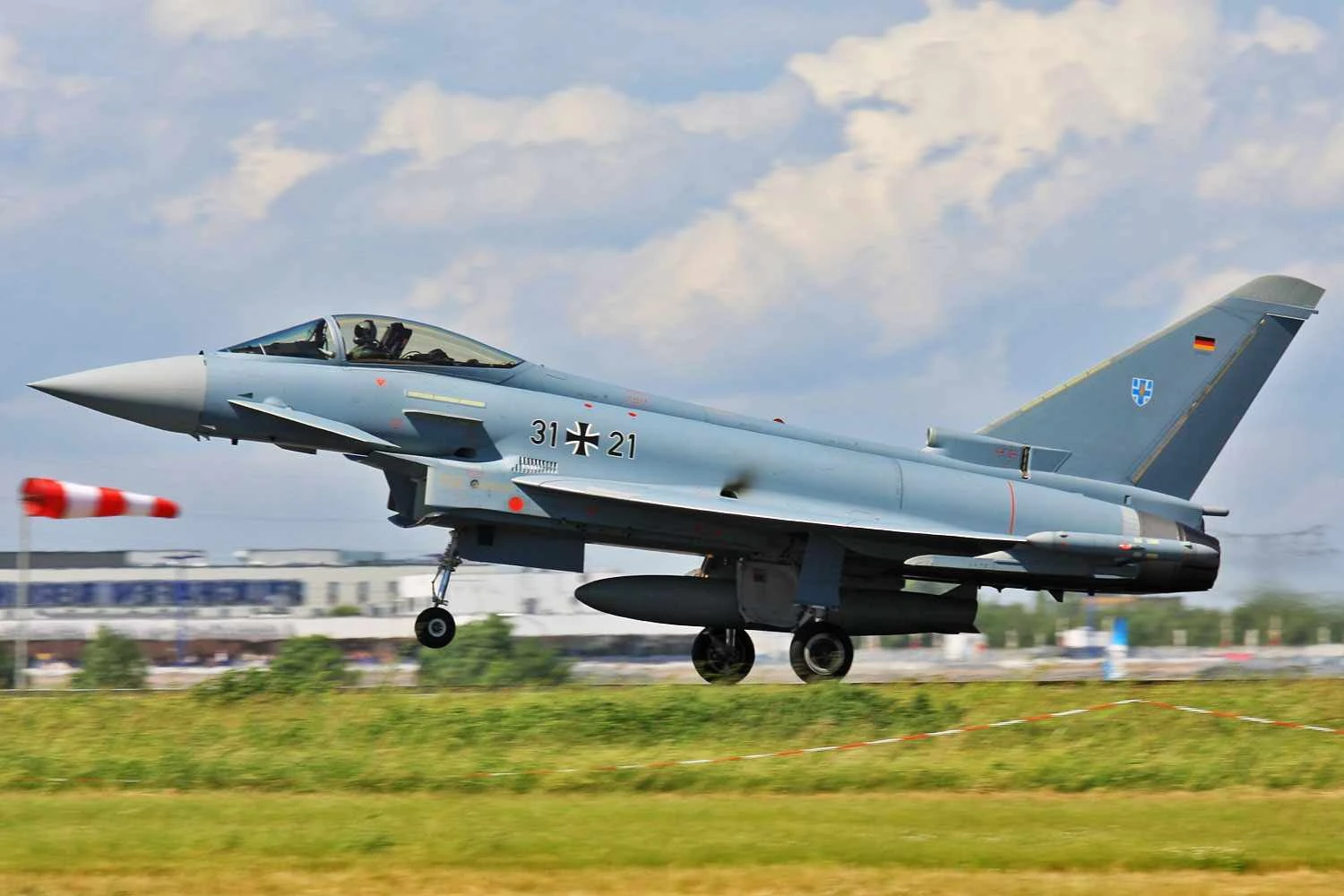
Such a move would not be unprecedented. Germany, Italy, Spain and the United Kingdom already cooperate on the Eurofighter Typhoon, Europe’s largest multinational fighter program currently in service. Bringing Berlin into GCAP would expand the project’s industrial base and help distribute development costs among more participants.
Whether GCAP partners would be willing to offer Germany a meaningful role remains uncertain, however. The program is targeting entry into service by 2035, leaving little room to restructure workshare agreements that have already been negotiated among the existing partners.
Another possibility is emerging in Northern Europe.
According to the news agency, Airbus has been holding exploratory discussions with Saab for at least six months. The Swedish company develops the Gripen fighter and has already been working with Airbus on unmanned systems and related technologies.
The end of FCAS could allow those conversations to expand into closer cooperation on future combat aircraft projects. Sweden remains one of the few European countries with an independent fighter development capability, although it has not yet committed to a successor for the Gripen.
For Airbus, a partnership with Saab would offer an alternative to the deadlocked relationship it maintained with Dassault throughout the FCAS negotiations.
The French manufacturer now faces its own strategic challenge.
Dassault successfully developed the Rafale after withdrawing from the multinational fighter program that eventually became the Eurofighter during the 1980s. The company has repeatedly argued that a future French fighter should remain under its technical leadership, a position that became one of the central disputes within FCAS.
Follow Air Data News: WhatsApp | Google News | Instagram | LinkedIn | Twitter | Facebook
Replicating the Rafale model may prove more difficult this time. Development costs for a sixth-generation combat aircraft are expected to reach tens of billions of euros, significantly above those required for previous fighter programs.
Industry observers have already speculated that Dassault could seek additional international partners while retaining control of the project. India has been mentioned as a potential participant, given New Delhi’s long-standing defense relationship with France and its growing aerospace ambitions.
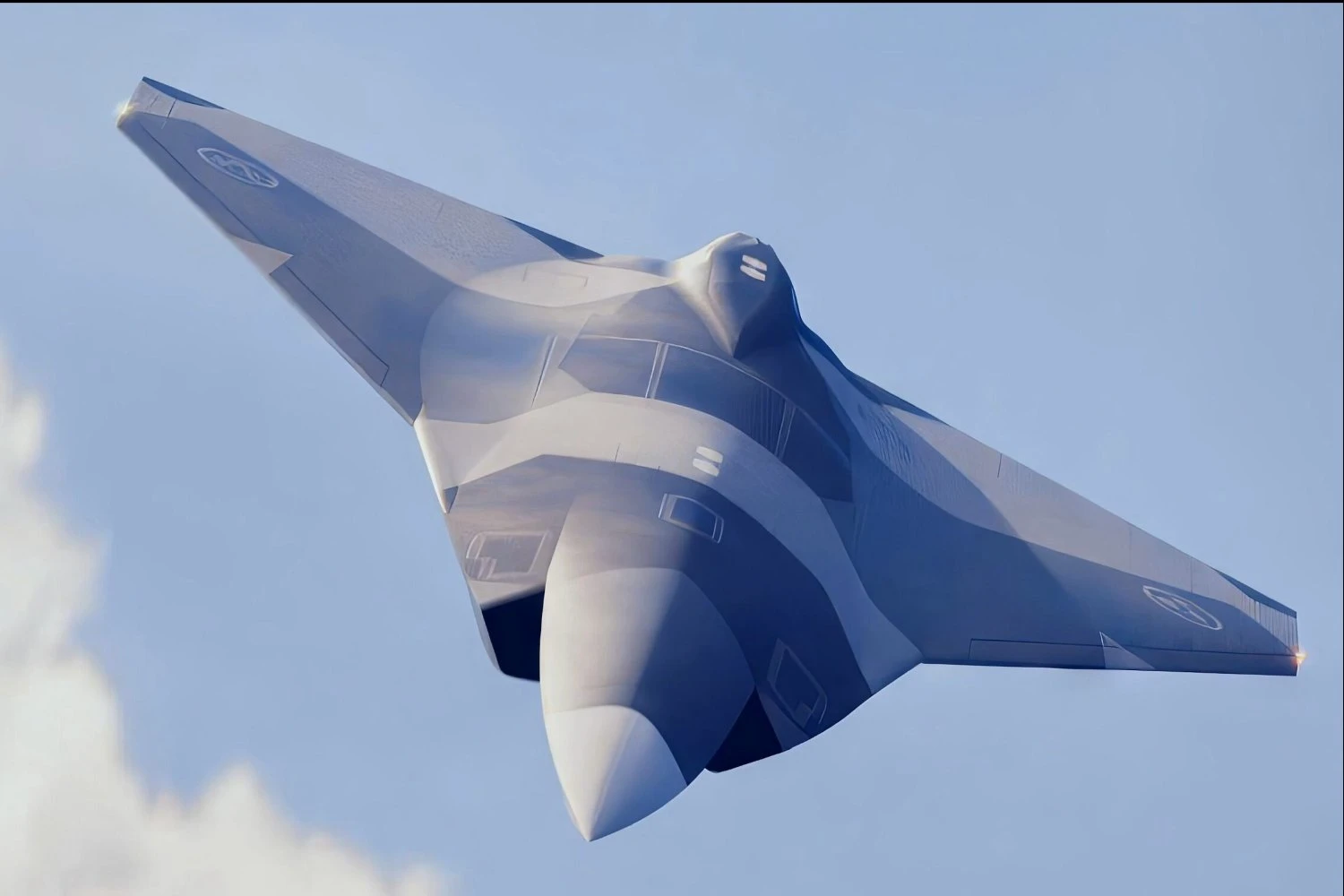
The end of FCAS therefore appears less like the conclusion of Europe’s next-generation fighter story than the beginning of a new phase. Airbus is exploring alternatives, Leonardo is inviting new partners into GCAP, Saab finds itself in an increasingly influential position, and Dassault must decide whether it can finance a Rafale successor largely on its own.
