


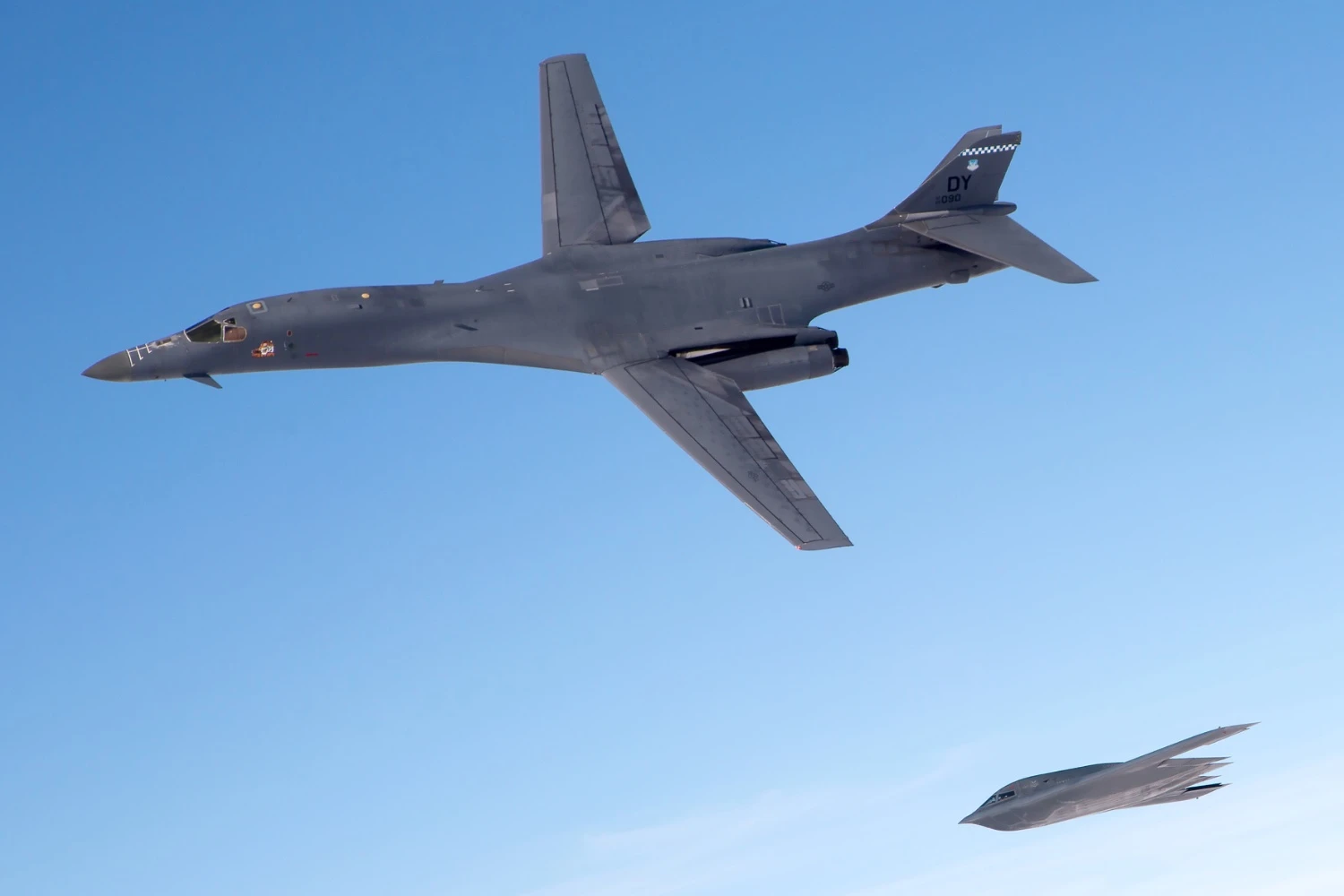
The United States Air Force (USAF) is preparing to keep its aging Rockwell B-1B Lancer and Northrop Grumman B-2 Spirit fleets in service longer than previously planned.
The move marks another reversal in recent retirement plans as the service struggles to balance current operational demand with the gradual arrival of the Northrop Grumman B-21 Raider, according to budget documents first reported by Air & Space Forces Magazine.
The Air Force currently operates 44 B-1 bombers and a fleet of 19 B-2 aircraft, both of which had previously been expected to retire in the early 2030s as the B-21 entered service.
Budget documents show the service intends to spend about $342 million on upgrades for the B-1 fleet between fiscal years 2027 and 2031, with the goal of keeping the bomber operational through 2037.
The Air Force is also planning a much larger $1.35 billion investment in the B-2 over the same period, although officials have not disclosed a new retirement timeline for the stealth bomber.
Instead of transitioning quickly to a two-bomber fleet built around the B-21 and the re-engined Boeing B-52J Stratofortress, the service now appears set to operate four bomber types simultaneously for longer than expected.
The B-21 is expected to enter operational service in 2027 at Ellsworth Air Force Base, but production ramp-up is expected to take years, forcing the Air Force to preserve existing strike capacity.
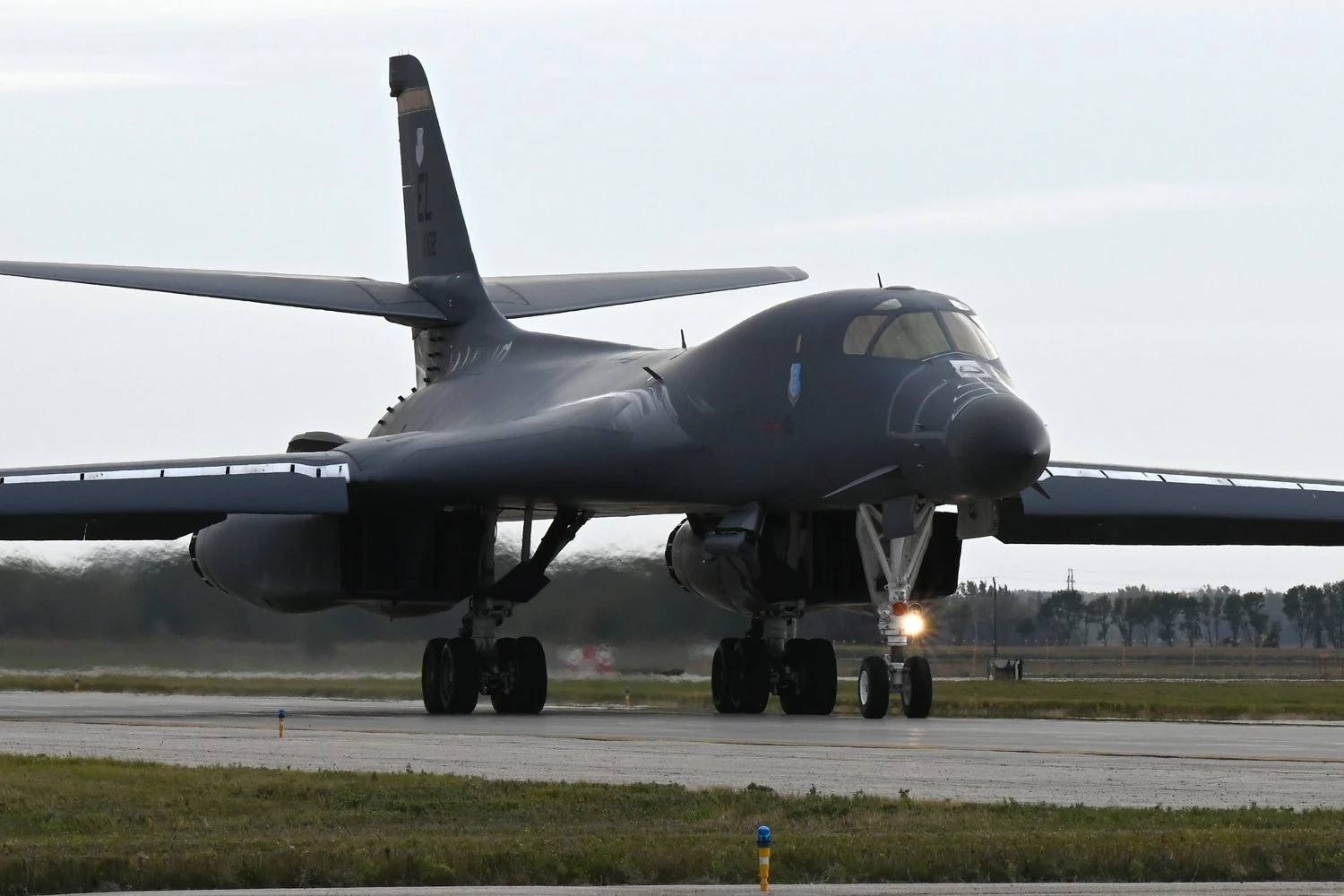
The B-2 remains the service’s only operational stealth bomber capable of carrying nuclear weapons until the B-21 becomes available in larger numbers.
The B-1, while no longer nuclear-certified, remains the Air Force’s largest conventional weapons carrier and continues to play a role in long-range strike missions.
Recent combat operations appear to have influenced the decision. B-2 bombers were used during strikes on Iranian nuclear facilities in 2025, deploying Massive Ordnance Penetrator bombs that only the stealth aircraft can carry.
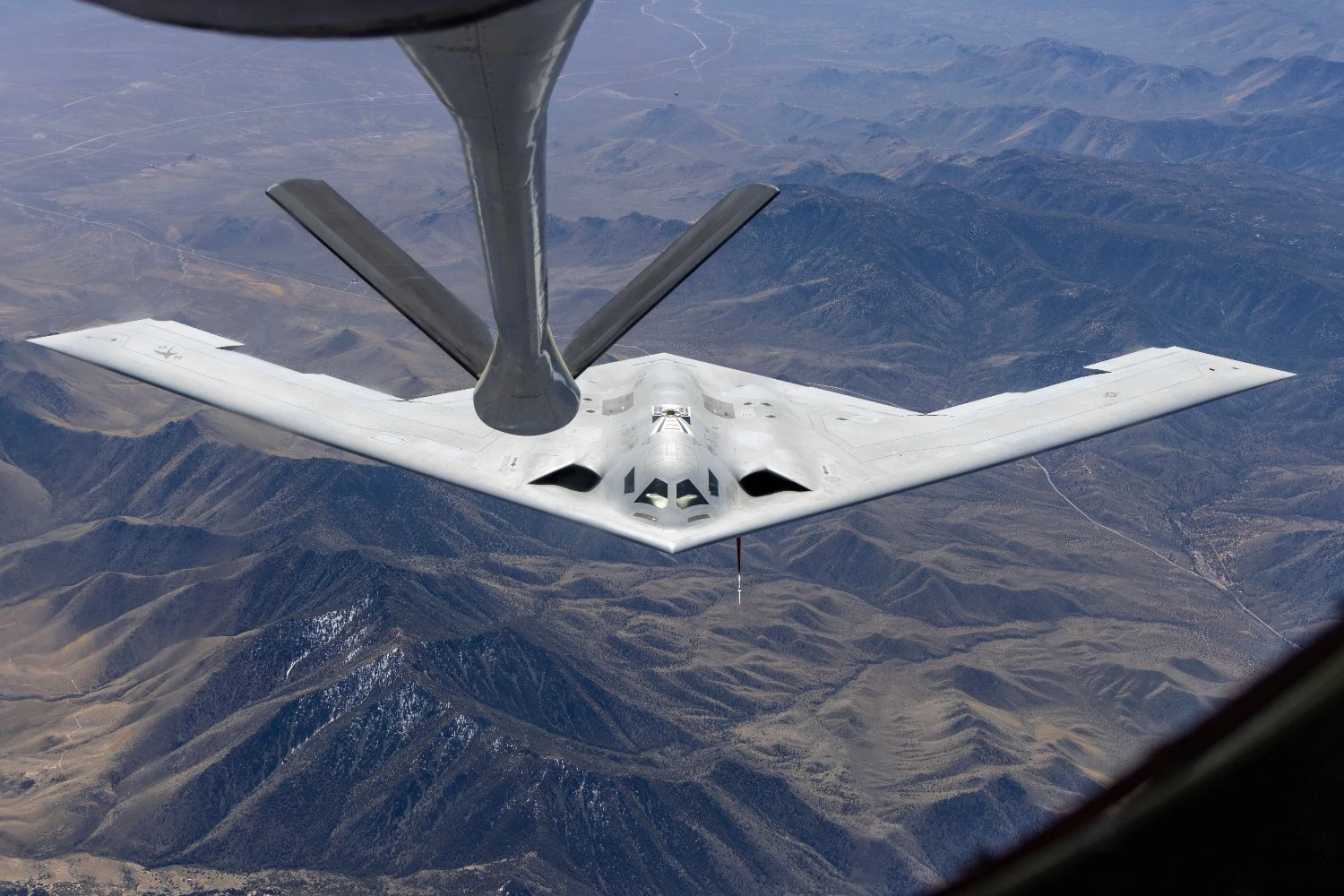
All three current bomber fleets also participated in later operations involving Iran, reinforcing concerns that retiring aircraft too quickly could create capability gaps.
The move follows another recent reversal involving the Fairchild Republic A-10 Thunderbolt II, which the Air Force also decided to keep in service for longer after previously accelerating retirement plans.
