


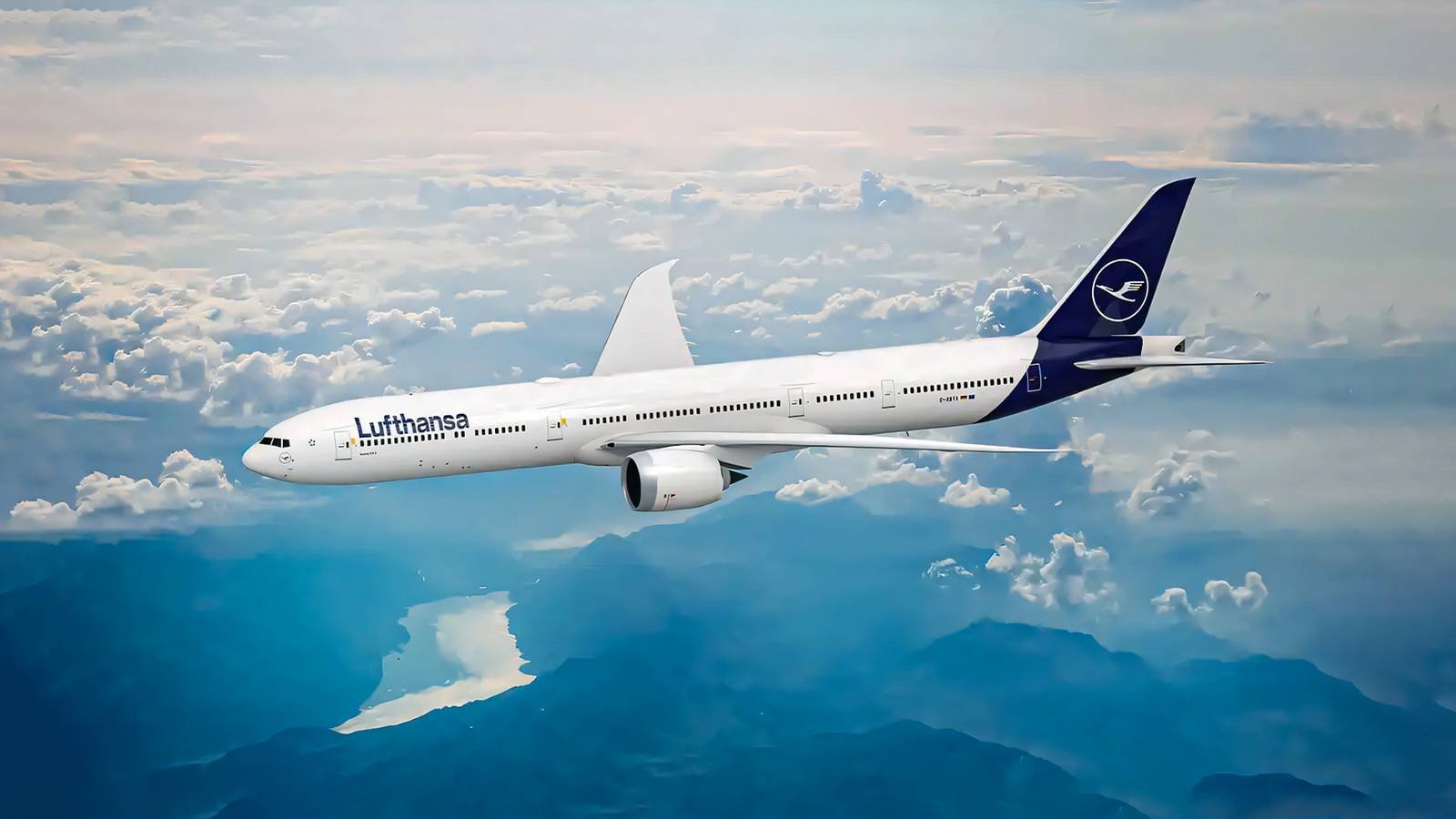
For years, discussion surrounding the Boeing 777X has focused on delays, certification setbacks, and Boeing’s broader struggles following the Boeing 737 MAX crisis. Yet framing the latest schedule slip as simply another Boeing delay misses the central issue. The real story is ETOPS certification, a specialized regulatory process that governs how far a twin-engine aircraft can fly from a diversion airport and which ultimately determines whether a long-haul aircraft can perform the missions airlines actually bought it to fly.
The 777X program, launched in 2013 as the successor to the highly successful Boeing 777-300ER, was originally expected to enter service in 2020. Instead, the aircraft is now expected to receive certification in 2027. FAA Administrator Bryan Bedford recently indicated that certification of the 777X will follow the 737 MAX 7 and MAX 10, pushing approval into next year. At the same time, Boeing CEO Kelly Ortberg acknowledged that while the primary flight test campaign should conclude by the end of 2026, ETOPS testing will continue into 2027 and become the critical path for certification. The aircraft has accumulated thousands of test hours, completed extensive systems evaluations, and moved through major certification milestones. However, until ETOPS approval is secured, the aircraft cannot fully operate the ultra-long-haul routes that form the foundation of its business case. Understanding why requires a closer look at the certification process, regulatory priorities, and the growing consequences for airlines waiting for the world’s newest large twin-engine jet.
ETOPS Is The Real Hurdle

Extended-range Twin-engine Operational Performance Standards, commonly known as ETOPS, is one of the most demanding certification requirements for modern long-haul aircraft. The rules exist because twin-engine jets routinely cross oceans, polar regions, and remote areas where diversion airports may be several hours away. ETOPS certification is not merely a paperwork exercise. Regulators must verify that the aircraft, its engines, systems, maintenance procedures, and operational reliability meet stringent standards before airlines can conduct flights far from suitable diversion airports. For an aircraft such as the 777-9, ETOPS approval is essential because its primary missions involve long-haul routes connecting continents and remote regions across oceans.
Ortberg made the importance of this process clear when he stated that the flight test program should be completed by the end of 2026 “with the exception of ETOPS,” adding that ETOPS testing would extend into the following year. He described ETOPS as the final major test phase for a twin-engine widebody aircraft, underscoring its role as the last gate before certification. This explains why headlines suggesting the aircraft has effectively completed testing can be misleading. Completing the majority of a flight test campaign is not the same as obtaining approval for the operational missions airlines intend to fly. A 777-9 delivered without ETOPS authorization would have limited practical value because operators could not immediately deploy it across many of their most important long-haul networks.
As a result, ETOPS has become the single longest pole in the certification tent. Even if all other major testing requirements are satisfied, the aircraft cannot enter meaningful commercial service until regulators complete their assessment of long-range operational reliability.
FAA Certification Queue

The timing of the 777X delay is also influenced by the FAA’s broader certification workload. Since the 737 MAX accidents and subsequent regulatory reforms, certification scrutiny has increased significantly. Regulators are conducting more direct oversight and applying a more rigorous review process across Boeing programs. Bedford confirmed this reality when discussing the FAA’s certification priorities. According to his remarks, the agency expects to certify the 737 MAX 7 first, followed by the MAX 10, with the 777X coming afterward in 2027. This effectively places the widebody program behind two other major Boeing certification efforts.
The sequencing matters because Boeing’s flight test resources and FAA certification teams are not unlimited. Ortberg acknowledged that Boeing uses a common flight test organization across multiple aircraft programs. Resources dedicated to completing the MAX 7 and MAX 10 certification campaigns cannot simultaneously be devoted entirely to the 777-9. Once those programs are completed, additional personnel can be redirected toward the widebody effort.
This dynamic reflects a broader shift in regulatory culture. Following intense scrutiny of Boeing’s certification practices, regulators have become far more cautious about delegating responsibilities and approving complex aircraft programs. While this approach may extend timelines, regulators view it as necessary to restore confidence in the certification process. Consequently, even though the 777X continues to make progress in testing, its schedule is influenced by certification priorities that extend beyond the aircraft’s technical readiness.

Why FAA Pilots Flying The Boeing 777X For The 1st Time Changes Everything
FAA pilots independently review the aircraft as one integrated system.
A Delayed Program Finally Hits Some Milestones

The magnitude of the delay becomes clear when viewed against the program’s original timeline. Boeing launched the 777X in 2013 with strong market support. Airlines were attracted by promises of improved fuel efficiency, lower operating costs, advanced composite wings, and greater passenger capacity compared with earlier 777 variants. Entry into service was initially targeted for 2020. Under the latest timeline, certification is now expected in 2027. That represents roughly fourteen years between program launch and commercial service, an unusually long period for a derivative aircraft based on an already established platform. Industry observers have noted that this delay effectively doubles the original development timeline.
Several factors contributed to this outcome. Certification requirements became more demanding after the MAX crisis; technical challenges emerged during development; the pandemic disrupted global airline planning assumptions; and Boeing faced manufacturing, regulatory, and engineering challenges across multiple programs simultaneously. The company previously recorded a multibillion-dollar charge associated with the program’s delays, reflecting the financial consequences of a prolonged development cycle. Meanwhile, aircraft originally expected to enter airline service years ago remain in storage awaiting certification.
Recent milestones demonstrate that progress continues. Boeing recently received approval to proceed with an important phase of Type Inspection Authorization testing, a major certification step involving direct FAA participation. However, these advances do not eliminate the remaining ETOPS requirements that continue to determine the ultimate entry-into-service timeline. The result is a program that appears technically mature in many respects but cannot begin commercial operations until the final regulatory hurdles are cleared.
Airlines Are Paying A Growing Price for the Delay

For airlines, the continued postponement creates challenges that extend well beyond scheduling inconvenience. Launch customer  Lufthansa ordered twenty 777X aircraft in 2013 and has spent more than a decade waiting for deliveries. Under current expectations, the carrier may not receive operational aircraft until approximately fourteen years after placing its original order. That is an extraordinary delay for a fleet planning decision.
The impact becomes even larger when considering Boeing’s broader customer base. Emirates remains the largest customer, with 270 aircraft across the 777X family on order. Qatar Airways and Cathay Pacific also built long-term fleet strategies around the aircraft’s arrival. The repeated schedule revisions have forced each carrier to revisit assumptions about capacity growth, retirement plans, and network development. Airlines generally plan fleet transitions years in advance. Aircraft retirements, crew training, maintenance investments, financing arrangements, and route launches are all interconnected. When a flagship aircraft arrives seven years later than expected, those plans must be repeatedly rewritten.
Many operators have responded by extending the service lives of existing aircraft. Older 777-300ER fleets that were expected to be retired remain active. Some carriers have delayed the retirement of Airbus A380 aircraft, while others have accelerated purchases of alternative aircraft types, such as the Airbus A350, to meet expected capacity requirements. Cabin strategy has also been affected. Airlines often develop new premium products around the introduction of a new aircraft type. Several carriers that initially intended to unveil next-generation cabins on the 777X have instead installed those products on other aircraft because waiting for the Boeing jet became impractical. These adaptations allow airlines to maintain network growth, but they frequently involve additional costs and operational complexity. The longer the certification process continues, the greater the cumulative impact on fleet planning decisions across the industry.

Confirmed: Boeing 777X To Enter Service In 2027 After 7-Year & $15 Billion Delay
Boeing says the long-delayed aircraft remains on track for Lufthansa service in 2027.
ETOPS Approval Matters More Than Certificate Itself

A common misconception is that certification alone marks the finish line for a new aircraft program. In reality, the type of certification matters. For a narrowbody aircraft operating domestic routes, initial certification can often provide immediate commercial utility. For a long-haul twin-engine aircraft like the 777-9, the situation is different. Its value depends heavily on operating routes that require significant ETOPS authorization.
Airlines plan to use the 777-9 on routes linking North America, Europe, Asia, the Middle East, Australia, and other distant markets. Many of these flights traverse vast oceanic or remote regions. Without ETOPS approval, airlines would face severe operational limitations and would be unable to use the aircraft as intended. That is why Ortberg indicated that customers generally want ETOPS testing completed before accepting deliveries. Airlines are purchasing the aircraft for long-haul missions, not for limited interim operations. Delivering aircraft before obtaining full operational clearance would provide little benefit to most customers.
From a regulatory perspective, this caution is understandable. ETOPS certification is fundamentally about demonstrating reliability under conditions in which engine failures, system malfunctions, and diversions could have far greater consequences because of the aircraft’s distance from suitable airports. The 777 family has historically been regarded as one of the industry’s most reliable long-haul aircraft. Nevertheless, regulators still require the 777X to demonstrate compliance independently. Past performance of earlier variants cannot substitute for certification evidence on a substantially updated aircraft featuring new systems and the GE9X engine. In practical terms, this means the final stages of certification may take longer than many observers expect, because they focus not merely on whether the aircraft flies, but on whether it can safely and consistently perform the world’s most demanding long-distance missions.
Concluding Thoughts

The Boeing 777X’s inability to enter service before 2027 is often portrayed as another chapter in Boeing’s long history of program delays. While schedule slips certainly play a role, the central issue is more specific. The aircraft’s remaining obstacle is ETOPS certification, the rigorous process that determines whether a twin-engine airliner can safely conduct the long-haul flights for which it was designed.
For airlines, fleet plans have been rewritten, aircraft retirements postponed, and alternative investments accelerated. Yet from a regulatory standpoint, the delay reflects the industry’s determination to verify long-range reliability before placing a new flagship aircraft into service. Ultimately, the 777X is no longer waiting primarily because it cannot fly. It is waiting because regulators must be convinced that it can safely fly anywhere in the world, for hours at a time, on the routes that define modern long-haul aviation. That distinction explains why the final stretch of certification has become the longest one.
