


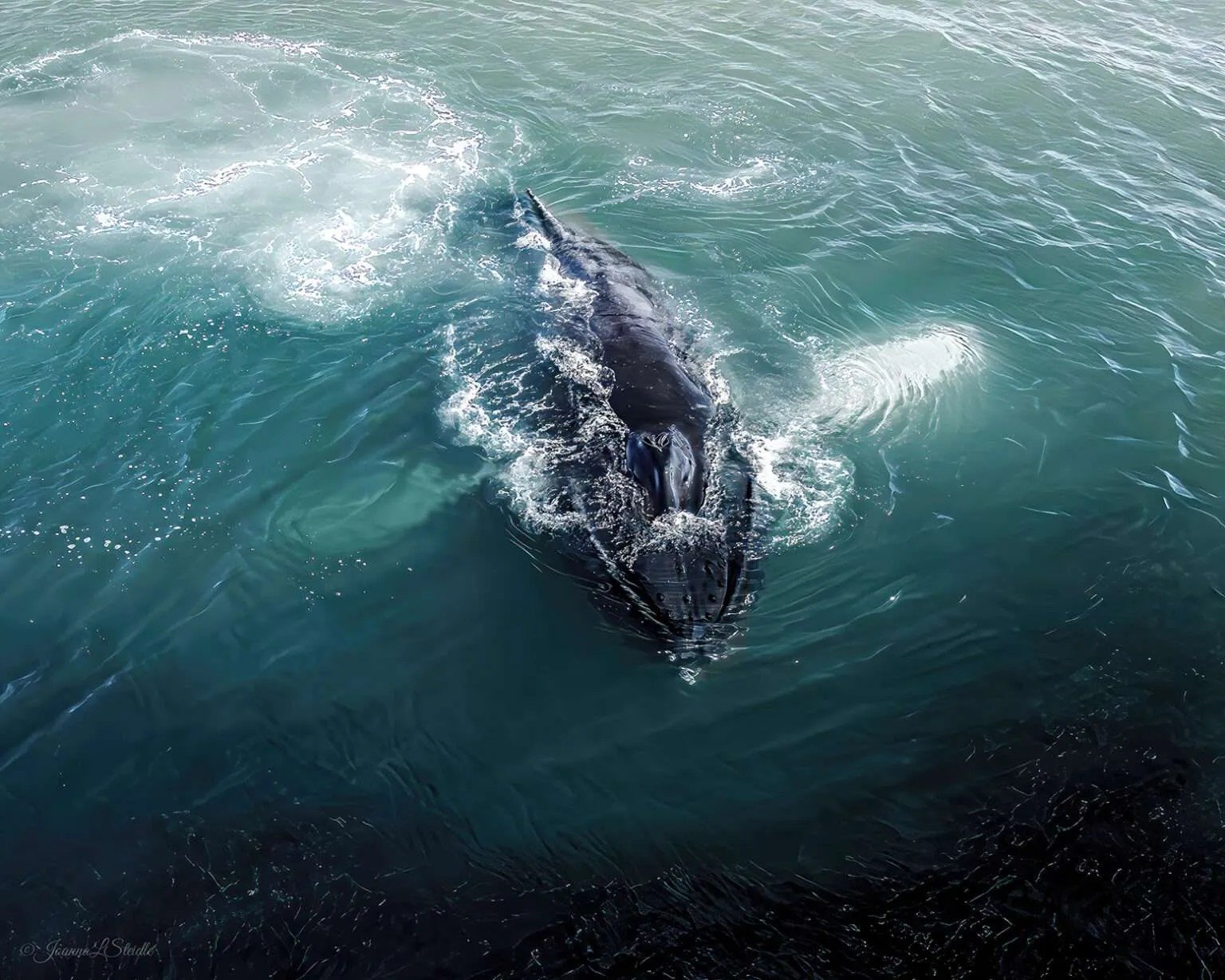
I recently heard that whale breath smells like cheese. I have no idea if that’s true or not, but drones are helping us learn a lot more about whale breath than we ever knew before.
That’s due to work done by the San Diego Zoo Wildlife Alliance, which won the Academia & Research category at SPH Engineering’s Global Drone Operations Awards 2026 for using custom 3D-printed mounts and thermal drones to sample wild orcas. Working alongside the SeaDoc Society at the UC Davis School of Veterinary Medicine, NOAA Fisheries’ Northwest Fisheries Science Center, and the Center for Whale Research, the team executed a field campaign in Washington State’s Salish Sea.
Their mission? Collect exhaled breath droplets (yes, whale snot!) and radiometric thermal data from critically endangered Southern Resident killer whales without invading their space or causing behavioral distress.
I first started writing about the concept of a Snot Bot (aka a drone that flies over whales to collect their snot) way back in 2015, and again in 2016. The premise is simple. In the past, researchers collected biological samples from wild whales using invasive biopsy darts or steering a motorboat within 25 feet of a whale to hold out a giant handheld pole. In addition to being physically dangerous for researchers and invasive to the whales, it would also put the research itself at risk, as close vessel approaches could disturb foraging patterns that scientists would want to understand.
It’s proven to be a useful method of studying whales. And unsurprisingly, the tech has evolved over the past decade, so much that projects are still winning awards for innovation. Here’s the latest with the San Diego Zoo’s SnotBot:

The tech behind this new and improved SnotBot
The San Diego Zoo Wildlife Alliance’s multi-sensor drone setup is built around an enterprise quadcopter airframe using the following parts:
| Hardware component | Function and specifications |
| Custom 3D-Printed Sampling Array | Mounted above the aircraft (out of prop wash) with 4 petri dishes & 4 slides |
| Radiometric Thermal-Infrared Sensor | Aligned with visual camera to capture blowhole & surface temperatures |
| RGB Optical Camera | Provides position context, exhalation tracking, & whale identification |
One thing that you’ll notice is a bit different with this design versus other SnotBots is the placement of the collection tray. By mounting the 3D-printed collection tray above the drone rather than beneath it, wind-tunnel testing confirmed that the sampling dishes would catch falling breath droplets without propeller wash blowing the sample away.


The drone also carries an aligned radiometric thermal sensor to capture blowhole temperature readings during the exact same pass, which gives researchers real-time thermal data linked directly to the biological sample.
How flights worked, step-by-step
Deployed from a rolling research vessel in the Salish Sea, the flight team followed a strict operational protocol under National Marine Fisheries Service (NMFS) permit #21348. Here’s what their process involved:
- Target identification: The pilot launches the drone from the vessel and identifies the focal whale from altitude.
- Downwind positioning: The pilot positions the aircraft behind and downwind of the whale, matching its swimming speed.
- Plume interception: As the whale surfaces and exhales, the pilot flies the drone through the exhaled breath plume, allowing the top-mounted petri dishes and glass slides to catch aerosolized droplets.
- Recovery and extraction: The drone flies back to the boat for immediate sample recovery, where lab technicians check the slides for visible droplets.
Across 35 flights over Southern Resident and Bigg’s killer whales, the team successfully gathered 19 breath samples.
And going back to the bit about drones being far less disruptive than a boat coming right up to a whale. Independent video review of 1,133 observation segments showed “rare and extremely mild” behavioral responses from the whales, according to a white paper published to SPH Engineering’s website. The white paper also noted that —during the actual breath-collection phase —researchers observed zero behavioral disruptions, allowing the research boat to stay significantly farther away than the 25-foot limit required by traditional pole sampling.
5. Data analysis: Back in the lab, researchers extracted DNA and analyzed the microbial communities (microbiome) present in the exhaled droplets, matching them to a panel of 68 genetic markers to identify individual whales.


The data revealed that bacterial communities in killer whale breath differ significantly from the surrounding seawater, confirming that drone-collected snot offers a reliable indicator for tracking respiratory pathogens, immune health and genetic profiles over time. Paired with sub-degree blowhole thermal readings, the drone-gathered data is allowing scientists to build comprehensive health profiles for individual whales across their lifespan. Whether their breath truly smells like cheese, though, remains to be seen.
What do you think of this “SnotBot” evolution? Let me know in the comments below!
Related
Discover more from The Drone Girl
Subscribe to get the latest posts sent to your email.
