


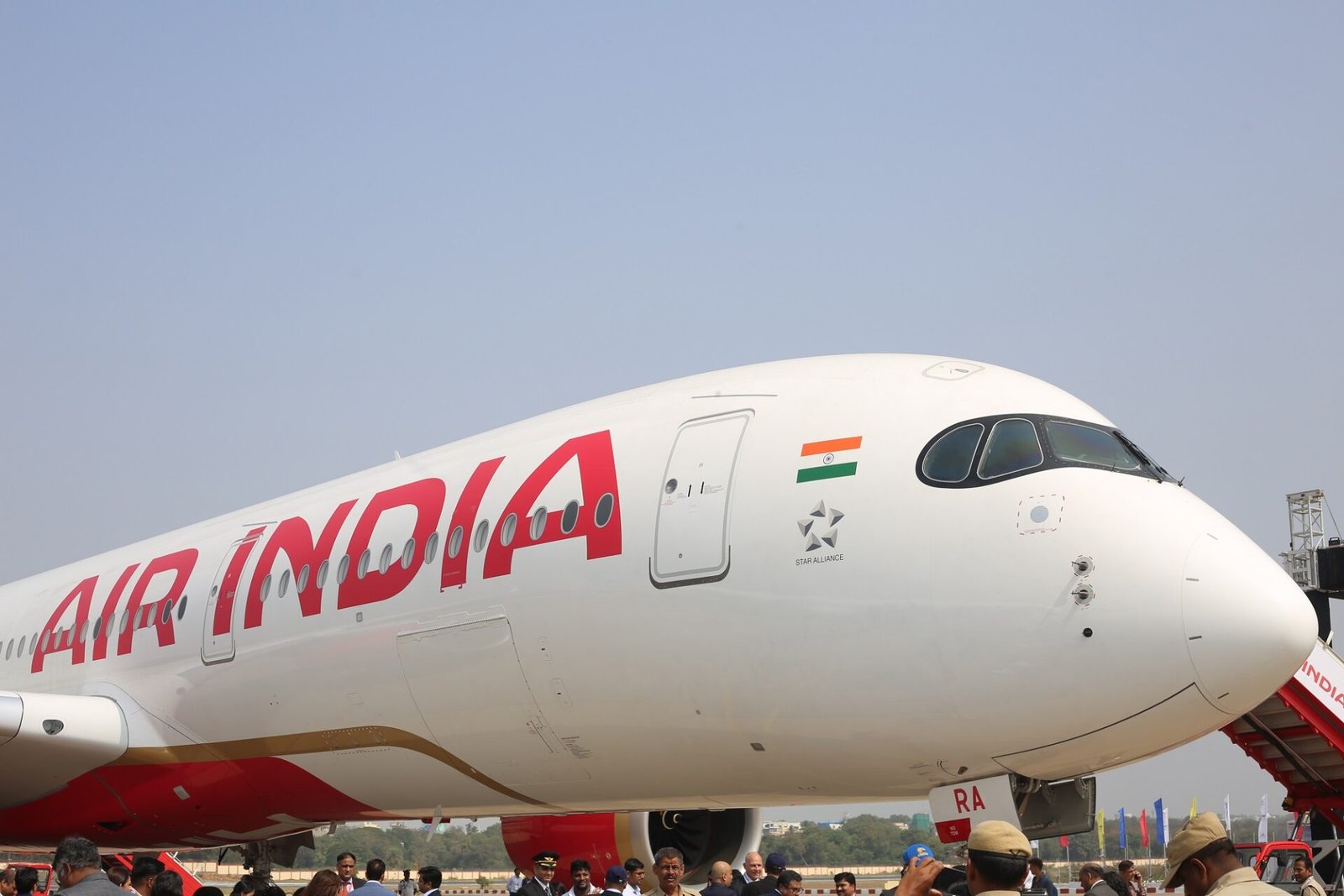
Air India Group posted a $2.8 billion annual loss in the year ended March 31, 2026, underscoring the scale of the challenge facing Tata Group as it works to rebuild the airline into a global competitor.
The loss comes during one of the most ambitious airline turnarounds in the world. Since taking control of Air India in 2022, Tata has ordered hundreds of new aircraft, merged Vistara into Air India, started upgrading cabins and systems, and moved to restore the carrier’s reputation after decades under government ownership.
But the airline continues to face a difficult operating environment. Air India has been dealing with higher fuel costs, supply chain constraints and airspace restrictions that have made some international routes longer and more expensive to operate.
Pakistan’s airspace ban on Indian carriers has particularly affected Air India’s long-haul network to Europe and North America. Some flights now require longer routings, adding time, fuel burn and complexity.
The Middle East conflict has also disrupted parts of the airline’s international network. Those challenges have come as foreign carriers continue to compete aggressively for traffic to and from India, one of the fastest-growing major aviation markets in the world.
Air India has not yet issued a separate public earnings release for the year. The loss was disclosed on May 14, 2026, by Singapore Airlines, which owns 25.1% of Air India following the merger of Air India and Vistara.
Singapore Airlines said it had to account for its share of Air India’s full-year losses in its own results. The carrier has described India as an important long-term market and has not signaled any retreat from its investment.
For Air India, the loss highlights the gap between the long-term promise of its transformation and the near-term cost of getting there. The airline has a major fleet renewal plan underway, but the benefits of new aircraft, upgraded cabins and a more efficient operation will take time to show up across the network.
The carrier is trying to modernize while still operating a complex mix of aircraft, legacy systems and inherited costs. That makes the turnaround more than a branding exercise. Air India must improve reliability, product quality, fleet efficiency and customer trust while competing with both Gulf carriers and fast-growing Indian rivals.
The $2.8 billion loss does not mean the turnaround has failed. But it shows how expensive and difficult the rebuild remains.
