


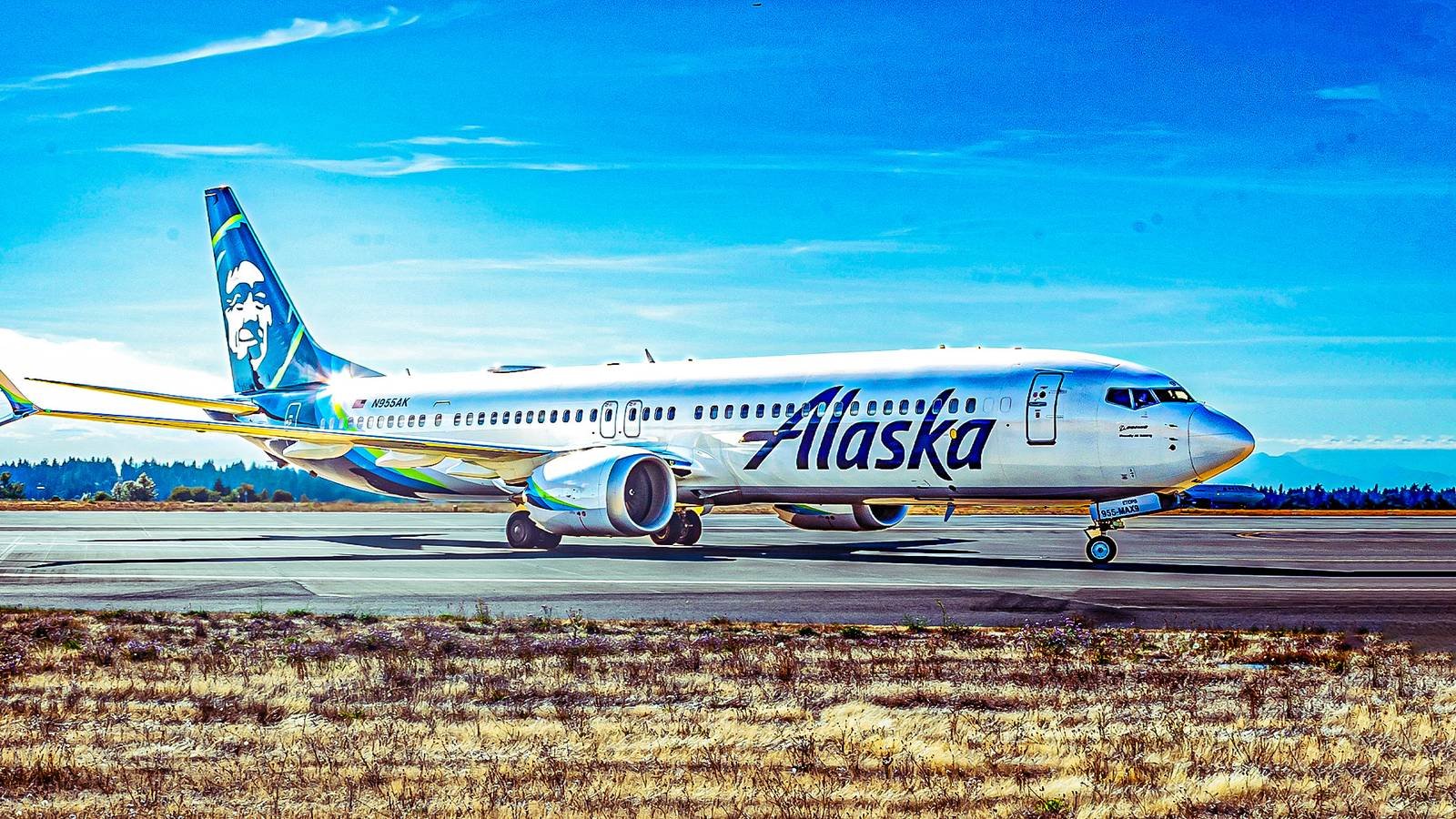
An Alaska Airlines lawsuit has put one of the most ordinary parts of the in-flight experience under an uncomfortable spotlight: the hot drink service. According to a complaint highlighted by People, the parents of an 8-year-old girl are suing the airline, alleging that their daughter suffered severe burns and permanent scarring after hot tea spilled on her during a November 2022 flight from  Boston Logan International Airport (BOS) to Portland International Airport (PDX).
On its own, the allegation is troubling enough. But the Alaska case arrives amid a run of recent lawsuits involving passengers — including multiple young children — who have been scalded by hot drinks onboard US airline flights. That gives the story a broader angle: whether cabin service procedures around hot beverages should face tougher scrutiny than airlines are typically used to.
Hot Tea, Severe Burns, And A Lawsuit

The Alaska case centers on Flight 811 from Boston to Portland on November 17, 2022. The lawsuit alleges that the 8-year-old girl was served an “un-lidded cup of hot tea,” and that another passenger then jostled her tray table, causing the drink to spill onto her legs, abdomen, and groin. The complaint alleges that “the pain was excruciating, and she immediately started screaming,” and then reportedly ran to the bathroom and “began vomiting due to the severity of the pain.”
The incident occurred shortly before landing, and the child was rushed to Emanuel Children’s Hospital in Portland where she was treated for severe burns. But the family alleges that the injuries have left the child with ongoing discomfort and permanent scarring, turning what might sound like a simple onboard accident into a much more serious long-term injury claim. That is what gives this case its punch: the allegation is not just that a drink spilled, but that a routine service moment left a young passenger permanently marked.
A local Rhode Island report adds more detail to the negligence claim. It says that the complaint alleges broader failures in training and supervision by Alaska Airlines around the safe handling of hot beverages, which led to multiple errors by the flight attendant when serving the drink:
“The flight attendant did not provide a cover, did not advise that the tray table needed to be cleared, and did not tell the family the drink should be placed in the tray table’s shallow drink divot.”
Other Major Airlines Facing Hot Drink Lawsuits

The Alaska lawsuit is not emerging in isolation. Another recent child-related case has already put similar allegations in the spotlight, with NBC reporting last month that  United Airlines was being sued after a 4-year-old girl was allegedly burned by uncovered scalding hot water on a flight from
  Newark Liberty International Airport (EWR) to Tel Aviv’s Ben Gurion Airport (TLV). According to reports, the cup had been handed to another child in the family before it spilled, allegedly leaving the girl with permanent injuries and scarring.
That case makes the Alaska story feel less like a one-off mishap and more like part of a wider pattern.  Southwest Airlines was also sued after a 4-year-old boy allegedly suffered second-degree burns when a flight attendant spilled boiling hot coffee on him during a flight.
  Delta Air Lines, meanwhile, has faced separate litigation over an adult passenger who alleges she suffered burns and permanent scarring after hot water spilled from a tray-table setup, although the airline disputes liability.
Airline | Year | Passenger | Alleged Cause | Alleged Injuries |
|---|---|---|---|---|
Alaska Airlines | 2026 | Child | Un-lidded hot tea spilled on the child | Severe burns and permanent scarring |
United Airlines | 2026 | Child | Uncovered scalding hot water spilled | Permanent injuries and scarring |
Southwest Airlines | 2025 | Child | Flight attendant spilled boiling hot coffee | Second-degree burns and scarring |
Delta Air Lines | 2024 | Adult | Coffee spilled on passenger during flight | Severe burns |
Frontier Airlines | 2024 | Adult | Scalding hot tea spilled on passenger | Third-degree burns and disfigurement |
JetBlue Airways | 2024 | Adult | Hot water spilled on passenger | Disfiguring burns |
American Airlines | 2024 | Adult | Coffee pot fell onto the passenger’s lap | Severe burns |
Put together, there are numerous incidents from just the past couple of years which suggest that hot liquids remain a surprisingly persistent source of onboard injury claims, with some cases suing for amounts as high as $1.5 million. The most striking detail is that three of the best-known cases involve children. That alone raises an awkward question for airlines: if these incidents keep happening to passengers, and children in particular are getting harmed, are current service routines really as safe as carriers assume?

Utah Family Sues Southwest Airlines After Flight Attendant Allegedly Spills Hot Coffee On 4-Year-Old Boy
The incident took place in September last year.
Hard Questions About Cabin Safety

The Rhode Island account of the Alaska lawsuit lays out exactly where the alleged safety breakdown occurred. The complaint reportedly points to several issues at once: no lid, no warning, no instruction about tray-table placement, and no clear guidance about how the drink should be handled. Those are practical service questions, not abstract legal ones.
That is what makes this more than a simple accident story. Cabins are full of obvious risk multipliers: tight spaces, shifting passengers, moving tray tables, narrow aisles, risk of turbulence, and very hot drinks served close to laps and bare skin. Add children into that environment, and even a routine beverage service can suddenly become much riskier than airlines may want to admit.
If airlines want to reduce the chances of similar incidents, there are several obvious areas they could tighten:
- Use lids as standard for all hot drinks, not only on request.
- Avoid handing very hot drinks directly to children or serving them without an adult clearly taking responsibility.
- Give a brief verbal warning when serving hot water, tea, or coffee, especially in cramped seating areas.
- Ensure tray tables are clear and stable before placing a drink down.
- Require drinks to be placed securely in the tray-table cup recess where available, rather than loosely on the flat surface.
- Pause service during moments of cabin movement or when passengers nearby are shifting in and out of seats.
- Train crews on immediate burn response, including what to do in the first few minutes after a spill.
That does not necessarily mean carriers are about to overhaul onboard drink service. But if continuign litigation like the Alaska Airlines lawsuit keeps piling up, airlines may face sharper scrutiny over whether some version of those steps should become part of cabin safety rules. For an airline, a cup of tea is a minor service detail. For passengers who are badly burned, scarred, or disfigured, it can define the rest of their life.
