


Boeing delivered 60 commercial aircraft in May, up from 45 aircraft in the same month a year earlier, according to data released by the manufacturer.
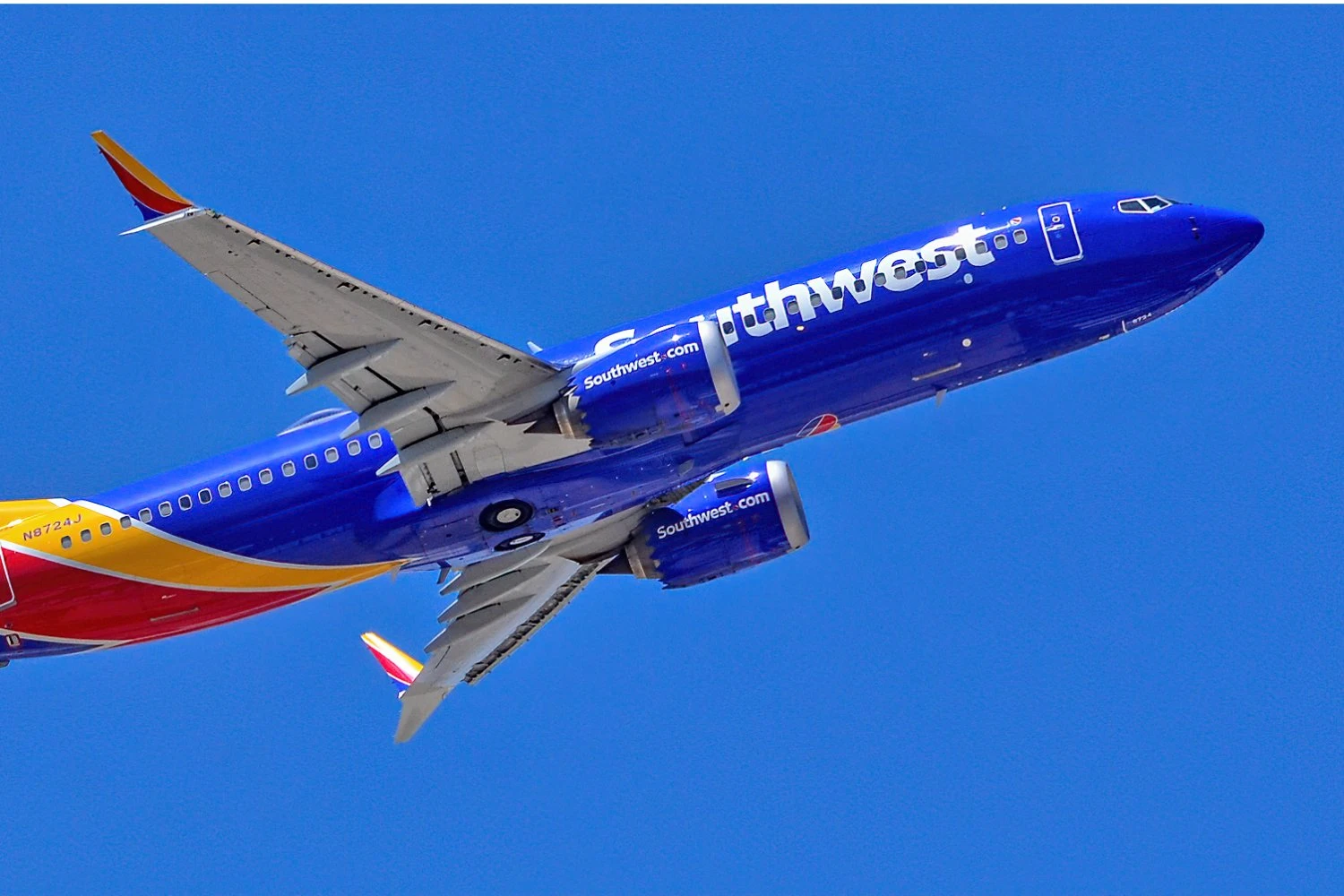
The increase was driven largely by the 737 MAX program, which accounted for 51 deliveries during the month, compared with 31 in May 2025. Boeing also handed over six 787-9 Dreamliners, one 767-300F freighter and one 777F cargo aircraft. Deliveries of the 777F were lower than a year earlier, when Boeing delivered five examples of the freighter.
The monthly figures continue a stronger performance for Boeing in 2026 after production disruptions and certification challenges affected deliveries in previous years.
Through the first five months of the year, Boeing delivered 250 commercial aircraft, compared with 220 during the same period in 2025, an increase of nearly 14%.
The 737 MAX remains the company’s main delivery driver. Boeing handed over 198 aircraft from the family between January and May, up from 164 during the same period last year.
Widebody deliveries have been relatively stable. Boeing delivered 27 Dreamliners through May, including 22 787-9s and five 787-10s, compared with 28 aircraft a year earlier. The company has not yet delivered any 787-8s in 2026, while one example had been handed over by this point in 2025.
Follow Air Data News: WhatsApp | Google News | Instagram | LinkedIn | Twitter | Facebook
The freighter market showed mixed results. Deliveries of the 777F fell from 16 aircraft in the first five months of 2025 to 12 this year, while 767-300F deliveries remained unchanged at five aircraft. Boeing also delivered six KC-46-based 767-2C aircraft through May, compared with four during the same period last year.
Overall, the figures indicate that Boeing’s delivery recovery continues to be led by the 737 MAX, with higher narrowbody output offsetting relatively stable widebody deliveries and lower volumes in some cargo aircraft programs.
Boeing’s delivery performance could strengthen further in the second half of the year as the company increases 737 MAX production from 42 to 47 aircraft per month. The higher rate was recently approved by the U.S. Federal Aviation Administration (FAA) and is expected to support additional deliveries as production stabilizes.
