


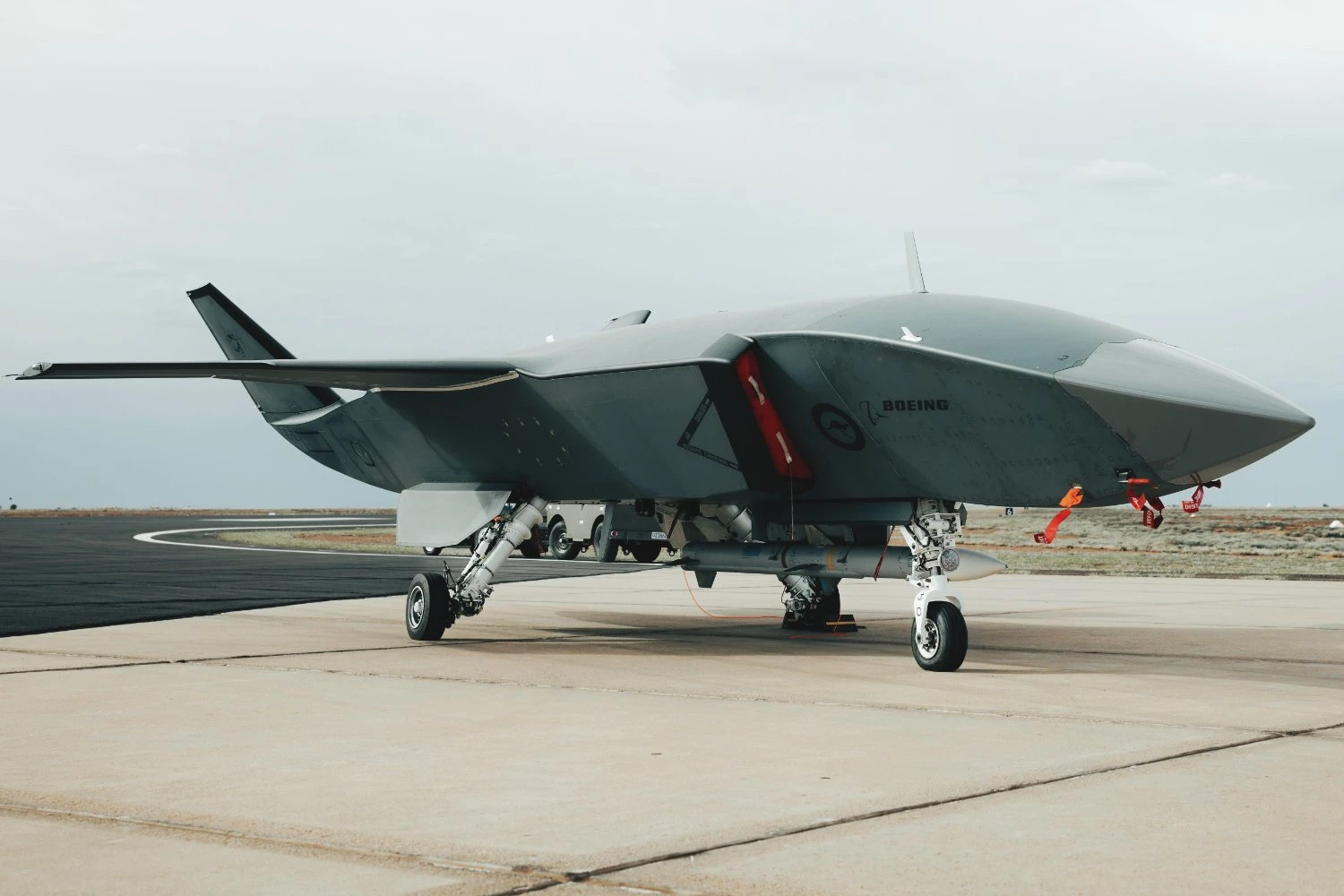
Boeing plans to offer the MQ-28 Ghost Bat to Japan as Tokyo prepares a new coastal defense network based heavily on unmanned systems.
Steve Parker, president and CEO of Boeing Defense, Space & Security, disclosed the plan in an interview with Nikkei published on September 2. According to the Japanese newspaper, Boeing is discussing the aircraft with the Ministry of Defense as the country prepares to introduce a new mix of unmanned aerial, surface and underwater systems.
The initiative is part of SHIELD, or Synchronized, Hybrid, Integrated and Enhanced Littoral Defense. Japan has allocated about ¥100 billion (US$677 million) in its fiscal 2026 budget to the program and plans to begin fielding the new architecture during fiscal 2027.
The MQ-28 would provide the airborne component of that network. Developed by Boeing Defence Australia in partnership with the Royal Australian Air Force, the aircraft was originally conceived to operate alongside crewed fighters and carry sensors, electronic warfare equipment and potentially weapons.
Follow Air Data News: WhatsApp | Instagram | LinkedIn | Twitter | Facebook
Its Australian origin makes the Japanese proposal unusual. Boeing is a US company, but the Ghost Bat was designed, developed and manufactured in Australia rather than emerging from a US Air Force combat aircraft program.
Australian project seeks foreign customers
The MQ-28 began as the Loyal Wingman program and has completed more than 150 flights. Boeing describes the aircraft as having an open and modular architecture that allows customers to integrate their own mission systems.
Japan already has some exposure to the program through defense cooperation with Australia. Japanese personnel have been allowed to participate in MQ-28 test activities, giving the Japan Air Self-Defense Force access to planning and evaluation work without transferring ownership of the aircraft or its technology.
The offer to Japan also comes as Boeing tries to turn the Australian program into an international product.
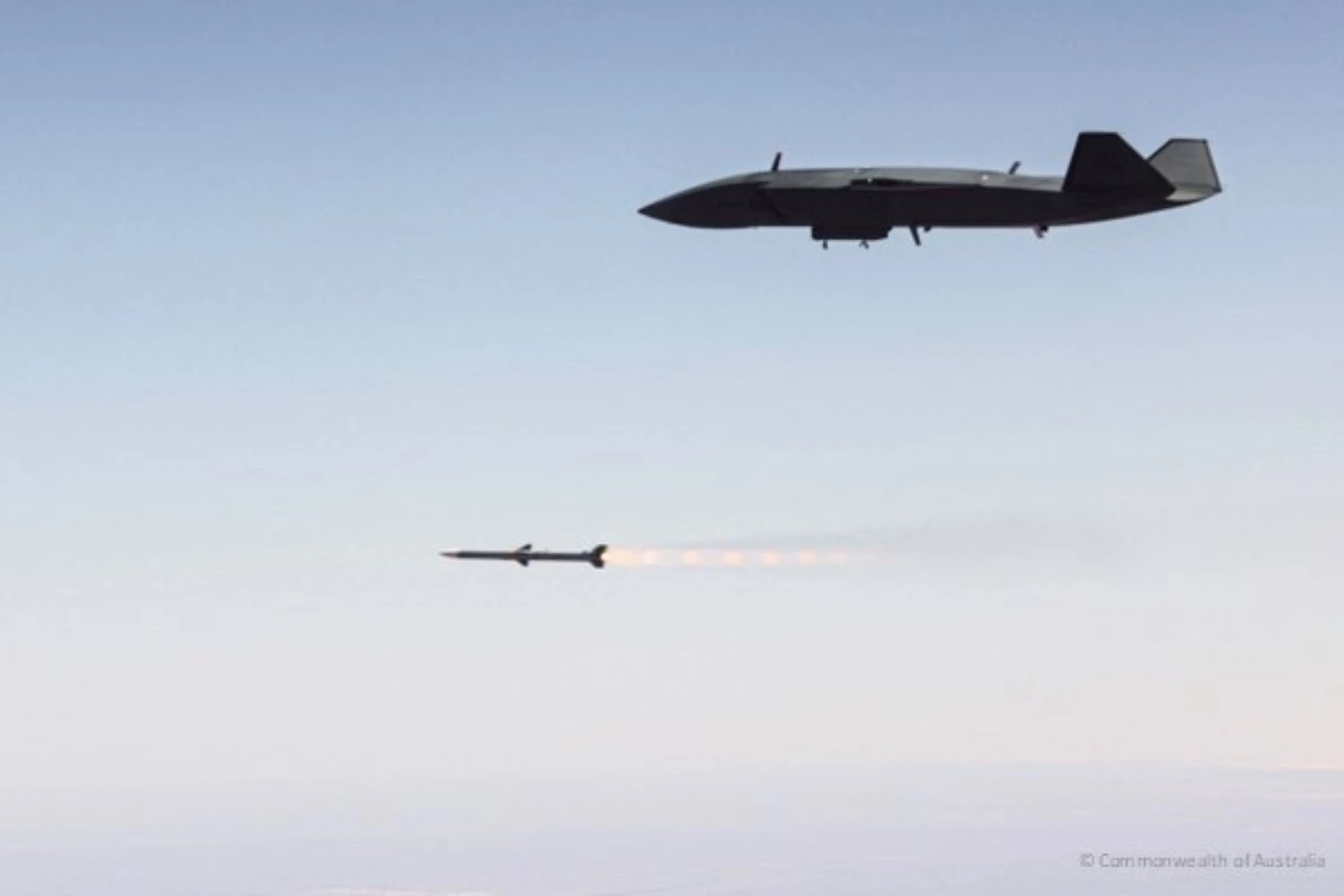
In March, Boeing Australia and Rheinmetall announced a partnership to offer the MQ-28 to Germany for a planned collaborative combat aircraft capability from 2029. Rheinmetall would act as system integrator, adapting the aircraft to German requirements and overseeing integration with Bundeswehr command and weapon systems.
The German team has since expanded to include companies such as Hensoldt, Diehl Defence and Rohde & Schwarz, allowing sensors, weapons and mission software developed in Germany to be incorporated into the aircraft.
Boeing and Rheinmetall have presented the existing flight-test program as an advantage over competitors that remain at earlier stages of development.
US Air Force tests Ghost Bat
The MQ-28 was not selected for the first phase of the US Air Force Collaborative Combat Aircraft program. That competition moved forward with aircraft developed by General Atomics and Anduril, now designated YFQ-42A and YFQ-44A. The US Air Force has nevertheless continued evaluating the Australian aircraft.
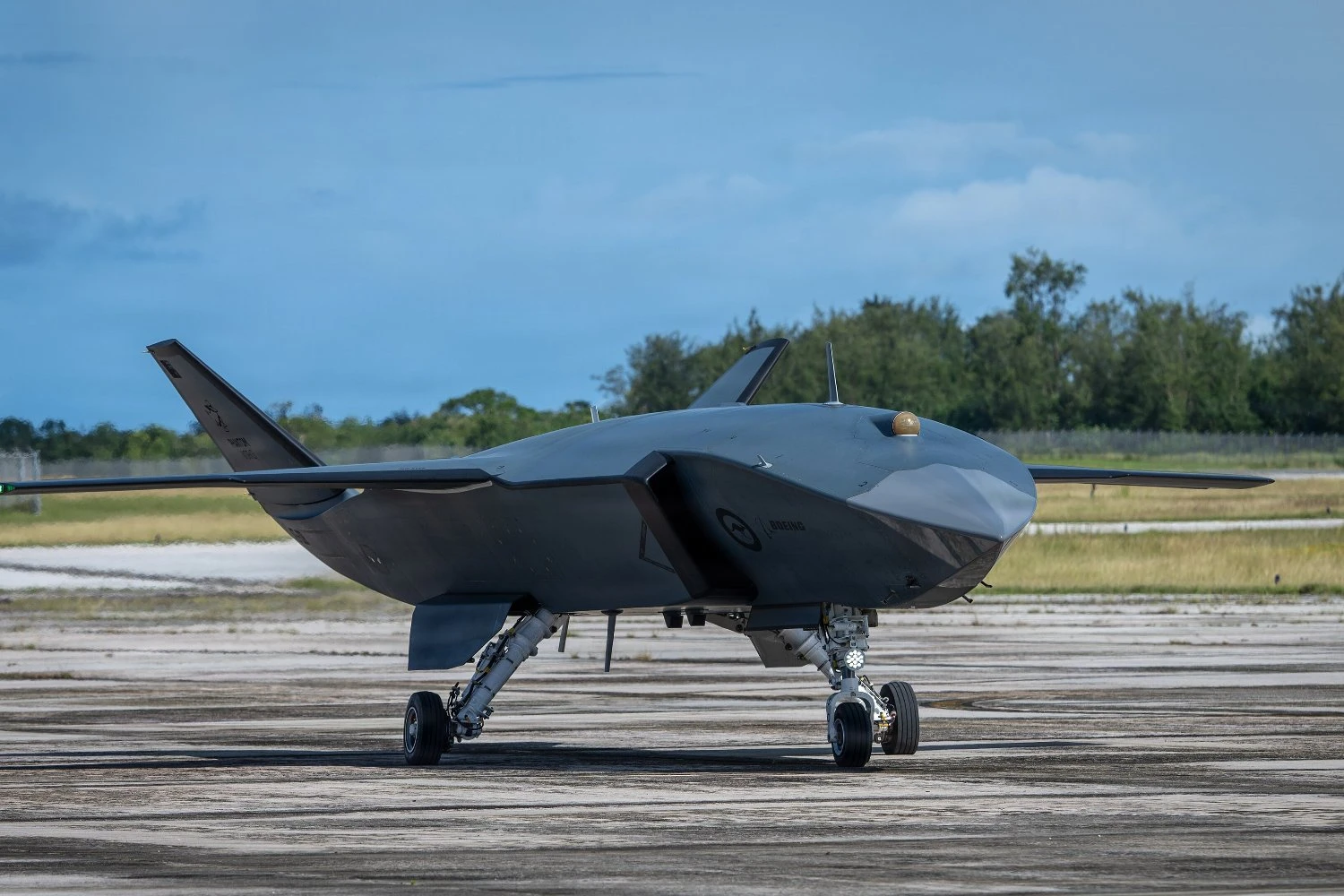
An MQ-28 participated in Exercise Valiant Shield 2026 in the Indo-Pacific, flying alongside US and allied aircraft including the F-35A, F-35B and F-15EX. Boeing said it was the first CCA to participate in a multinational joint-force exercise.
The US Air Force Experimental Operations Unit used the exercise to study deployment, sustainment, autonomous operations and integration with crewed combat aircraft. The evaluation did not place the MQ-28 back into the CCA Increment 1 competition but provided Boeing with experience operating the aircraft inside a US-led force.
Japan would use the Ghost Bat in a somewhat different environment. Rather than limiting the aircraft to a fighter wingman role, SHIELD is intended to combine different classes of unmanned systems with existing sensors and long-range weapons for coastal and island defense.
No Japanese selection has been announced. Nikkei also reported that Airbus is considering competing for part of the unmanned aircraft requirement, while Japanese and other foreign defense companies are seeking roles in the program.
