


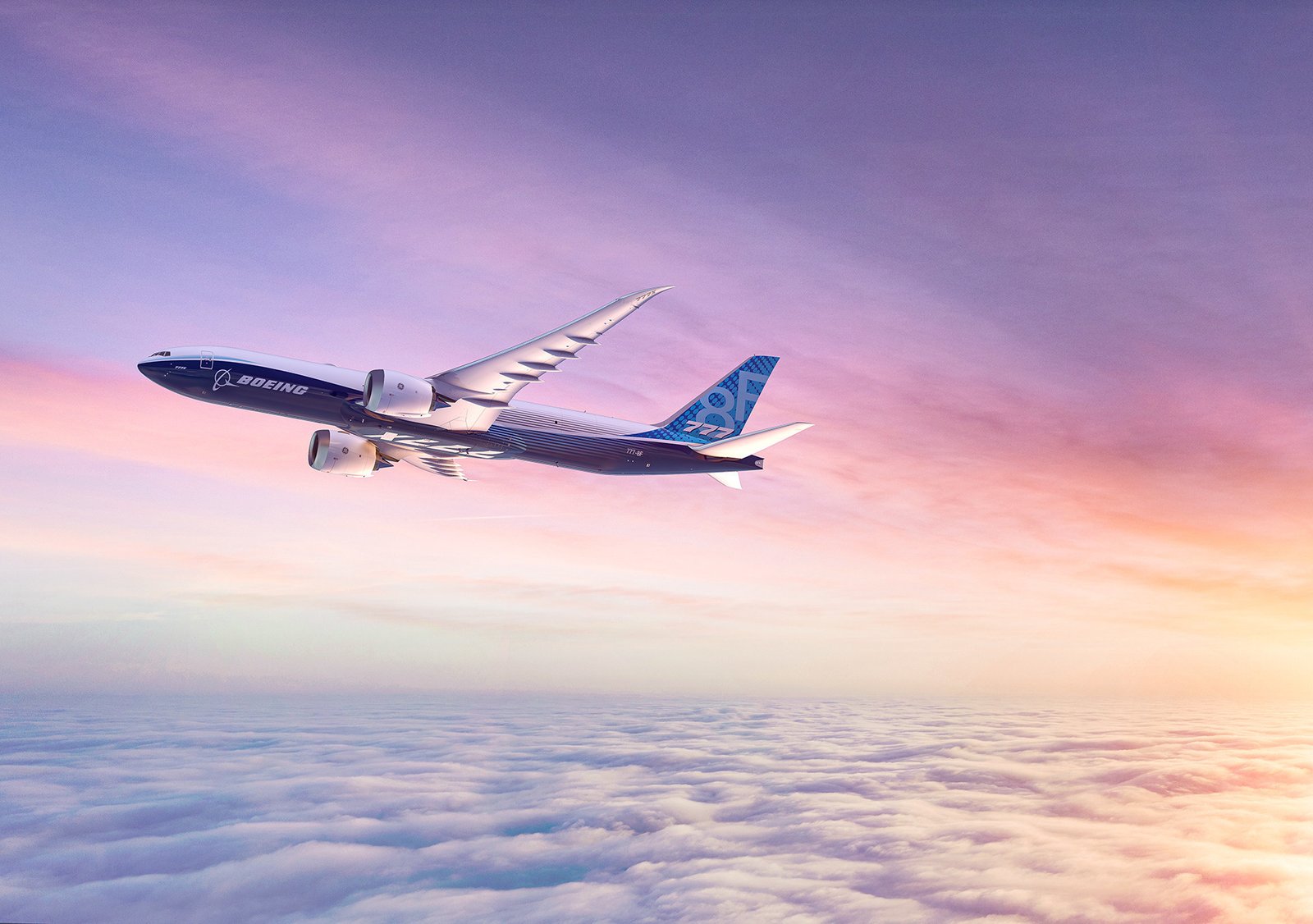
Boeing is expecting the world’s freighter fleet to exceed 4,000 aircraft by 2045, up on Airbus’ prediction released last week.
At the TIACA Air Cargo Forum taking place this week, Boeing said it expects freighter fleet requirements to be driven by a 3.5% average annual increase in air cargo demand. This compares with an average annual growth rate of 2.5% over the past 10 years.
The extra annual growth will be fueled by time-sensitive shipments for advanced manufacturing and AI hardware, diversifying supply chains and rising e-commerce volumes as carriers adapt route networks to shifting trade lanes and manage geopolitical disruptions, the aircraft manufacturer said.
Last year, cargo demand was up by more than 5%, Boeing pointed out.
As a result, Boeing’s World Air Cargo Forecast suggests the worldwide freighter fleet will increase 67% by 2045 from 2,395 in 2025 to 4,010 in 20 years’ time.
“Dedicated freighters are expected to carry more than half of global air cargo traffic in the long term,” Boeing said.
This means a total of 2,930 new and converted freighters over the next 20 years to support traffic growth and replace retiring aircraft.
About 55% of deliveries will add capacity; approximately 45% will replace older, less efficient freighters. Two-thirds of deliveries will be converted passenger aeroplanes (2,000) and the remainder will be new-production freighters (930).
Standard body freighters will make up 1,140 of the freighters delivered, medium-widebody is next with 915 and large widebody will make up 875 of the extra cargo aircraft.

“Air cargo’s adaptability and speed are strategic advantages enabling reliable transport, dynamic rerouting and critical support for evolving supply chains,” said Darren Hulst, Boeing vice president of commercial marketing.
“As global trade patterns change and demand for time-sensitive, high-value goods grows, dedicated freighters will remain essential to global commerce.”
Boeing added that it expects integrators to increase their market share over the coming 20 years from 16% to 24% as a result of growing demand for express services.

Airbus comparison
The size of the future freighter fleet predicted by Boeing is larger than what Airbus expects.
Last week, Airbus said it expects the worldwide fleet of dedicated freighter aircraft to increase by 46% from 2,360 in 2026 to 3,460 aircraft by 2045.
Airbus said there will be a requirement for 2,670 freighters, with 1,580 aircraft replacing scrapped older freighters and 1,090 required to meet demand growth.
Of the 2,670 freighters required, 1,140 will be single-aisle, 860 mid-size widebodies, and 670 large widebody aircraft. Some 970 aircraft will be new-build and 1,700 will be converted from passenger aircraft.
Airbus expects cargo demand to grow by around 3.2% per year over the next 20 years.
