


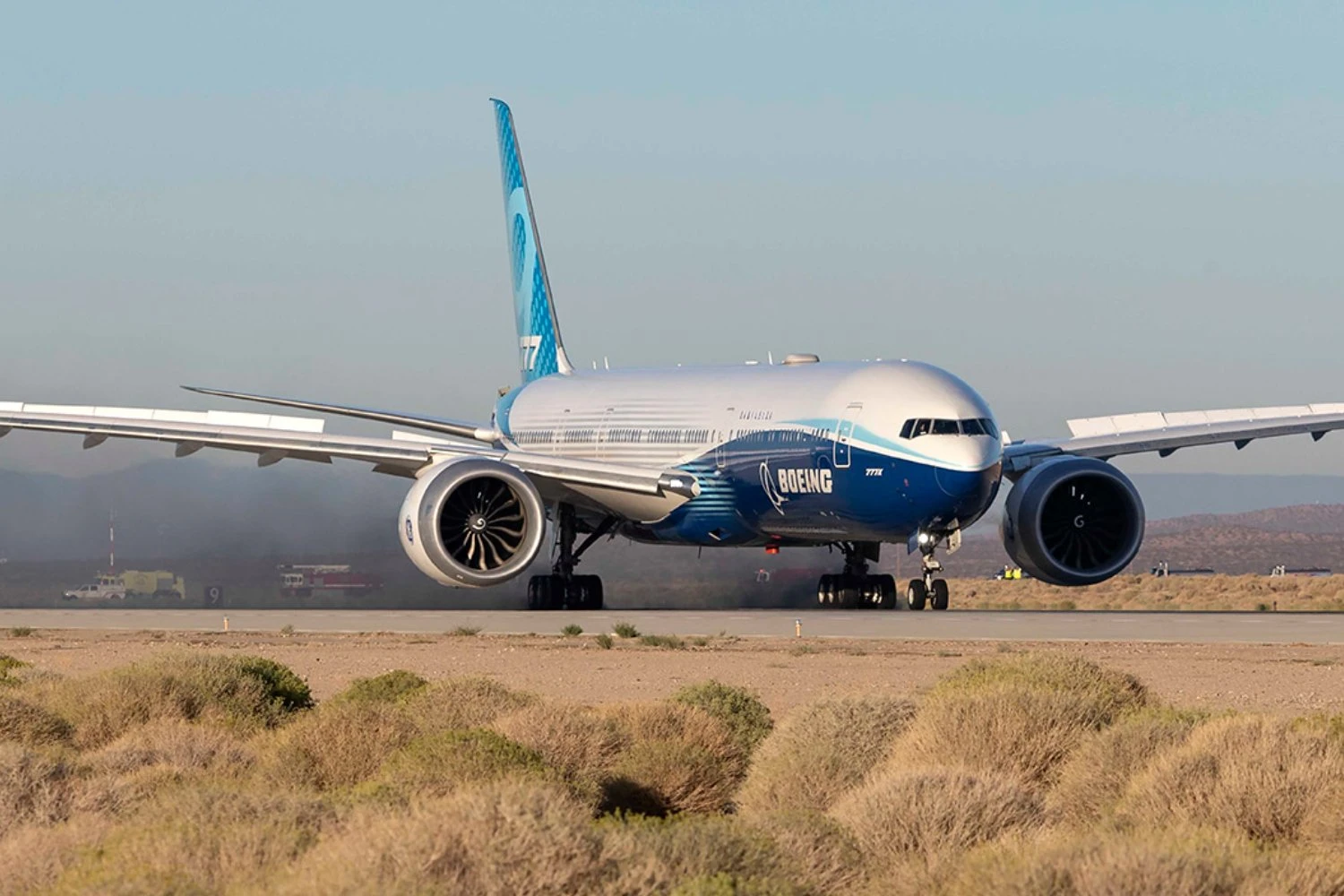
Boeing disclosed that roughly 30 already-built 777X aircraft will require modifications before they can be delivered to customers, pointing to the scale of rework created by the program’s prolonged certification delays.
Speaking during the company’s first-quarter earnings call on Wednesday, CEO Kelly Ortberg said Boeing has created a dedicated team to handle what it calls “change incorporation” work on completed aircraft as the manufacturer prepares the 777-9 for entry into service in 2027.
“We’ve got roughly 30 777s that’ll go through this change incorp process over several years,” Ortberg said during the call.
Follow Air Data News: WhatsApp | Google News | Instagram | LinkedIn | Twitter | Facebook
The executive explained that the work involves updating aircraft built years ago with design changes introduced during flight testing, certification activities and production improvements.
“For the airplanes that we have built, [we need] to incorporate all the changes that have happened since they’ve been built,” he said.
According to Ortberg, older aircraft will require more extensive work, including structural modifications, while more recently produced jets will undergo smaller upgrades.
“The older the airplane, the more change incorporation and the more structural-related changes that are needed and they’ll take longer,” he said.
Boeing plans to bring all stored aircraft to a common configuration before applying final modifications, which the company believes will streamline the process ahead of deliveries.
The comments offer rare insight into the inventory Boeing has accumulated during years of delays affecting the 777X program, which was originally expected to enter service in 2020.
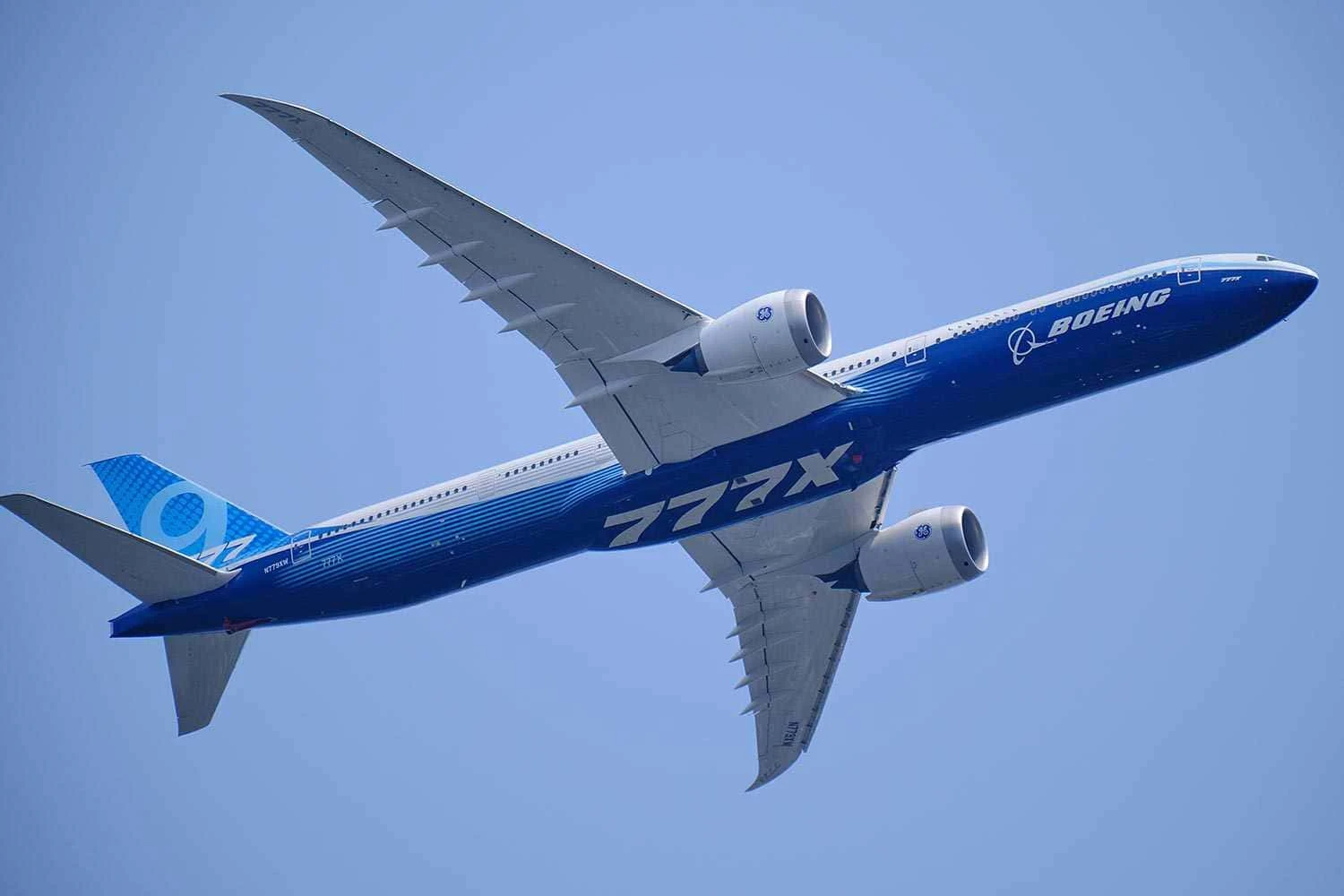
During the same earnings call, Ortberg said Boeing recently received FAA approval for the next certification phase known as TIA 4a, which includes natural icing tests.
The company is also awaiting approval for TIA 4b, which Ortberg described as a larger certification package.
Boeing continues to target first deliveries of the 777-9 in 2027 despite a separate durability issue involving the GE9X engine. Ortberg said supplier GE Aerospace has identified the root cause and is finalizing a fix while allowing flight testing to continue.
