


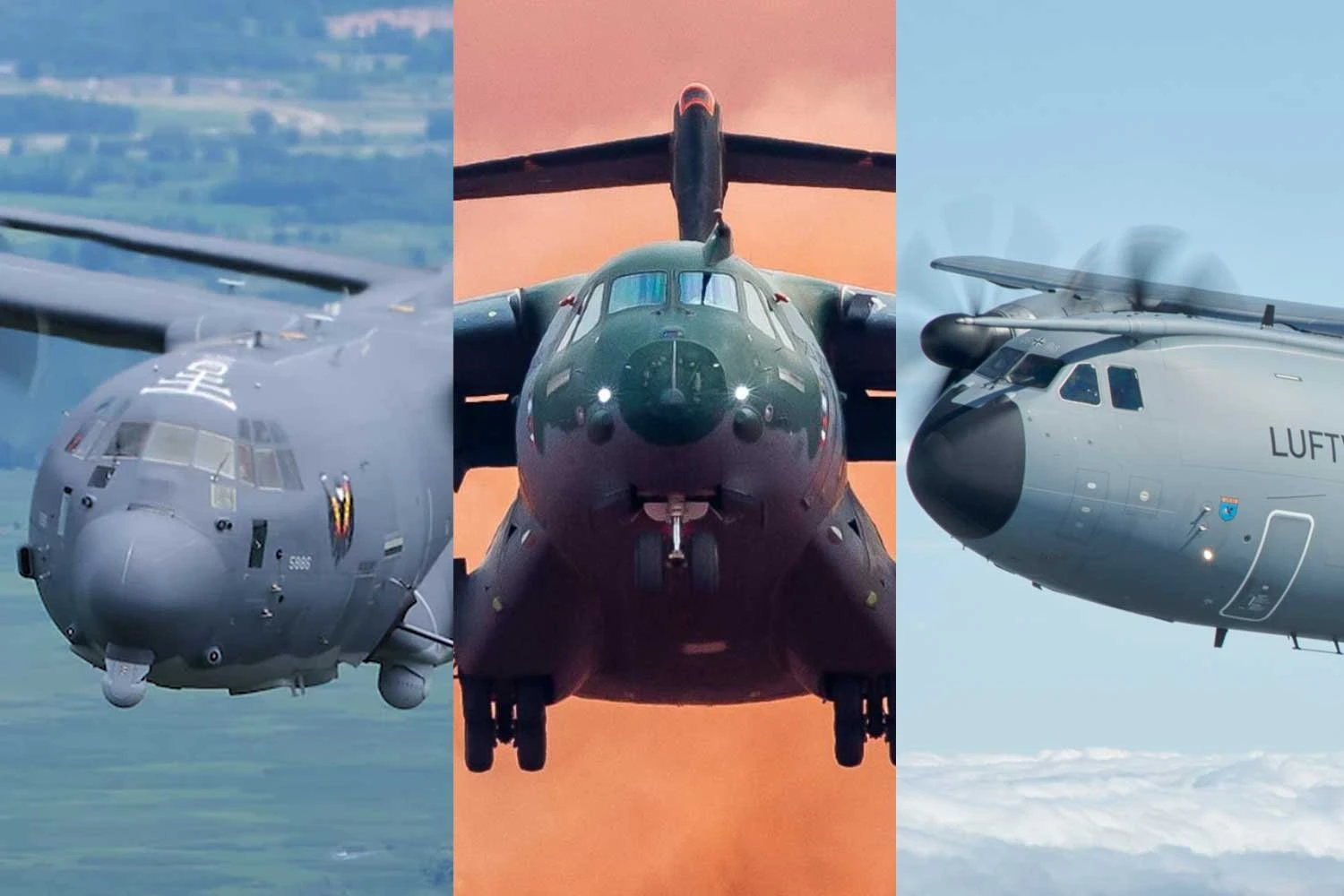
India is preparing to make one of the world’s largest military transport aircraft purchases, and the three contenders could hardly be more different.
Embraer is offering the jet-powered C-390 Millennium, Lockheed Martin the veteran C-130J Super Hercules and Airbus the much larger A400M Atlas. All three manufacturers are prepared to establish production in India if selected for the Indian Air Force’s Medium Transport Aircraft (MTA) program.
The competition originated with a 2023 request for information covering aircraft capable of carrying between 18 and 30 tonnes (39,700-66,100 lb). The initial document contemplated fleets of 40, 60 or 80 aircraft, while the program has subsequently moved toward a requirement for around 60.
That scale changes the nature of the contest. Manufacturing dozens of military transports in India would create an industrial program lasting many years, making local production, technology transfer and the development of an Indian supply chain almost as relevant as the aircraft itself.
It also means that comparing brochure specifications tells only part of the story.
C-390: speed and a new generation
On purely technological grounds, the Embraer C-390 has perhaps the clearest claim to being the new-generation candidate.
Unlike its two rivals, it uses conventional turbofan engines. Two IAE V2500-E5s give the aircraft a maximum cruise speed of 470 kt (870 km/h), substantially faster than the C-130J and even slightly faster than the considerably larger A400M.
Maximum concentrated payload is 57,320 lb (26 tonnes), placing the C-390 almost exactly in the center of the original Indian requirement. With that payload, Embraer quotes a range of 1,080 nm (2,000 km), increasing to 1,470 nm (2,720 km) with 50,700 lb (23 tonnes).
Speed has consequences beyond getting cargo somewhere sooner. A faster aircraft can perform more sectors within the same crew duty period, potentially increasing the productivity of a fleet without adding aircraft.
The C-390 was also designed from the outset around modern commercial-derived systems. Its V2500 engine family has accumulated enormous experience in airline service, while the aircraft uses Collins Pro Line Fusion avionics.
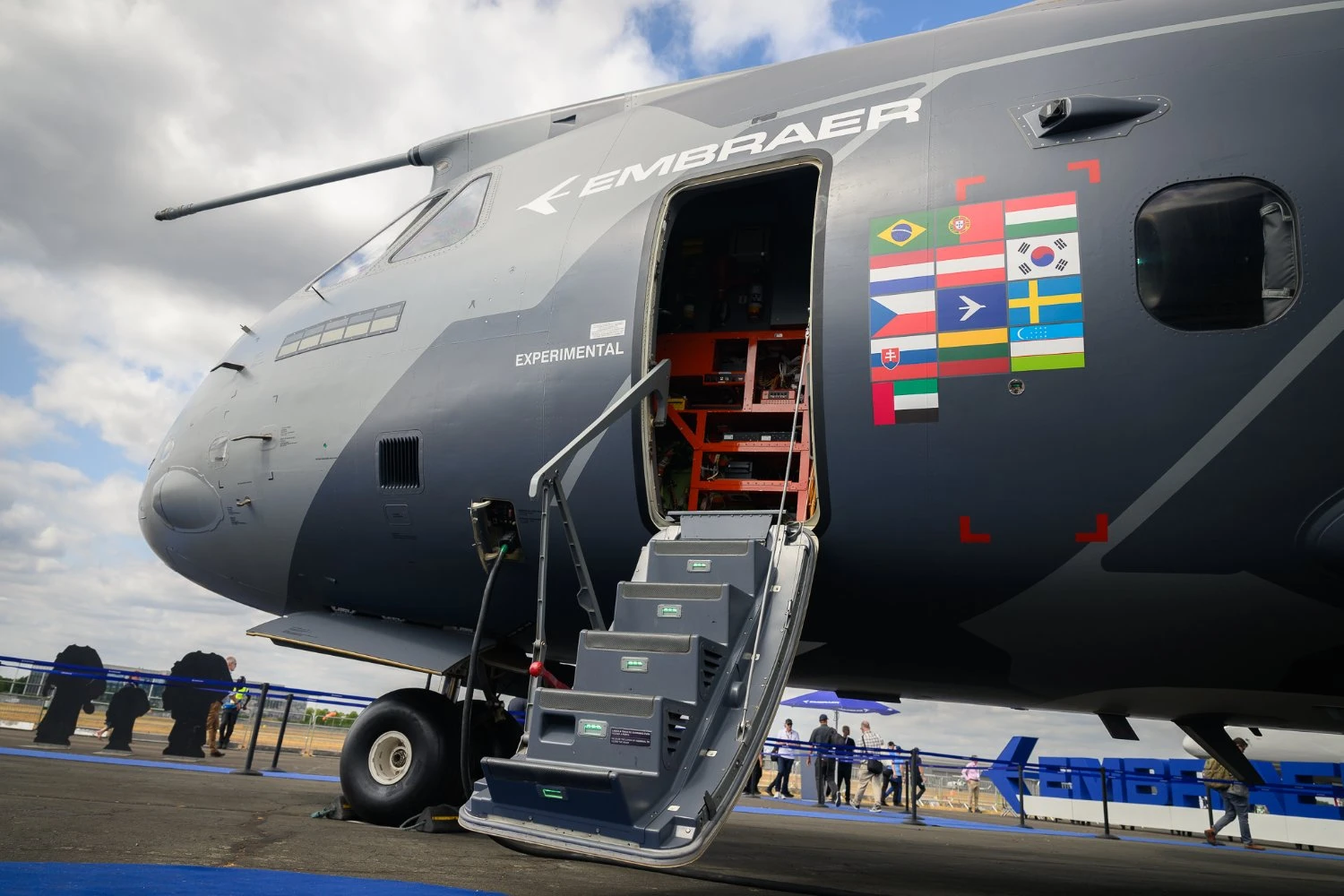
Its weakness is equally straightforward: experience. The Brazilian Air Force only introduced the C-390 in 2019. Portugal and Hungary subsequently placed it into service, and its customer base has expanded rapidly, but it cannot match decades of operational experience accumulated by the Hercules.
Embraer has nevertheless gained an unusual succession of victories against the C-130J. Several European countries replacing Hercules fleets have selected the C-390, providing the Brazilian manufacturer with a powerful argument that established C-130 operators themselves see advantages in changing platforms.
For India, Embraer has partnered with Mahindra. The companies signed a strategic cooperation agreement in 2025 covering industrialization of the C-390 and the possibility of developing India as a production hub. They expanded those plans in February 2026 to include local maintenance, repair and overhaul capability if the aircraft wins the MTA competition.
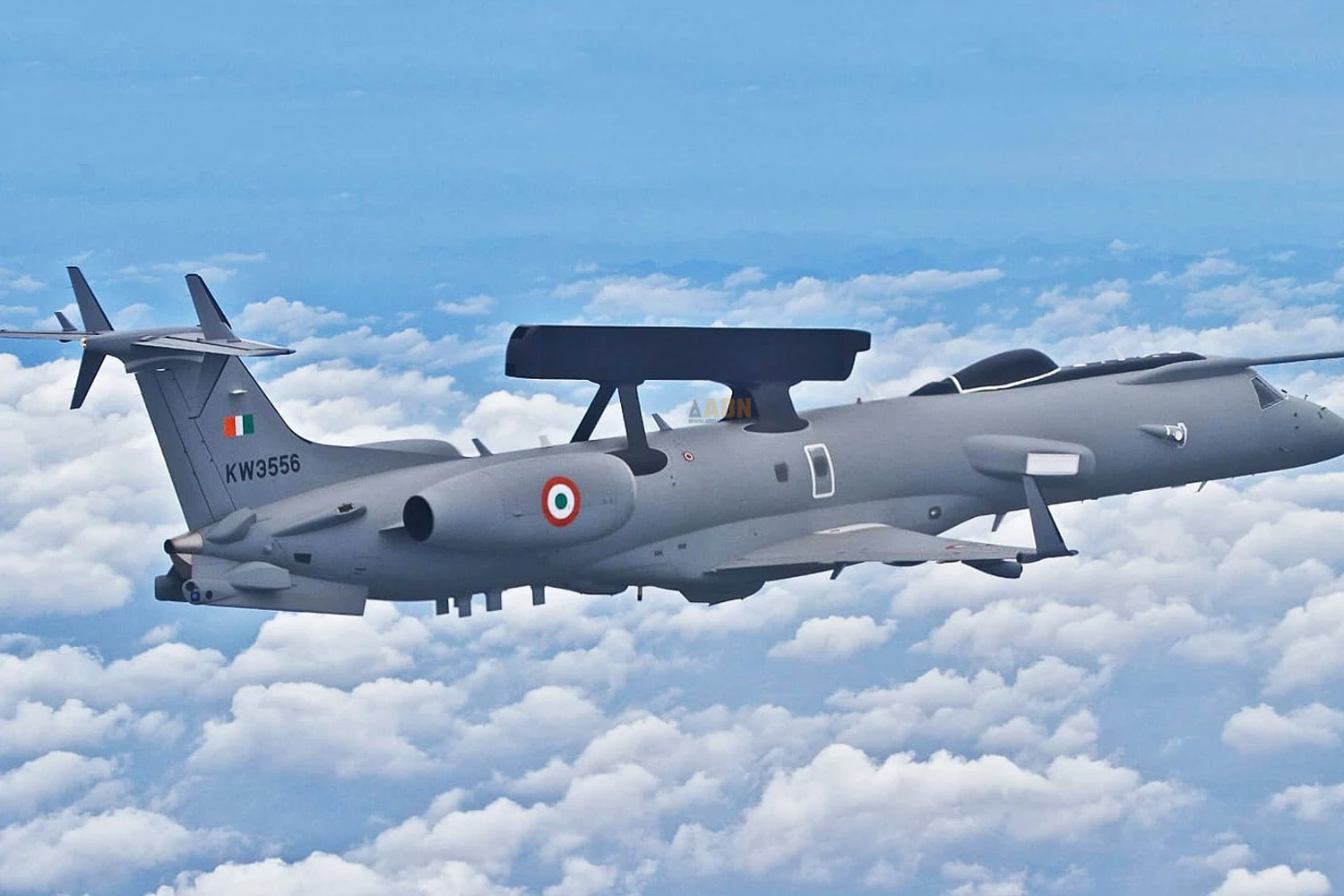
There is also an existing relationship. India already operates three Embraer ERJ 145-based Netra airborne early warning aircraft developed with the country’s Defence Research and Development Organisation.
C-130J: India already knows it
If the C-390 offers novelty, Lockheed Martin can argue that India does not need to discover what its aircraft can do.
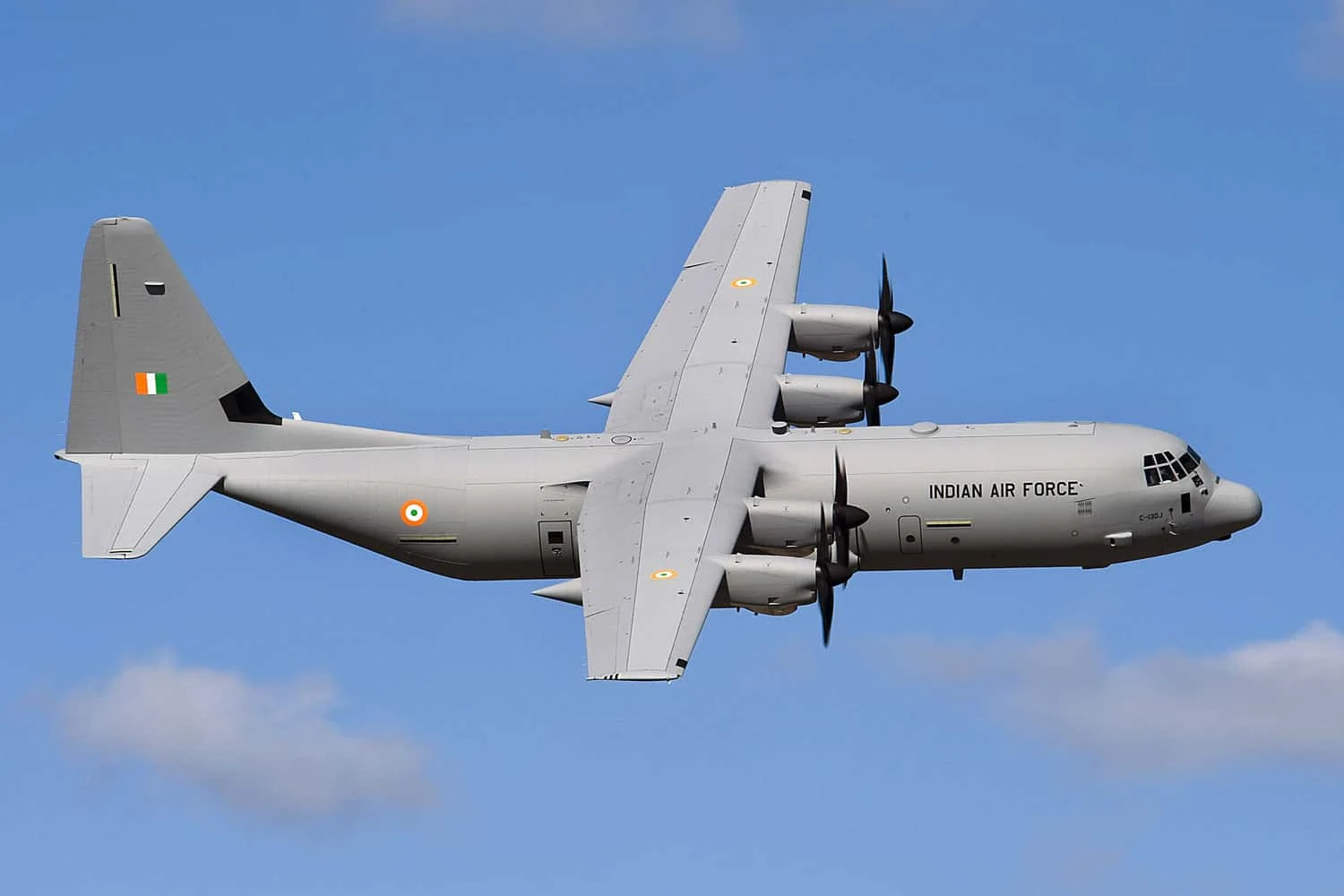
The Indian Air Force already operates 12 C-130J-30s, introduced in 2011 and used particularly for special operations and tactical transport. India therefore already has pilots, maintainers, infrastructure, training experience and an established support system for the type. That significantly reduces integration risk.
The C-130J is also arguably the most tactical of the three designs. The basic Hercules architecture was conceived around operations from austere locations, and decades of development have produced an aircraft with an enormous body of operational experience. But age cuts both ways.
The original C-130 first flew in 1954. The C-130J is vastly different technologically from those early Hercules and entered service decades later, but its fundamental airframe configuration comes from another era.
It is also the slowest and carries the least payload of the three candidates. Lockheed Martin lists a 41,333 lb (18.75-tonne) payload for the stretched C-130J-30 and a maximum cruise speed of 355 kt (657 km/h). That puts it at the bottom edge of the Indian requirement rather than near its center.
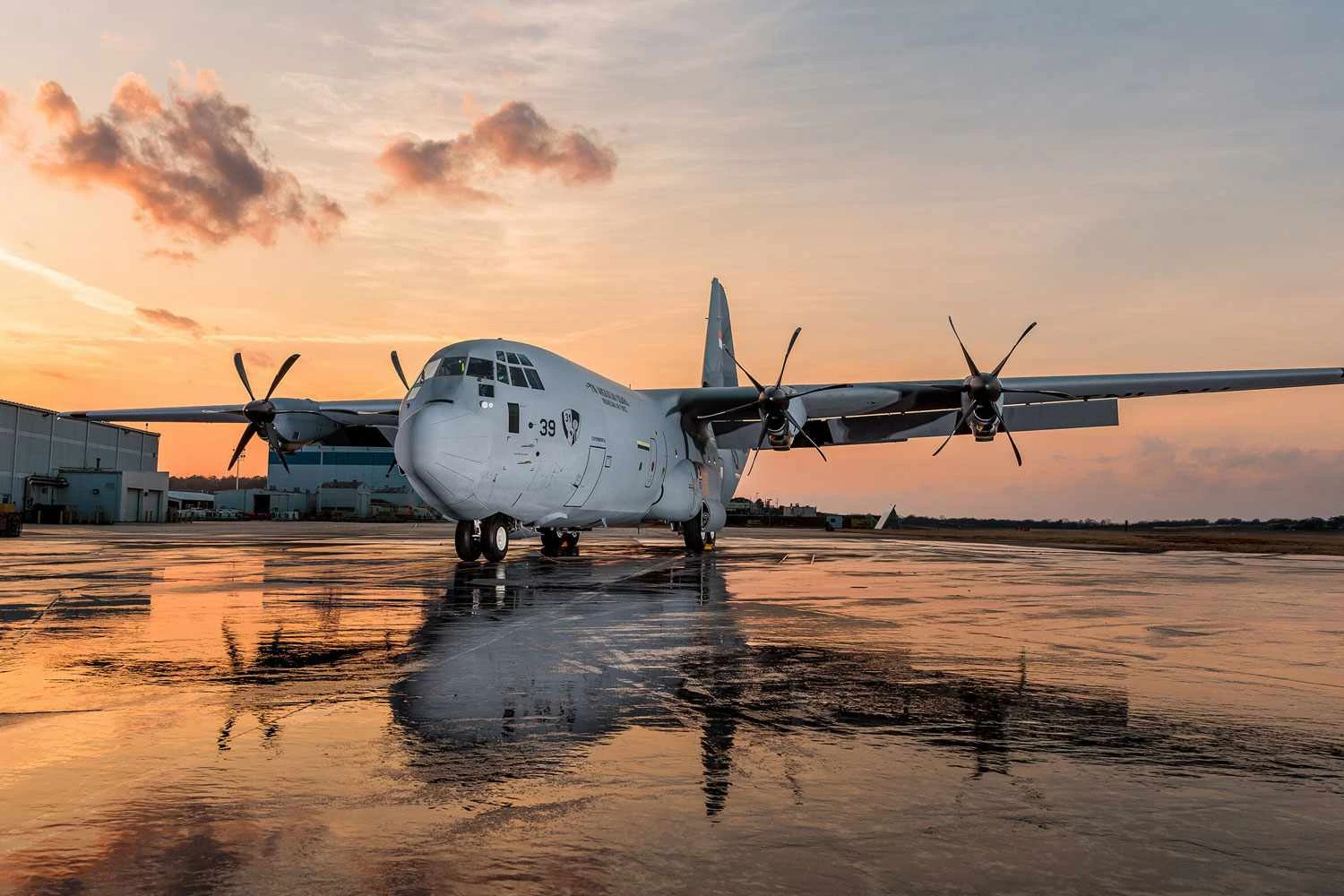
For some missions, however, that could be exactly the point. India may decide that it needs a genuine tactical transport rather than additional capacity approaching the strategic airlift category.
Lockheed Martin also has an industrial advantage that predates the MTA competition. Tata Lockheed Martin Aerostructures in Hyderabad has manufactured C-130J empennages since 2010 and is the sole global source for the assembly used on newly built Super Hercules aircraft. Nearly 260 had been produced in India by 2026.
Lockheed Martin and Tata went considerably further in 2024, announcing plans to establish additional C-130J production and assembly capacity in India if the aircraft wins MTA. A new Indian MRO facility supporting C-130J operations is also being developed.
The C-130J therefore offers India the least disruptive option: expand a type it already operates and an industrial program in which Indian companies already participate.
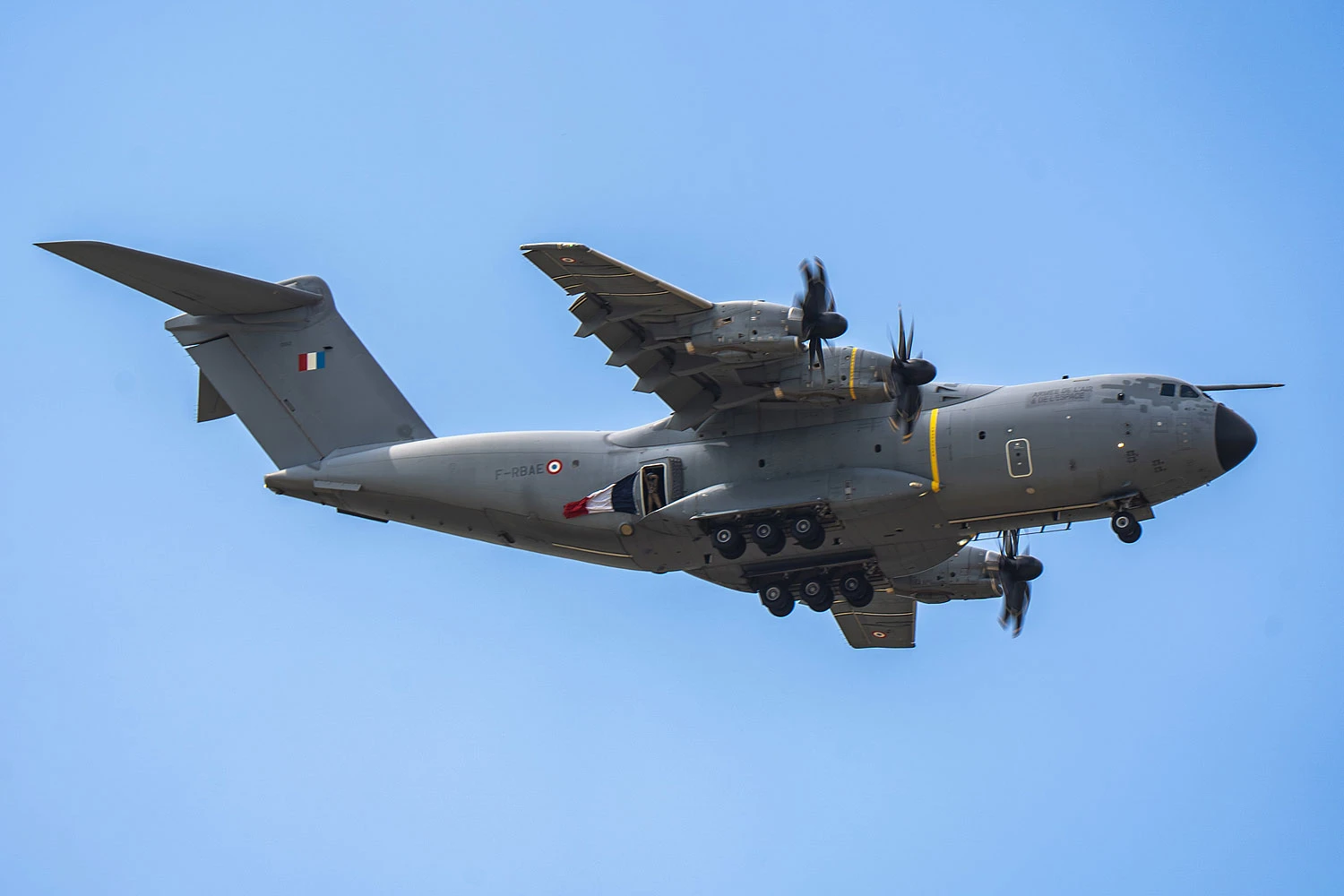
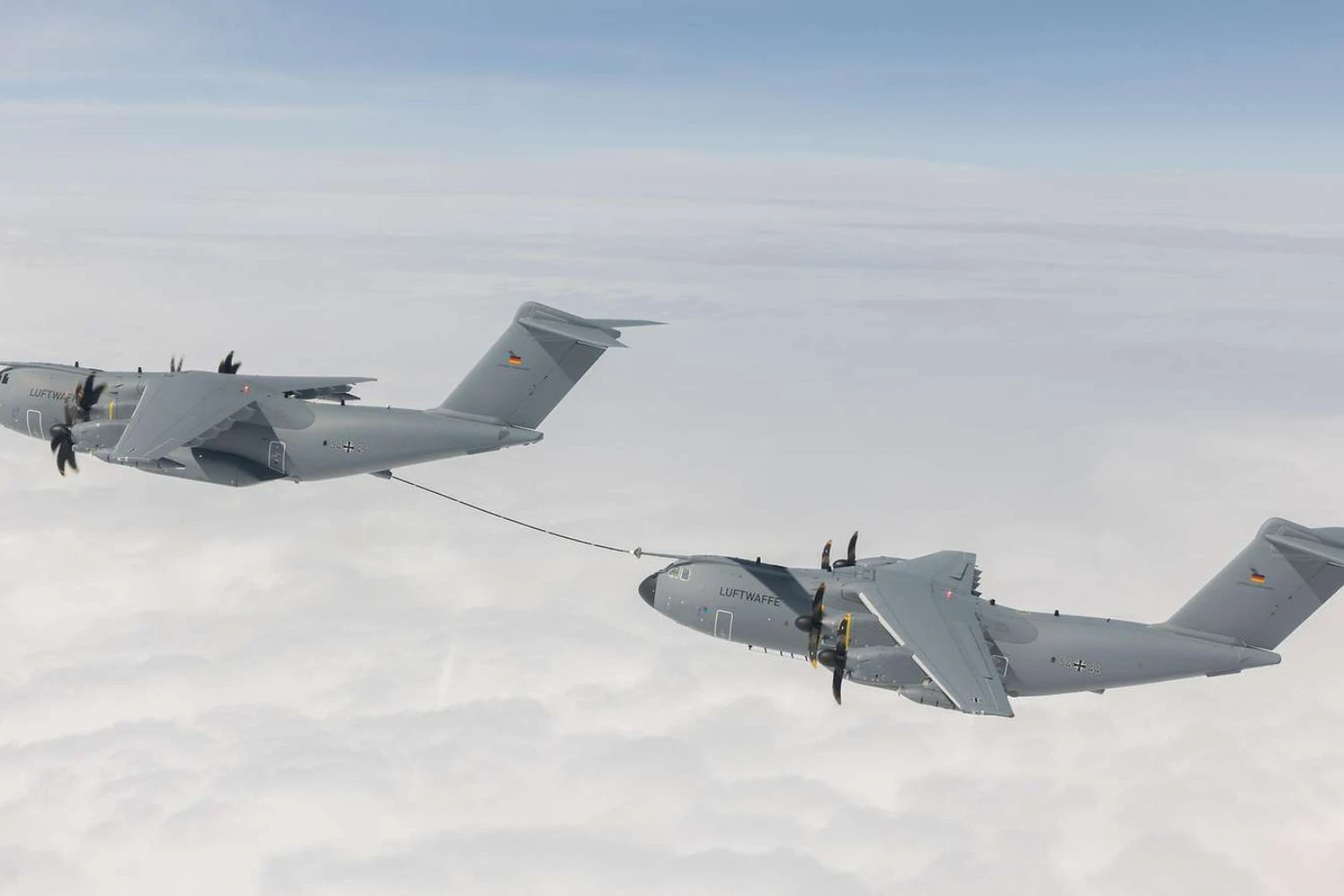
A400M: more aircraft than India asked for
The Airbus A400M presents almost the opposite problem.
India originally asked for an aircraft capable of carrying 18-30 tonnes. The A400M can carry 81,600 lb (37 tonnes).
It is therefore technically beyond the upper end of the original requirement, something Airbus itself has acknowledged. (Default)
But that apparent disadvantage is also the entire argument for selecting it.
The A400M can transport loads that cannot physically or practically be carried by the C-390 or C-130J. Its cargo hold has a 13.1-ft by 13.1-ft (4 x 4-m) cross-section and 12,000 cu ft (340 cu m) of volume, allowing it to accommodate large helicopters, armored vehicles and other outsized equipment.
It can carry 44,000 lb (20 tonnes) for 3,400 nm (6,300 km), while retaining the ability to operate from short and unpaved airstrips. Airbus says it can deliver 55,000 lb (25 tonnes) onto a 2,500-ft (750-m) grass or sand runway while retaining fuel for a 500-nm (930-km) return flight.
That combination could be particularly attractive to India.
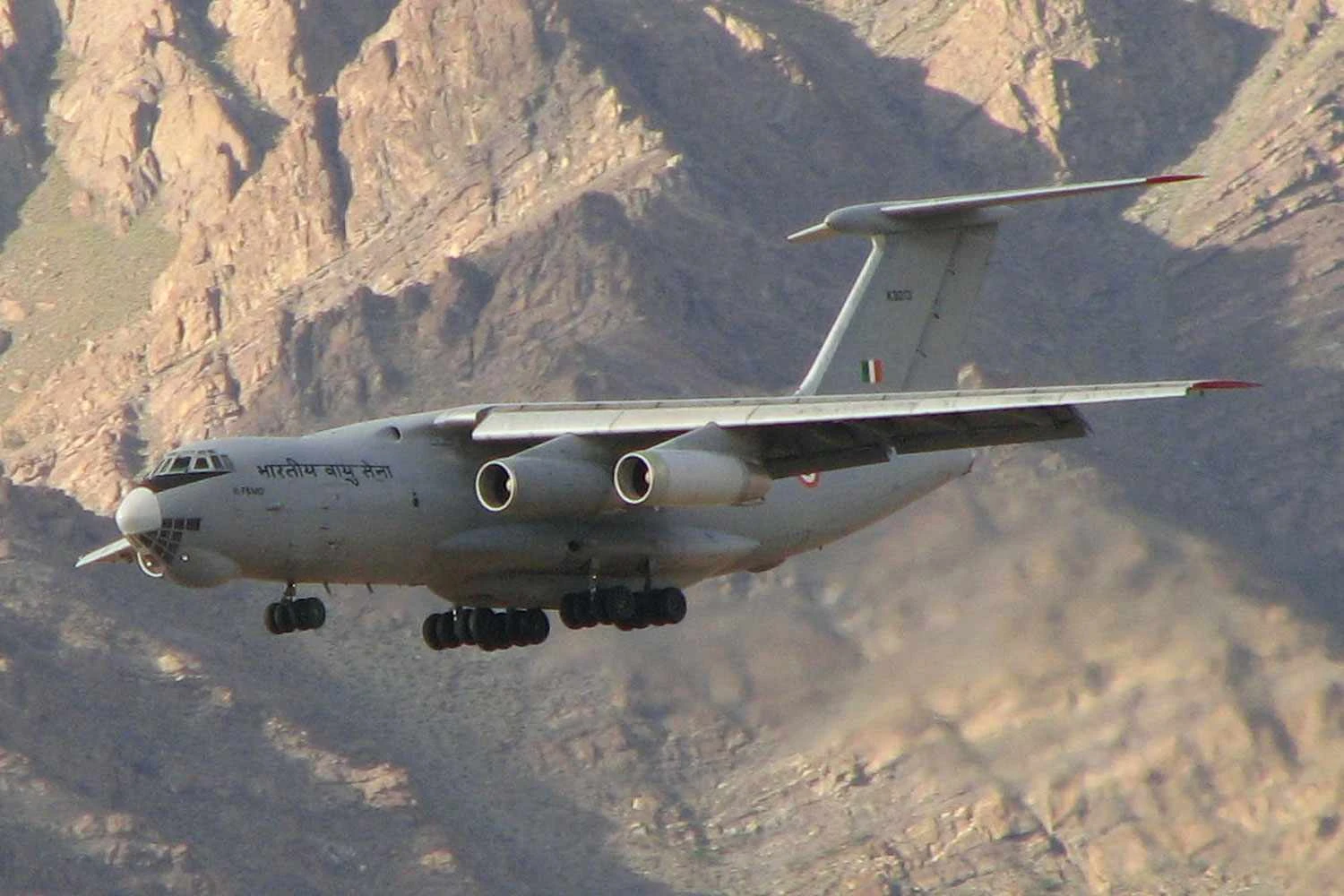
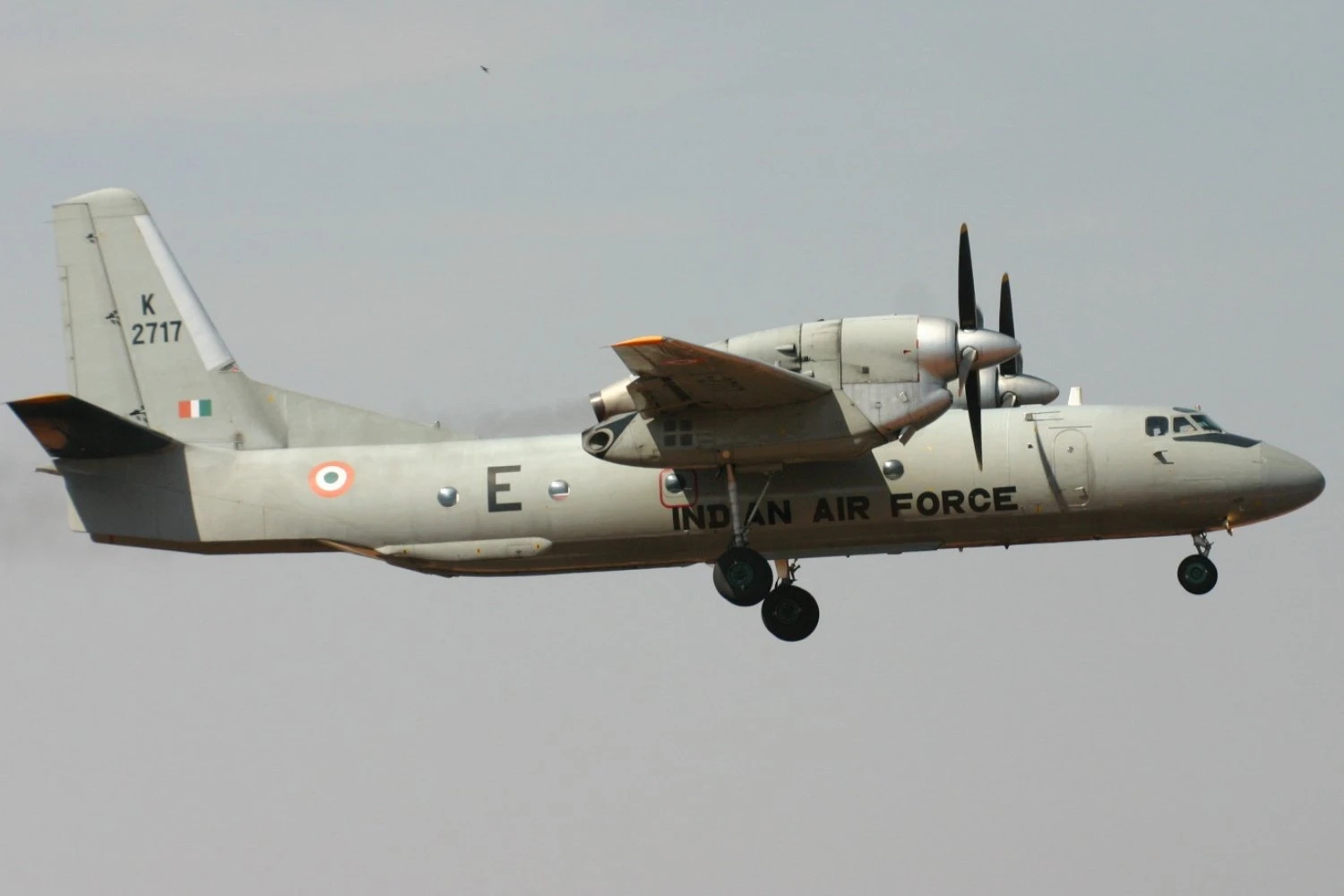
The Indian Air Force operates C-17 strategic transports at the top of its airlift fleet, while its aging Russian-built Il-76s occupy another heavy transport category. Below them are the C-130Js and a large fleet of Antonov An-32s that needs replacement.
An A400M purchase could therefore do more than replace medium transports. It could absorb some missions currently assigned to aging Il-76s while giving India a tactical aircraft capable of carrying loads much larger than those accommodated by the other MTA candidates.
The price for that flexibility is literally a bigger aircraft.
Four TP400 turboprops, a 37-tonne payload capability and a much larger airframe inevitably bring a different cost structure from the C-390 and C-130J. India could find itself buying and operating significantly more aircraft than necessary for routine medium-airlift missions.
Airbus, however, possesses perhaps the strongest current industrial precedent of the three bidders.
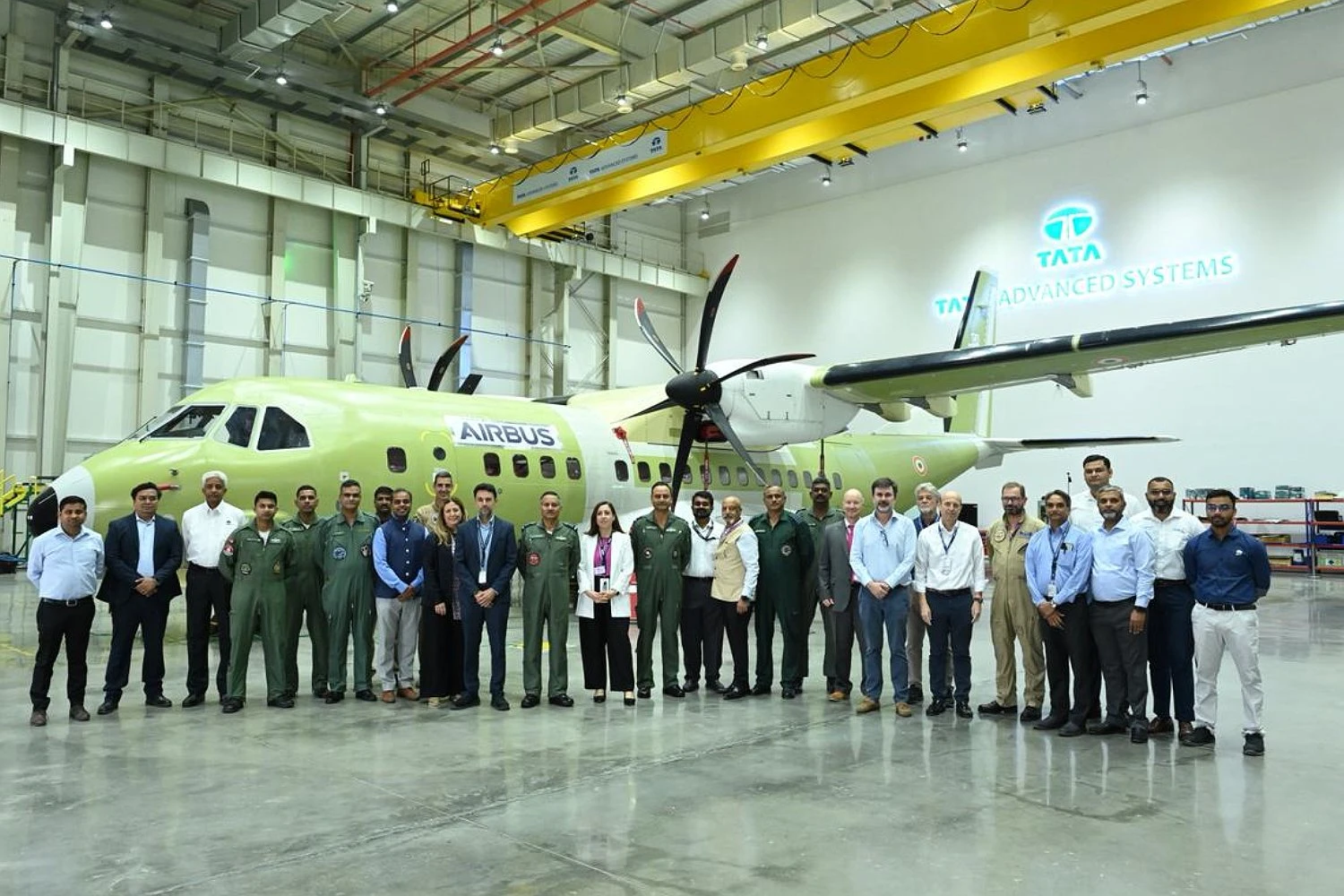
India has already ordered 56 C295 transports, 40 of which are being manufactured and assembled by Tata Advanced Systems at a final assembly line in Vadodara. It is the first private-sector military aircraft final assembly line established in India.
For Airbus, therefore, building military transports in India is no longer a proposal for the future. The industrial infrastructure and relationship with Tata already exist.
Hot, high and far from easy
India also presents operating conditions capable of exposing differences that disappear from standard specification tables.
The country must support forces deployed along its Himalayan borders, including locations at extreme elevations. Hot-and-high performance, runway requirements and the ability to move useful loads into austere airfields can matter more there than maximum payload measured at sea level.
The Indian Air Force has already demonstrated the importance of this capability with the C-130J, including operations at Daulat Beg Oldi in Ladakh, one of the world’s highest airstrips.
The turboprop C-130J has an established record in exactly this kind of tactical operation.
Airbus can counter with the A400M’s enormous power reserve. Its four TP400 engines produce roughly 11,000 shp each, and the aircraft was explicitly designed for short-field and hot-and-high operations despite its much greater size.
The C-390 sits between those philosophies. Its turbofans provide exceptional transit speed and efficiency, while Embraer designed the landing gear and airframe for operations from semi-prepared, damaged and unpaved surfaces.
Actual Indian mission profiles could therefore become much more revealing than nominal payload figures.
Three different political relationships
The decision will also be made in New Delhi, not simply at an Indian Air Force evaluation center.
Lockheed Martin benefits from the dramatic expansion of US-Indian defense relations over the past two decades. India operates not only the C-130J but also Boeing C-17s and P-8Is, AH-64 Apache attack helicopters and CH-47F Chinooks.
Choosing another US aircraft would deepen an already extensive relationship, but India has historically resisted becoming dependent on any single foreign defense supplier.
Airbus represents a different equation. European countries have longstanding defense relationships with India, and Airbus has already secured one of the country’s most important recent military aviation industrial programs through the C295.
Embraer brings Brazil into the equation.
India and Brazil are both BRICS members and have no major strategic conflict between them. More importantly for the MTA competition, Embraer would potentially gain one of the largest C-390 orders ever contemplated and an industrial foothold in one of the world’s biggest defense markets. That gives both sides substantial incentives to negotiate.
India has been here before
There is a certain irony in India now choosing between three foreign-designed transports.
More than a decade ago, the country intended to develop precisely this class of aircraft itself in partnership with Russia.
India’s Hindustan Aeronautics and Russia’s United Aircraft Corporation worked on the Multirole Transport Aircraft, subsequently associated with the Il-214/Il-276 concept. The program was intended to produce a roughly 20-tonne-class transport in both countries.
The partnership eventually collapsed after years of disagreement and little tangible progress. Russia subsequently attempted to revive Indian interest in the Il-276 when the new MTA requirement appeared, but the current competition has instead developed around aircraft already flying and in production.
That history may itself influence the present procurement. India is demanding domestic manufacturing, but this time without assuming the development risk of creating an entirely new transport aircraft with a foreign partner.
No obvious winner
Each manufacturer can therefore tell India a convincing but fundamentally different story.
Lockheed Martin offers familiarity. The Indian Air Force already flies the C-130J, Indian industry already builds major parts of every new aircraft, and expanding that ecosystem into final assembly would involve relatively little technological or operational risk.
Embraer offers productivity. The C-390 carries substantially more than the C-130J and flies much faster, while remaining within the medium-airlift category India originally specified. Its rapidly expanding international customer base also makes it a far less risky proposition than it was when Brazil introduced the aircraft seven years ago.
Airbus offers capability. The A400M is bigger than the aircraft India originally requested, but that allows it to perform missions its competitors cannot and potentially assume some work currently performed by the country’s aging Il-76 fleet.
And local manufacturing is unlikely to separate them by itself. For an order potentially involving around 60 aircraft, producing the winner in India has effectively become the price of admission. Embraer, Lockheed Martin and Airbus have all positioned themselves accordingly.
The harder question for India is deciding what it actually wants to manufacture.
