


For a few years, needing a mortgage was almost a disadvantage for home buyers. During the pandemic-era housing frenzy, buyers with piles of cash had a secret weapon: They could make an offer without waiting for a bank to approve a loan, making their bids especially attractive to sellers. That advantage is starting to fade.
All-cash purchases accounted for 31.4 percent of U.S. home sales during the first four months of 2026, down from 32.3 percent a year earlier, according to Realtor.com. The number of cash sales fell 11.2 percent, compared with an 8.5 percent drop in overall home sales. In other words, cash buyers are backing away a little faster than everyone else.
That’s a change from the pandemic era, when the limited supply was pushing cash offers to the front of the line. Today, competition has cooled in many markets, and mortgage rates are lower than they were a year ago, giving buyers who need financing a little more breathing room.
Cash still has one major advantage, though. It offers certainty. For sellers, an all-cash offer means less risk that financing will fall through and derail the deal. So while cash may no longer be essential for winning a bidding war, it remains an appealing tool to get a sale across the finish line.
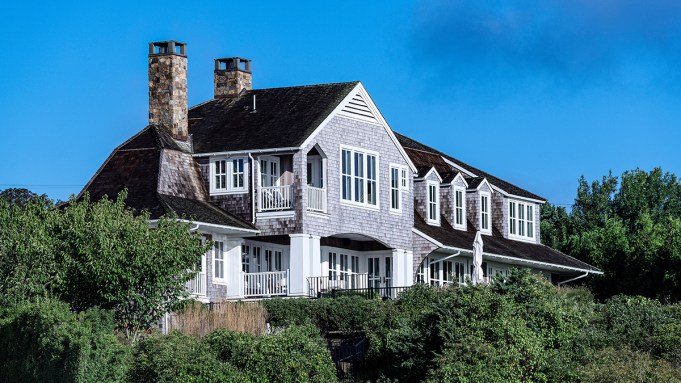
All-cash purchases accounted for 31.4 percent of U.S. home sales during the first four months of 2026.
John Greim/LightRocket via Getty Images
Cash buyers also remain a potent force at both the highest and lowest ends of the market. Realtor.com found that more than 40 percent of homes priced at $1 million or more were purchased without a mortgage during the first four months of 2026, while a majority of homes priced at $2 million or more were bought entirely with cash. At the other end, more than two-thirds of homes selling for less than $100,000 were also cash purchases.
The luxury market isn’t necessarily following the broader trend. Coldwell Banker’s 2026 Mid-Year Report found that 63 percent of luxury property specialists were seeing more all-cash purchases among their clients, up from 51 percent a year earlier. Affluent buyers are also looking for more space, with some buying neighboring properties to create larger private compounds, preserve views, or accommodate multiple generations. The trend toward multigenerational living also emerged in Sotheby’s International Realty’s Outlook Report at the start of the year, which found that nearly one in five U.S. luxury purchases involved buyers planning to live with extended family.

Realtor.com
Geography tells another part of the story. Miami had the highest share of cash purchases among major U.S. metros, at 43.2 percent, helped by its wealthy, retiree, and second-home buyer base. Houston and San Antonio also ranked near the top, as cooling prices and sales created more opportunities for cash-rich buyers. Pittsburgh stood out for growth, with cash purchases jumping 22.6 percent, while San Francisco saw them rise 7.7 percent, a trend Realtor.com said was consistent with new wealth from the artificial-intelligence boom, including IPOs and stock compensation.
Still, for most buyers—those in the middle of the market who need a mortgage—that could be a small but meaningful shift. Cash isn’t disappearing, but after years of dominating the housing market, it may finally be losing some of its power.
Authors

Abby Montanez

