


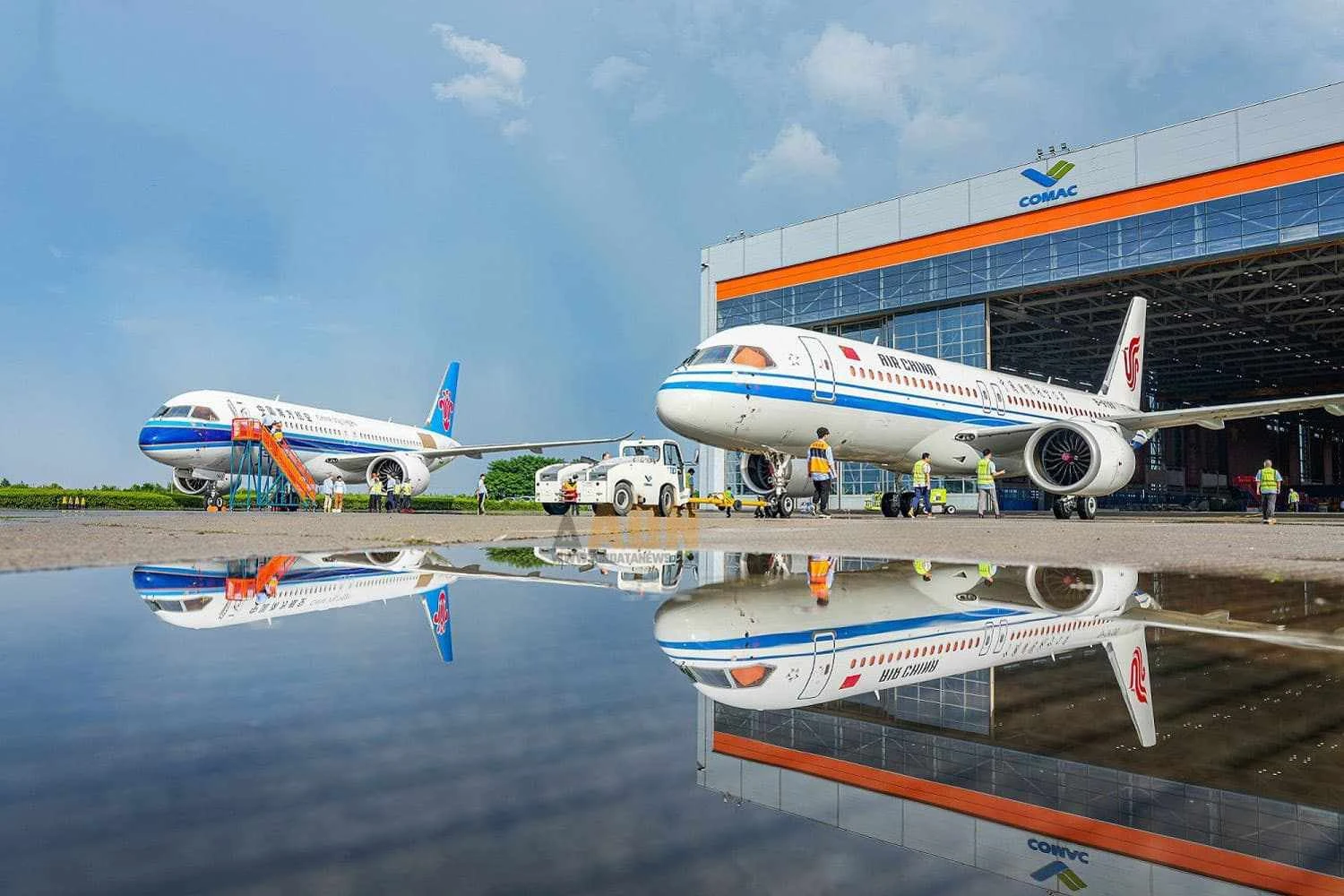
China’s three largest airlines recorded combined losses of approximately 8.2 billion yuan (US$1.22 billion) in the first half of 2026, as sharply higher fuel costs erased the benefits of rising international revenue and an earlier improvement in passenger demand.
State-controlled Air China reported a net loss of 2.3 billion yuan (US$342 million), while China Eastern Airlines lost 2.2 billion yuan (US$327 million). China Southern Airlines posted the largest loss of the three, at 3.7 billion yuan (US$550 million).
Follow Air Data News: WhatsApp | Instagram | LinkedIn | Twitter | Facebook
The results marked a sharp reversal from the first quarter, when the three carriers had generated combined profits of 4.82 billion yuan, helped by strong travel demand around the Lunar New Year.
Fuel became one of the main factors behind the deterioration during the second quarter. Fuel expenses at each of the three airlines increased by between 35% and 38% in the first half compared with the same period in 2025, following the increase in oil prices caused by the conflict in the Middle East.
The Chinese carriers are particularly exposed to changes in fuel prices because they do not currently hedge their fuel requirements, leaving them with less protection against sudden increases in oil prices.
International operations performed better than the domestic market. Revenue from international services increased, with European routes among the areas benefiting from stronger demand.
Domestic operations remained under pressure from weaker economic conditions in China and competition from the country’s extensive high-speed rail network. The latter is particularly significant on short and medium-distance routes where airlines and trains compete directly for passengers.
Air China said on Monday that its international routes performed better than domestic services during the summer travel period, although overall results fell short of expectations. The airline plans to increase frequencies to Europe and North America during the second half of 2026.
The three carriers also faced disruptions from a particularly active typhoon season. Passenger traffic during July and August is estimated to have fallen 3.6% compared with the same period last year.
Losses continue despite post-pandemic recovery
The first-half result means Air China, China Eastern and China Southern remain unable to establish sustained profitability despite the recovery of Chinese aviation from the Covid-19 pandemic.
The three airlines have now recorded losses for seven consecutive years, a period that initially included the severe effects of China’s prolonged travel restrictions but has since been affected by slower domestic economic growth and volatile operating costs.
HSBC now expects the three airlines to record combined losses of 16.8 billion yuan (US$2.5 billion) for the full year, reversing earlier expectations that they could return to profitability in 2026.
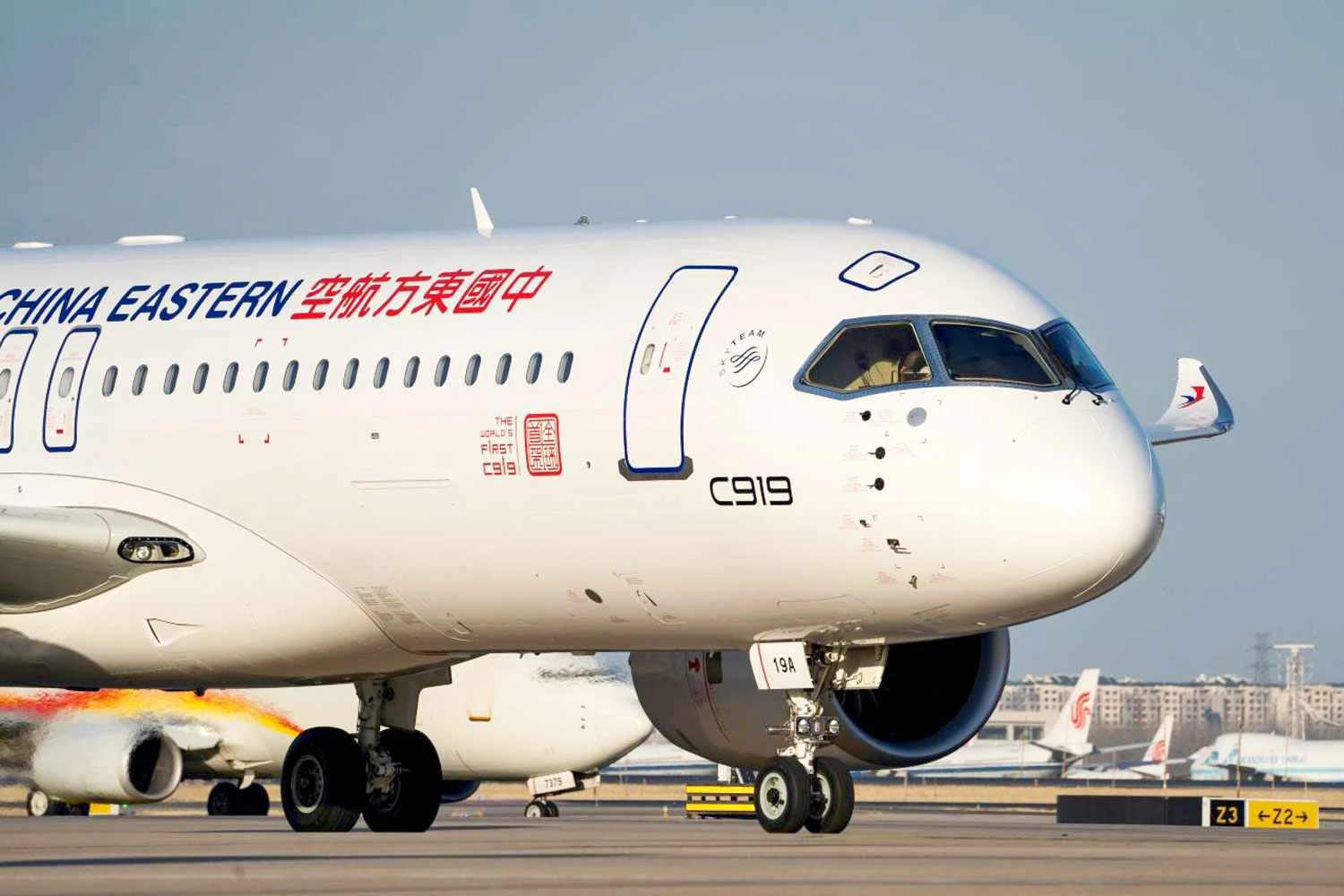
The difficult financial environment has not stopped the carriers from adding aircraft. All three are customers for the Chinese-built COMAC C919, which has gradually increased its presence in their domestic operations.
China Eastern, the launch operator of the C919, has nevertheless reduced its expectations for deliveries of the narrowbody this year, another indication that the expansion of the domestically produced aircraft remains slower than originally planned.
