


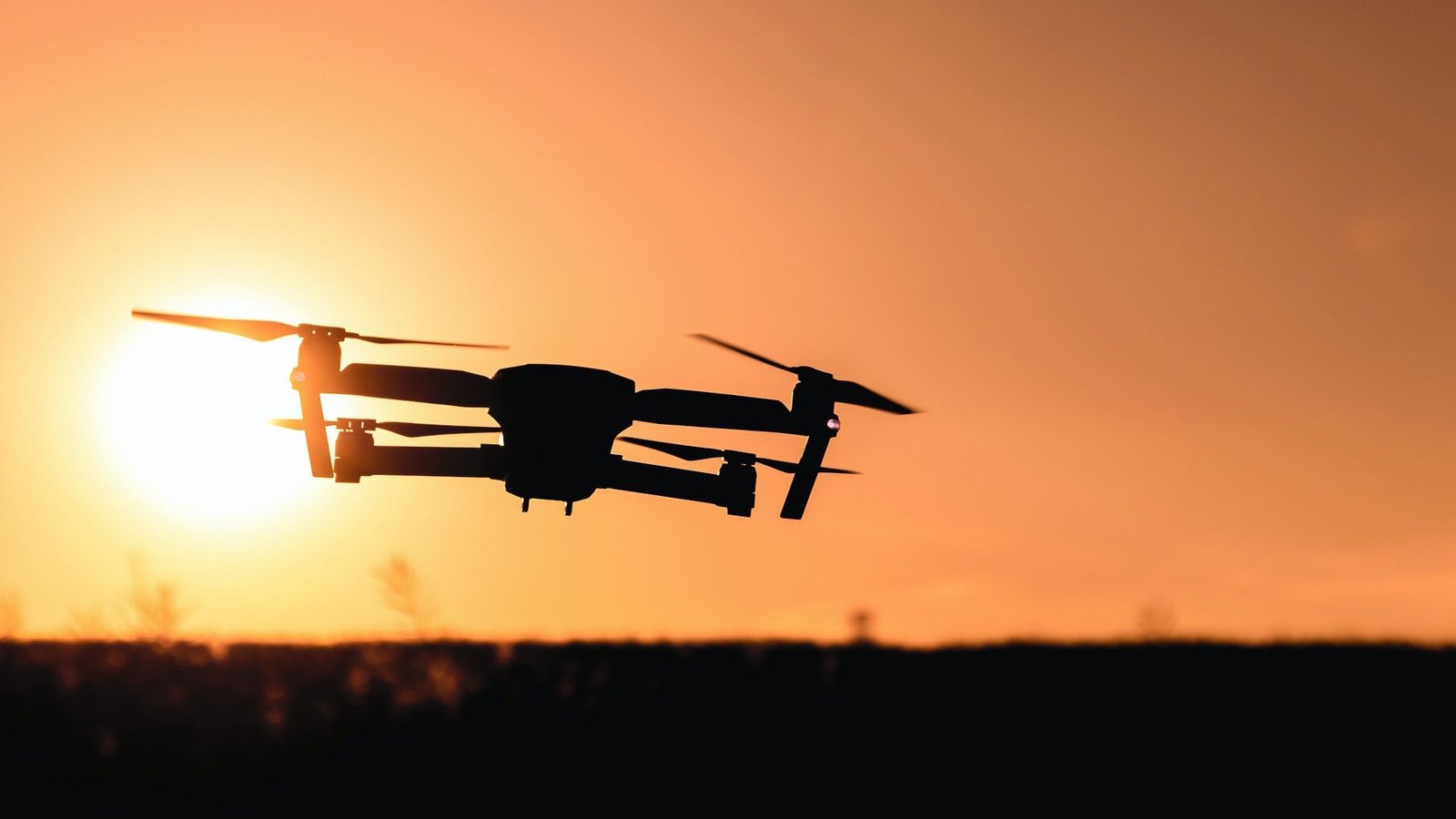
The FAA and the Defense Department have concluded that a high-energy laser used to target drones—and which temporarily closed the airspace over El Paso, Texas, earlier this year—does not pose an “undue risk” to passenger aircraft.
The agencies announced Friday that proper safety controls are already in place to make sure the laser technology does not interfere with civilian air traffic. The weapon will continue to be used along the U.S.-Mexico border, they added.
“The FAA’s top priority is protecting the safety of the American flying public, and we value the collaboration with the Department of War in that effort,” FAA Administrator Bryan Bedford said in a statement. “Following a thorough, data-informed safety risk assessment, we determined that these systems do not present an increased risk to the flying public. We will continue working with our interagency partners to ensure the National Airspace System remains safe while addressing emerging drone threats.”
The anti-drone laser came to broader public attention in February, when a test of the weapon shut down the airspace over El Paso. The closure was supposed to last for over a week but was reversed that same day.
Transportation officials later said the military was targeting a drone operated by a drug cartel in Mexico.
Later that same month, the laser was used to bring down a drone that turned out to have been operated by Customs and Border Protection.
In April, an anti-drone laser was installed near Palm Beach International Airport (KPBI) in Florida to protect President Donald Trump, his Mar-a-Lago estate, and commercial aircraft flying into and out of the airport.
