


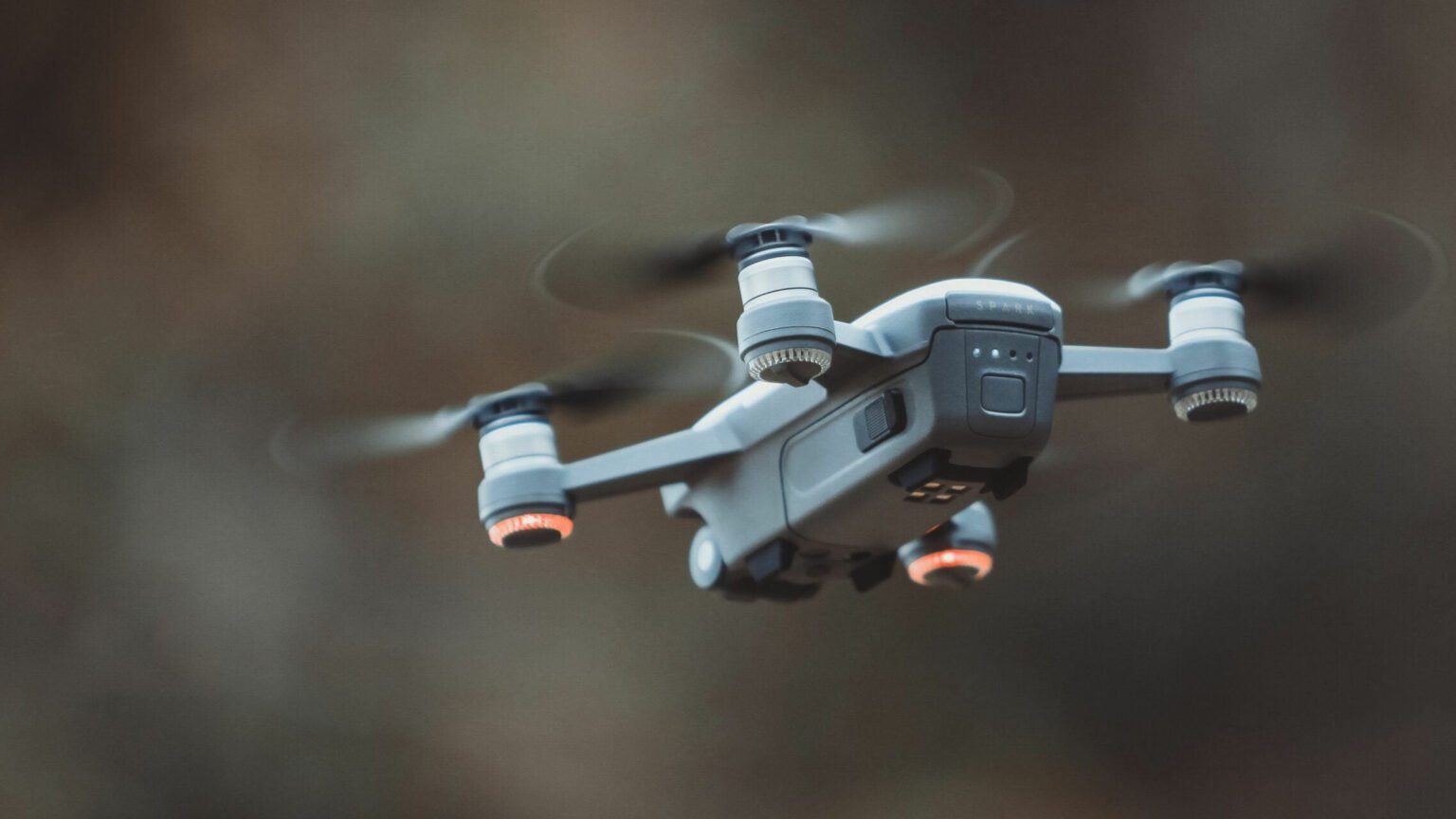
The FAA and FBI are warning drone pilots to steer clear of Coors Field in Denver after identifying “more than half a dozen” operators who violated airspace restrictions around the stadium during Major League Baseball (MLB) games.
Issued Thursday, the warning comes as federal, state, and local law enforcement prepare to host millions of visitors for the 2026 FIFA World Cup, which they view as a prime target for unauthorized drone activity. More than $250 million is being invested in counter uncrewed aircraft systems (C-UAS) technology—including drone-catching nets—for the 11 World Cup host states. The tournament will run from June 11 to July 19.
The FAA and FBI said the drones were spotted in the vicinity of Coors Field during the Colorado Rockies’ first homestand of the 2026 MLB season from April 3-5. No arrests have been made in connection to the incidents, the public affairs team for the FBI’s Denver Field Office told FLYING on Friday.
FBI Denver public affairs officer Vikki Migoya said that before the games began, “numerous” operators were found to have violated the stadium’s temporary flight restriction (TFR), or they lacked or refused to show a valid Part 107 remote pilot license. She said the drones did not fly in a “swarm,” as some reports have misstated.
“The illegal drone activity did not jeopardize anyone’s safety, but there were enough violations that the teams on the ground were concerned about the number of operators that did not seem to understand the seriousness of the situation,” Migoya said. “Every instance of illegal drone activity requires a law enforcement intervention to ensure the intent is not nefarious; the fewer violations there are, the more law enforcement can focus on what might be a true threat.”
The FAA can hit operators with civil fines up to $75,000 per violation or confiscate their drone or pilot certificate. Federal law enforcement could also pursue fines up to $100,000 and up to one year in prison.
Drone Incursions On the Rise
Coors Field is not the first major American sporting venue to deal with unauthorized drones, and it almost certainly will not be the last.
The NFL in 2025 said it recorded more than 2,000 drone incursions into stadium TFRs in each of the league’s previous three seasons. The figure has risen steadily as more drones take to the skies, surpassing 2,800 in 2023. In some cases, the buzzing aircraft have disrupted primetime contests.
The FAA issues TFRs to protect large gatherings from unauthorized drones, which authorities worry could crash into the crowd, deploy a weapon, or otherwise create panic. They are typically active for the airspace within 3 miles of a stadium, extending up to 3,000 feet one hour before and after sporting events. Marquee events such as the Super Bowl often face more extensive restrictions.
Drone operators can check for these restrictions using a B4UFLY provider or the FAA’s Sporting Event Automated Monitoring System (SEAMS), which is publicly available and updated with weather delays, cancellations, overtime periods, and other information.
The government in recent months has stepped up mitigation and enforcement of UAS violations.
Until December, only the Department of Homeland Security (DHS) and FBI had the authority—granted by a 2018 law—to jam, disable, or take down unauthorized drones. After a push by the NFL, MLB, and other pro sports leagues, Congress passed the Safer Skies Act, which extended those privileges to state and local entities.
Qualified state and local law enforcement are trained at the FBI’s National Counter-UAS Training Center (NCUTC) in Alabama. Per congressional testimony from Douglas Olson, the FBI senior coordinating official on the White House’s World Cup task force, the NCUTC has certified 41 state and local officers, including several from cities hosting matches. It hopes to raise that figure to 61 before the tournament begins.
Olson added that certified officers are already working with FBI C-UAS teams focused on World Cup security. He said that UAS are “one of the most significant safety concerns” for the event.
States charged with securing World Cup venues, as well as America’s 250th anniversary celebrations in July, are backed by $250 million from the Federal Emergency Management Agency’s C-UAS Grant Program. Another $250 million will be allocated to all states and territories in 2027. The DHS Program Executive Office for UAS and C-UAS injected a further $115 million.
In addition to drone-catching nets, agencies are investing in devices that can take control of another operator’s UAS. The FAA and Pentagon earlier this week cleared the use of an anti-drone laser that caused two unexpected shutdowns of the airspace near El Paso International Airport (KELP) in February. A similar system is deployed in Palm Beach to provide security to President Donald Trump and his Mar-a-Lago estate.
Federal officials have also taken steps to deter drone pilots from breaking the law.
In January, the FAA adopted harsher enforcement for UAS violations, triggering automatic legal action for any pilot who flies in restricted airspace, poses a danger to the public, or operates in furtherance of a crime. Previously, these violations would result in lower level compliance actions. The agency is also enforcing TFRs over mobile DHS assets, including ground convoys, though it faces legal challenges.
The Federal Communications Commission in December took the extraordinary step of banning all new sales of foreign drones, citing national security concerns. It partially reversed the ban in January.
