


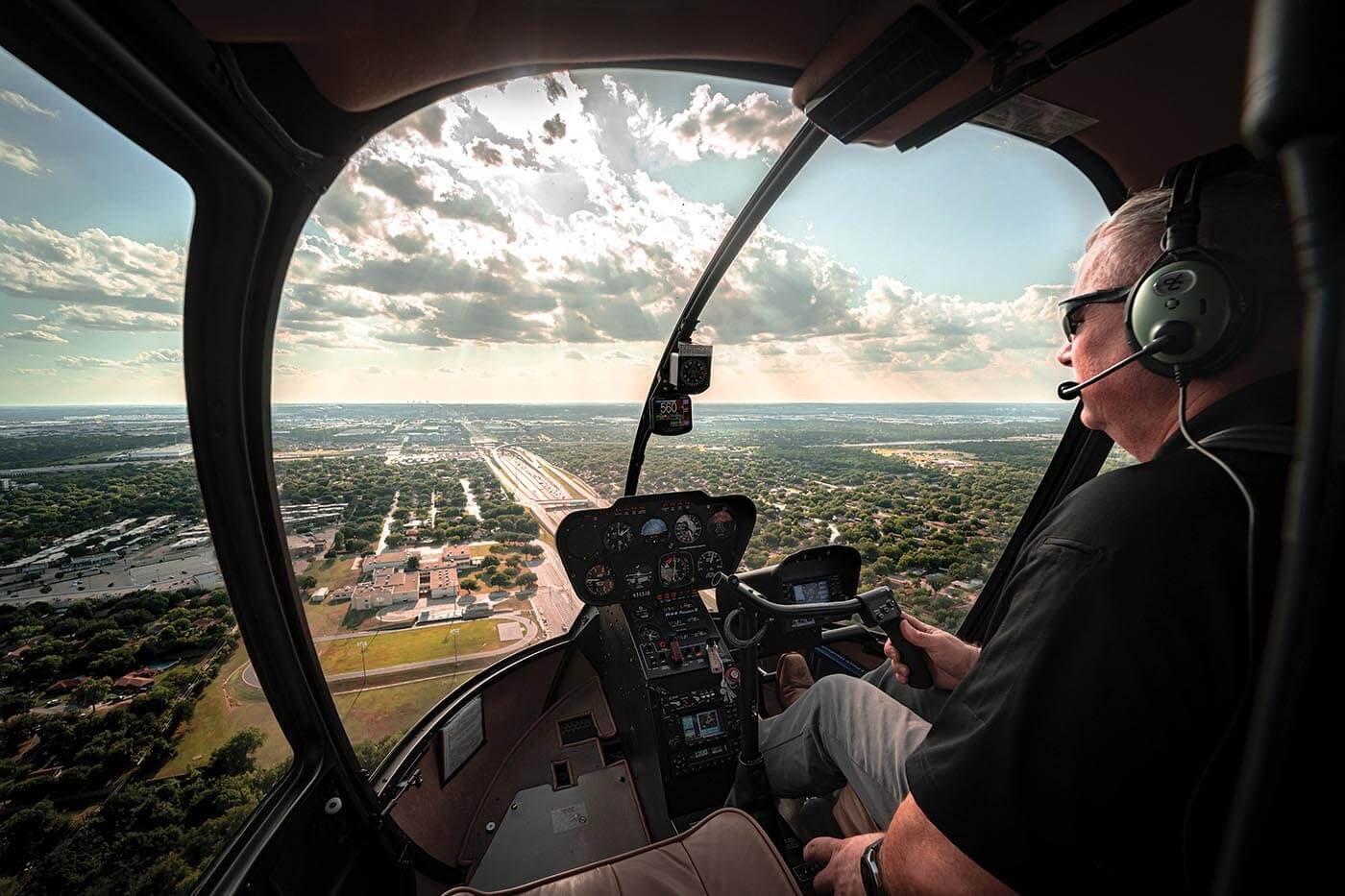
Pilots who complete a helicopter model’s factory training walk away knowing how to safely fly the aircraft. What they don’t learn in the course is how to safely and most efficiently operate that model in their specific missions.
Texas-based Helicopter Institute is closing the gap between learning to safely fly a specific model and how to effectively deploy it in real world operations with its growing Beyond Factory Training initiative.
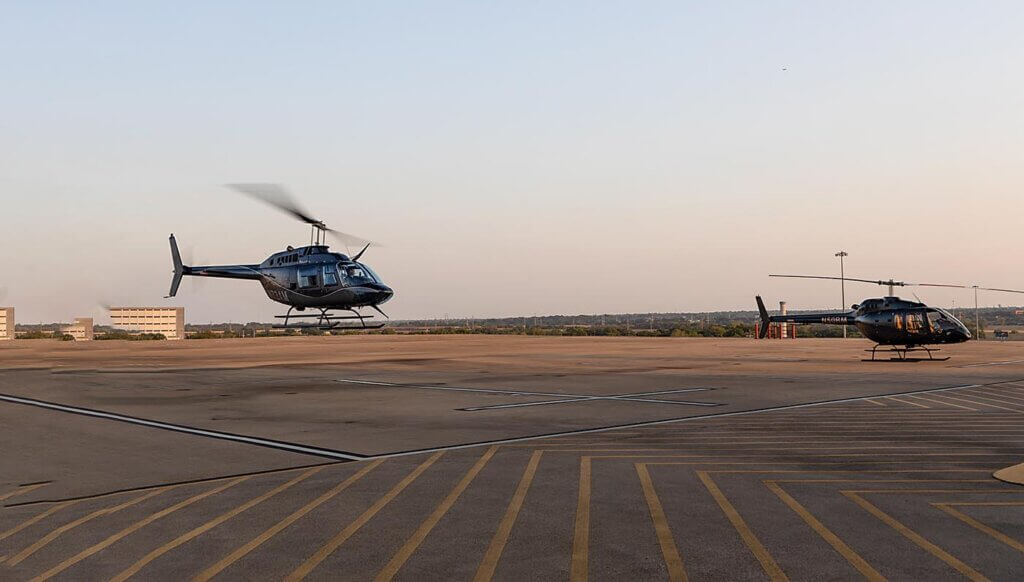
“Our Beyond Factory Training takes what you’d learn at an OEM factory course to a higher level,” said Randy Rowles, president of Helicopter Institute. “As a factory equivalency course, it teaches everything a student would learn at the OEM [original equipment manufacturer] to fly the aircraft in the first phase. It’s recognized by all the major insurance companies for meeting those requirements. The second phase is customized to each student, giving them specialized training in deploying the aircraft in their actual mission, whether that’s charters, firefighting, utility, law enforcement, search-and-rescue, mountain operations, aerial application, floats, and water landings—you name it.”
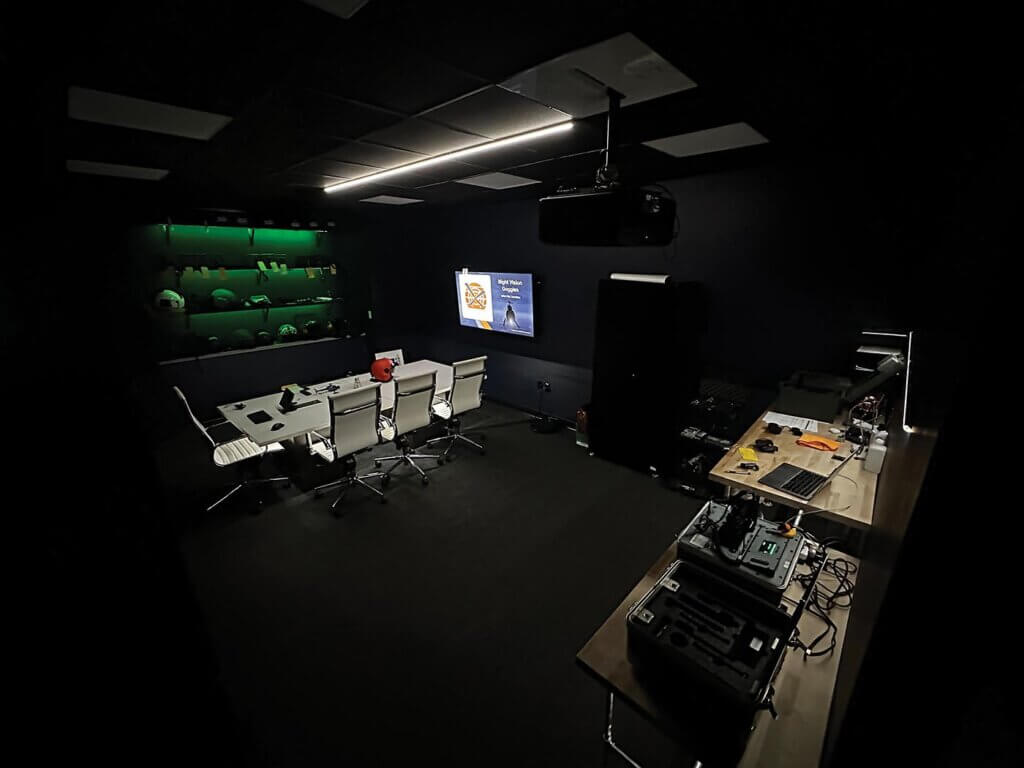
For instance, Rowles explained, a fire agency acquiring a new helicopter might need its pilots trained not only on the aircraft, but on Bambi bucket operations, water source approaches, and fire-science fundamentals. Or a law enforcement unit may require not only recurrent factory-level training on their aircraft, but also night vision goggle (NVG) or tactical flight officer (TFO) training in that same model.
In both scenarios, and in many more, Helicopter Institute delivers the requested training with certified flight instructors not only trained in mission-specific operations, but often highly experienced in performing those missions in the aircraft they’re training the students to operate.
Flexible Full-Service Training
Helicopter Institute’s Beyond Factory Training initiative includes initial or recurrent training, all on the customer’s schedule, as opposed to scheduled classes. In contrast to standardized OEM training, the program is built around each operator’s environment and mission.
“These courses are not generic,” Rowles emphasized. “They’re customer-driven. Every course is custom-made, based upon the need of the entity and the experience of their staff, so they get the most out of the course.”
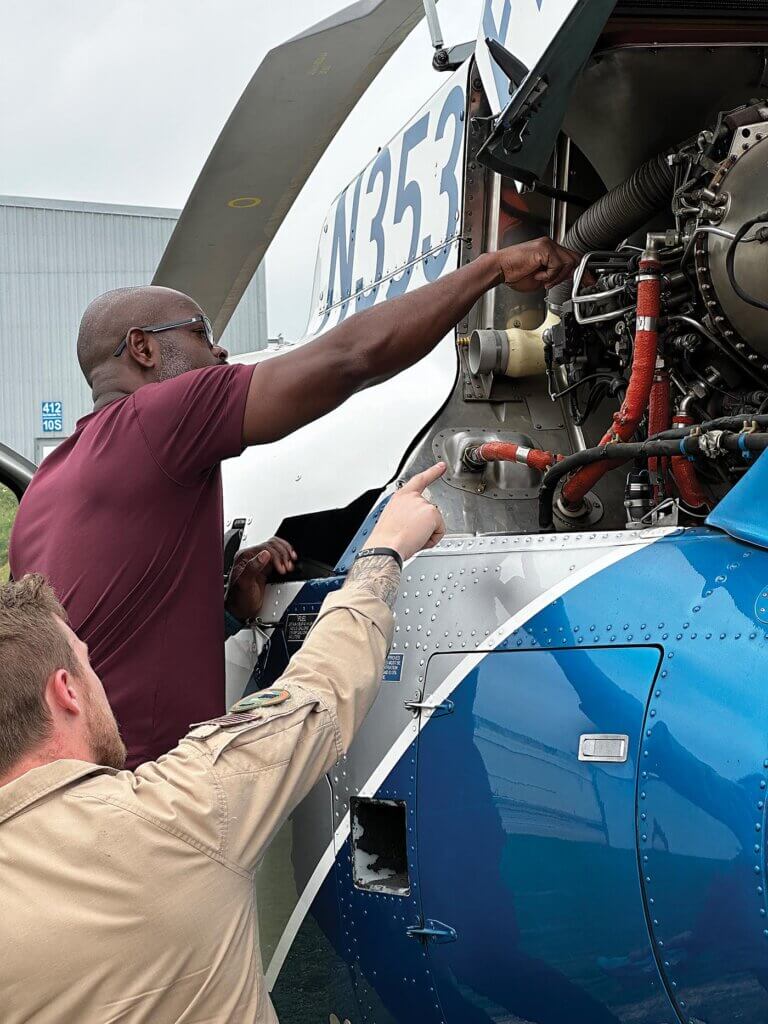
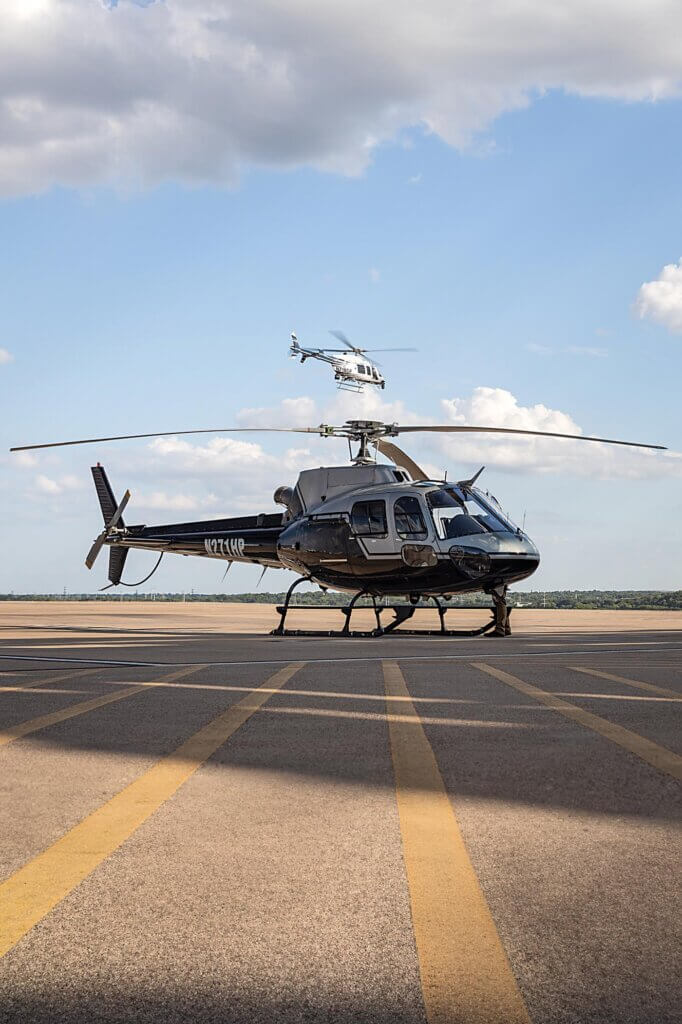
Helicopter Institute maintains its own fleet of Bell 206, 407, 429, and 505, Airbus AS350, and Robinson R22 and R44 helicopters, for on-site training in North Texas, but a significant portion of Beyond Factory Training happens in customers’ aircraft, on their home turf, using Helicopter Institute instructors trained to instruct in the customers’ aircraft make and model.
“We actually encourage training off-site, because it’s their equipment and it’s their environment, where they’re going to deploy the aircraft and operations we’re training them for,” Rowles explained. “For instance, we had a customer in Spokane, Washington, that needed mountain training as well. Mountain training isn’t an option here in the Fort Worth area. It made sense to deliver the training in their aircraft, where we could train in the mountains. A customer up there is going to require a different type of training than one in, say, South Florida. That’s why we offer to train at the customer’s location, in the aircraft they fly and the environment where they fly, because everyone’s situation is different.”
That customization extends to recurrent training, which receives regular positive customer feedback.
“We recently had a customer who had been doing the exact same OEM TFO course for five or six years,” explained Cody Sargeant, chief instructor at Helicopter Institute. “Every time he went back, he did the exact same maneuvers every time. Here, we adapt. If a customer is proficient in a required skill, we shift and focus on what’s actually beneficial and lean towards his training needs.”
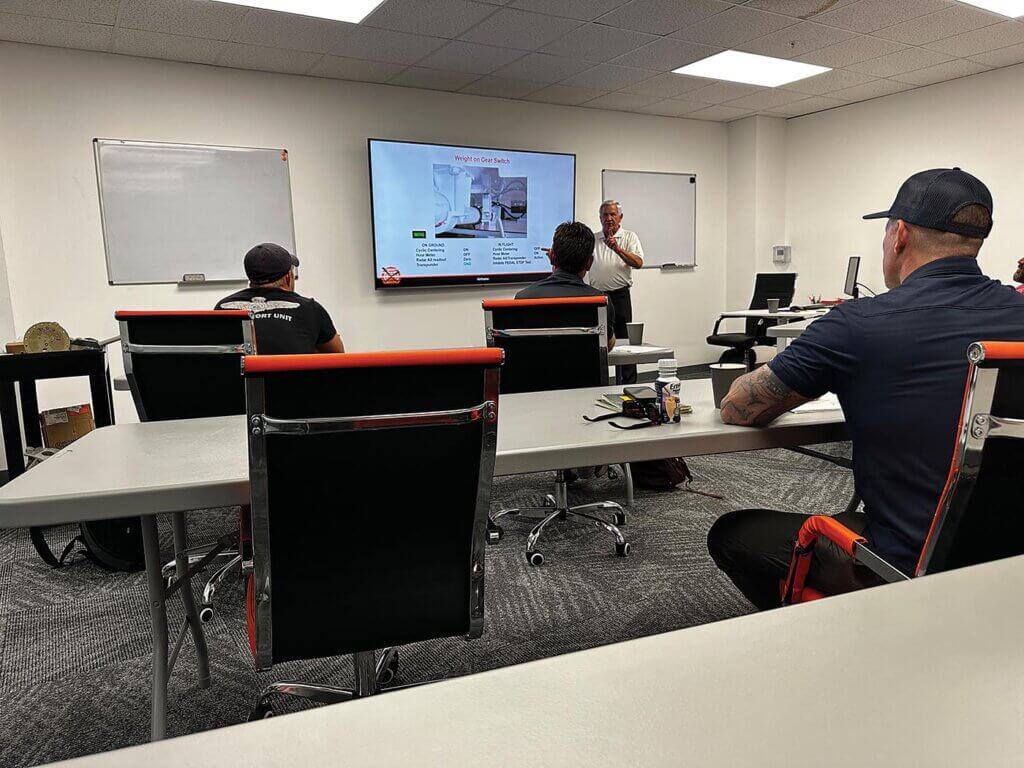
Beyond Training
As a generation of experienced pilots retires, the institutional knowledge they carry is disappearing. This structural shift is leaving a gap in qualified mentors to help move the industry forward with new companies and installing updated aircraft.
“Beyond Factory Training is also a mentorship program for organizations that need it,” Rowles said. “We’re administratively giving that mentorship into the deployment of the helicopter’s capabilities.”
Whether the customer needs help preparing for a new helicopter type, adding capabilities to an established operation, or is beginning a ground-up helicopter venture, the Beyond Factory Training initiative offers support.
That mentorship extends to leadership development—teaching company leaders, for instance, how to manage a Federal Aviation Administration (FAA) Part 135 operation, navigate the FAA, and build internal training programs. A recent customer in the program went from acquiring a new helicopter to flying 135 operations in two months.
“For operators needing anything from recurrent training to building from scratch, our program offers companies a single contract solution from the moment they acquire the aircraft to the day they deploy it on mission, and beyond,” Rowles said.
This sponsored article was developed by Insight magazine, the sponsored content division of MHM Publishing, on behalf of Helicopter Institute.
