


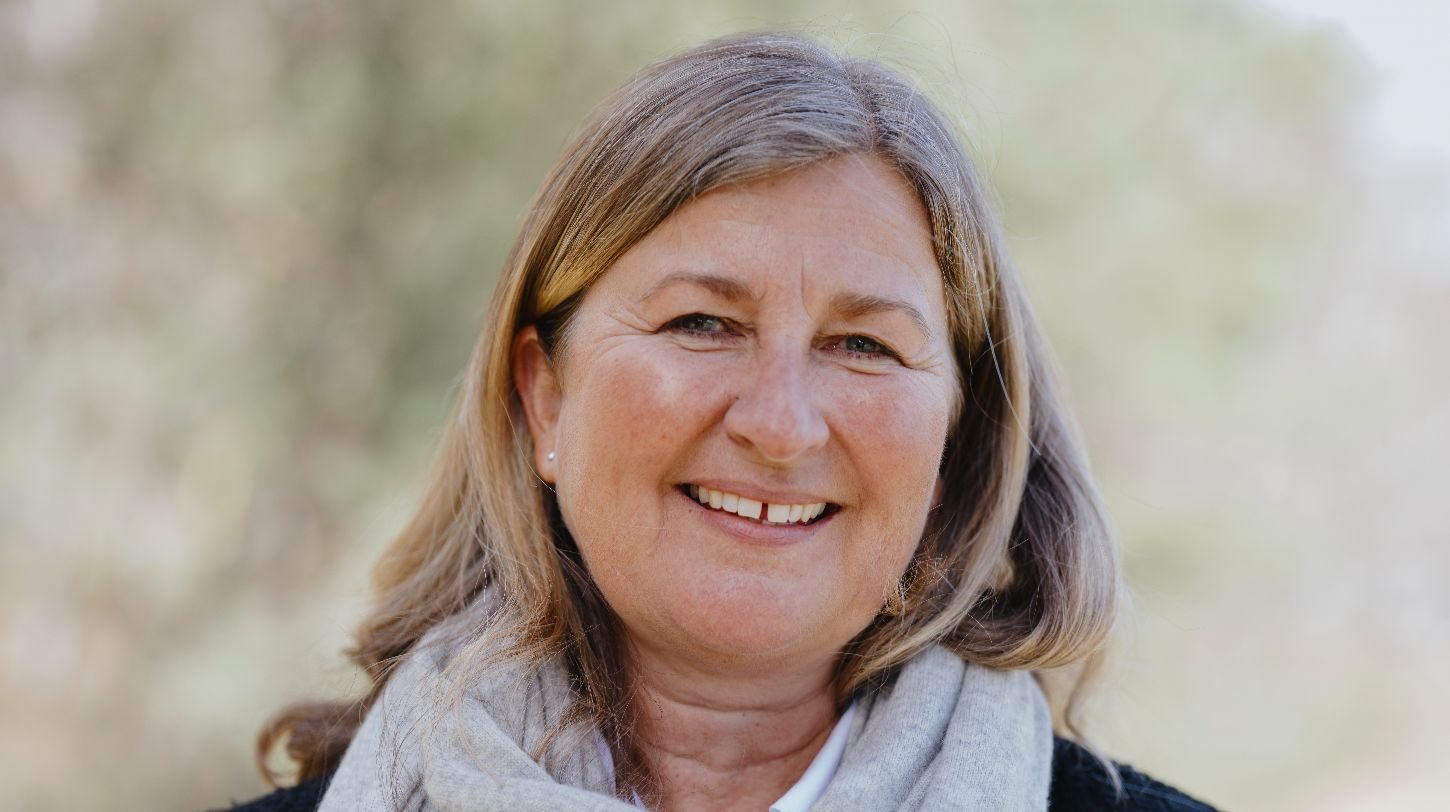
At the inaugural Automated Mobility Summit, which took place at Innovation Park Zurich on May 4-5, 2026, discussions focused on integrating autonomous mobility with public transportation. Autonomous Vehicle Tech Expo’s Charlotte Iggulden spoke with Vibeke Harlem, director – radical innovation at Ruter, about Norway’s new service to scale autonomous mobility and achieve fully driverless operations by 2027.
What is your involvement with PAVE Europe?
I’ve been a board member for over two years and now serve as vice chair, invited due to my experience in autonomous mobility.
What motivated you to participate in the Automated Mobility Summit?
We held a PAVE Europe meeting alongside the event. Switzerland is a leader in AV testing; I’ve followed its progress since my first experience there in 2017.
What similarities does Switzerland share with Norway?
There are similarities, but Norway has a longer history with electrification and ambitious goals to reduce emissions and private car use. We aim for zero traffic growth in Oslo by reducing driven kilometers. We are planning a shared service integrated into public transport, but competitive with private cars.
How do you gain public acceptance?
Changing behavior from private car ownership to shared services is challenging, despite private cars sitting idle 90%-95% of the time. Our Oslo Study shows combining high‑capacity public transport with shared AVs can replace private cars. The service must be an affordable alternative and deliver the same expectations: convenience, reliability and availability.
What were the key findings from Ruter’s mobility study?
It was a theoretical study investigating how autonomous cars could change transport in cities. The best outcome is when autonomous vehicles are shared and integrated with public transport – not when every private car is autonomous. This can free space, reduce vehicles and cut driven kilometers, while keeping public transport, cycling and walking as the backbone. Around 30,000 shared vehicles could replace 600,000 private cars and reduce driven kilometers by up to 30%.
What was the message you wanted to convey in the panel discussion ‘From Safety to Public Trust: What Will it Take?’
People already trust public transport authorities, but they need to experience the technology. Once they do, it quickly feels normal and safe.
What builds that trust?
The service must be smooth and deliver on expectations – reliable pickups and timing. In our Oslo pilot, one user made 650 trips, relying on it for everyday needs.
What is the next phase?
We are moving to MOIA’s service with Volkswagen ID Buzz vehicles, which are better suited for ridesharing and helping us achieve fully driverless operations by 2027.
Are there any obstacles?
Technology and partners must deliver, and we need to learn from customers and running the service in real life.
How can you prove safety?
Authorities require testing, documentation and extensive real-world driving before moving from a safety driver to fully driverless operation. For users, trust also depends on clear information and proactive customer service.
What is a key industry challenge?
Moving beyond small pilots to start scaling. We need technology that works across speed limits and weather conditions, and can be shared between users.
It’s still new and quite expensive, so financing is important.
How have you helped shape Ruter’s strategy?
Ruter has always had ambitious goals and a long-term strategy. Back in 2016-17, we began exploring how to make existing public transport autonomous, reduce costs and improve safety. We were also seeing a growing shortage of drivers.
The car industry is moving very fast. Even though we have strong public transport, most people still choose to drive. And with electric cars, people are driving up to 15% more.
We needed something new – a service that both complements public transport and competes with the private car.
How is Ruter influencing public mobility?
Ruter’s innovative leadership team and CEO focus on technology, data and AI. The goal is to deliver sustainable freedom of movement and more livable cities. We are publicly owned, so we aim to build better mobility services. That means continuous testing, learning and improving. Autonomous vehicles are an important part of the future of public transport.
What’s one trend that will define the next five years of the autonomous vehicle industry?
AI, data and insight are going to play a key role going forward. Hopefully, we will see a shift toward sharing, combined with better integration across all mobility modes – from shared service and micromobility. And I believe many cities and regions in Europe are interested in following our strategy.
How can Ruter support Switzerland?
They are really forward-leaning; there are many opportunities for collaboration, and cooperation is already underway.
What audience do you hope attended your presentation at Automated Mobility Summit 2026?
You need the right people to make this work. From our perspective, it’s about bringing the whole ecosystem together: authorities, public and private partners, industry, and the users – the citizens.
Moving from pilots to real autonomous services is less about specific capabilities like technology and operations, and more about getting the whole system to work together.
PAVE Europe is an association partner of Vehicle Tech Week Europe, Europe’s landmark event for vehicle technology that will take place at the Messe Stuttgart, Germany, on June 23-25 and bring together Autonomous Vehicle Tech Expo, Automotive Interiors Expo and Automotive Testing Expo.
Join the PAVE Europe panel discussion AVs & public acceptance – how can engineers help ready the public for widespread deployment?, which will take place on Day 3 of Autonomous Vehicle Tech Expo Europe at 12:10pm in Room 1 as part of Safe autonomous deployment session 3.
