


RTX chief says: “The business model is going to need to change.”
For decades, turbofan manufacturers have made most of their money on hefty aftermarket sales, often selling engines at steep discounts.
But that strategy may be set to change for Connecticut producer Pratt & Whitney (P&W), which aims to make more money on the front end when it introduces its next-generation turbofans, says P&W parent RTX’s chief executive Chris Calio.
“The next-generation single-aisle, especially on the propulsion side, will need to have a different business model,” Calio said on 23 July during RTX’s second-quarter earnings call.
“The idea that we’re going to invest all this money up front and then not have high margins on deliveries, and then rely on… four to six shop visits over a 25-year period – I don’t think that is the best model going forward,” he adds.
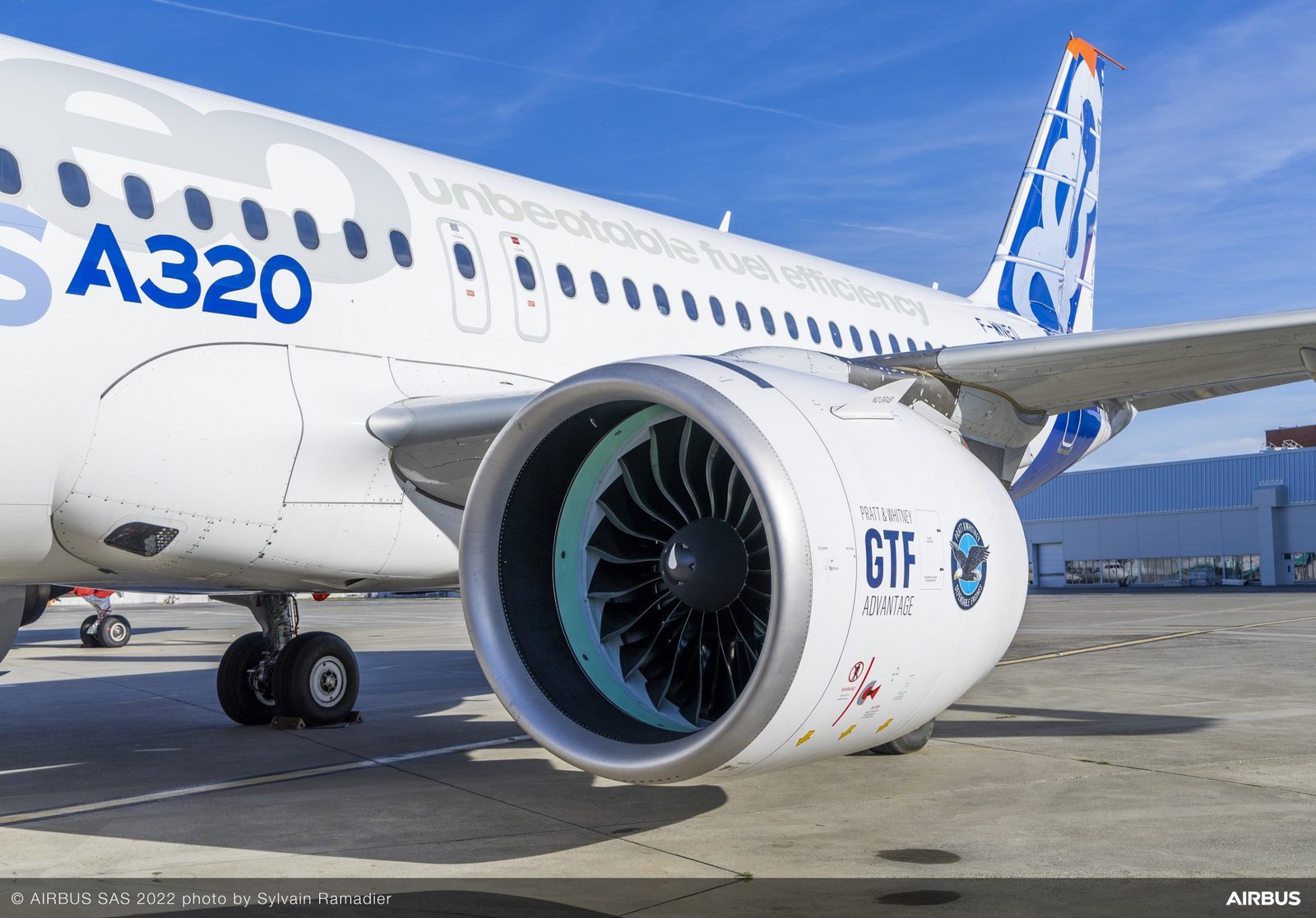
Calio spoke as P&W works through an expensive multi-year recall of PW1000G geared turbofans (GTFs) due to durability problems. As a result, the company has taken a financial hit against an already expensive development programme.
Other turbofan developers follow similar service-heavy strategies, often selling engines at discounts, even losses, before recouping revenue on the back end, says Richard Aboulafia, managing director at consultancy AeroDynamic Advisory.
Aftermarket work accounted for about 60% of P&W’s 2023 sales, RTX noted in a 2024 investor presentation.
Similarly, GE in a 2024 investor presentation said it aimed for initial sales to account for 25% of revenue generated from widebody engines, with aftermarket revenue over more than 20 years making up the balance – including 20% from an early-life shop visit, 30% from two mid-life visits and 25% from later support.
The revenue split differs by manufacturer and engine programme.
“The breakdown depends on whether or not there’s a choice of engines on a given aircraft,” says Aboulafia.
“If there is a choice, there’s basically almost no revenue from the sale of the engine, and it all comes from aftermarket,” he adds. “If there isn’t a choice, it really depends on how long an engine is in service and many other variables, but there’s something from the up-front sale.”
RTX is now eying a different model, specifically for the engine P&W develops for new narrowbody jets Airbus and Boeing are expected to bring to market in the late 2030s. P&W has said it will offer an updated GTF.
“I think we need to smooth out some of those cash flows and some of that investment, and we’re open to any number of ways to do that,” Calio says.
“The business model is going to need to change in the future and that’s something we’re going to continue to drive,” he adds.
Subscribe to gain access to all news
Already have a subscription? Log in.
Choose your subscription
Considering a corporate subscription? Contact us to find out more.
