



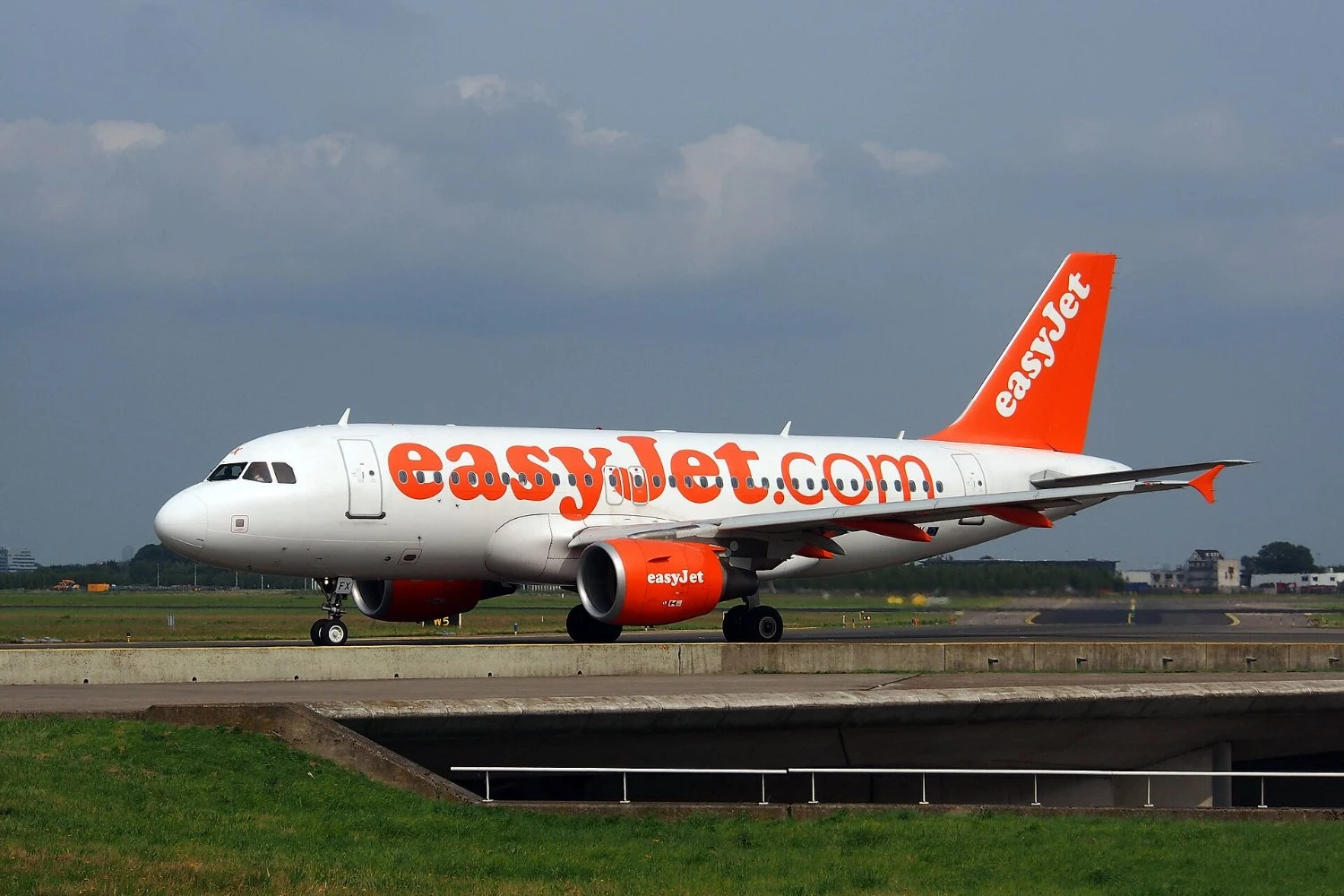
Six Airbus A319s grounded at European airports following Russia’s invasion of Ukraine have placed easyJet at the center of a lawsuit seeking at least US$72 million, more than four years after the airline terminated their leases.
STLC Europe Eight, an Irish company ultimately linked to Russian state-owned lessor GTLK, filed the case at London’s High Court. The legal action was first reported by the Financial Times.
The six aircraft were leased by easyJet from STLC when sanctions imposed following Russia’s invasion of Ukraine complicated the relationship between European airlines and Russian-owned leasing companies.
EasyJet notified STLC in April 2022 that it was terminating the leases, arguing that European Union sanctions prevented it from maintaining or repairing the aircraft. The jets were subsequently left at airports in Madrid, Spain, and Larnaca, Cyprus.
Follow Air Data News: WhatsApp | Instagram | LinkedIn | Twitter | Facebook
STLC disputes easyJet’s interpretation of the sanctions. Its lawyers argue that the restrictions did not prevent the leases from continuing because the aircraft were outside Russia and the company leasing them to easyJet was based in Ireland.
The airline has not yet filed its defense with the court and said it intends to contest the claim in full.
Three aircraft remain in Madrid
The six A319s were split equally between Spain and Cyprus. STLC eventually recovered the three aircraft stored at Larnaca and sold them, but claims their deteriorated condition reduced their value by at least US$32.5 million.
The other three aircraft remain in Madrid and have yet to be sold, according to the Financial Times.
The lessor is seeking at least US$36.7 million in unpaid rent and interest, in addition to the US$32.5 million claimed depreciation on the aircraft recovered in Cyprus. Another €2.8 million is being sought for airport charges.
The final amount could increase because losses associated with the three aircraft still in Madrid have not yet been fully calculated.
STLC Europe Eight is part of GTLK Europe, the Irish operation of Russia’s State Transport Leasing Company. GTLK Europe entered liquidation in 2023 after sanctions disrupted its business, and liquidators have since been attempting to recover assets for creditors.
Sanctions left complex leasing disputes
The case differs from the better-known disputes involving hundreds of Western-owned aircraft that remained in Russia after the invasion of Ukraine. In this instance, the aircraft themselves were in the European Union, while their ownership ultimately connected them to a sanctioned Russian state company.
That distinction is now at the center of the disagreement. EasyJet argues the sanctions made continued performance of the leases impossible, while STLC maintains that the location of the aircraft and the Irish identity of the contractual lessor meant the airline was not entitled to terminate the agreements in the manner it did.
Aircraft leasing became one of the aviation industry’s largest financial consequences of the sanctions imposed on Russia in 2022. Lessors terminated contracts covering hundreds of aircraft operated by Russian airlines, but many of those jets remained in the country after Russian authorities prevented their return.
The resulting disputes subsequently shifted toward insurers and reinsurers over whether policies covered the loss of aircraft that lessors could no longer recover.
In 2025, London’s High Court ruled that insurers were liable for losses involving aircraft stranded in Russia, putting AerCap in line for a payment exceeding US$1 billion. The easyJet case addresses a different consequence of the same sanctions, involving aircraft that never became trapped in Russia but nevertheless ended up stranded for years.
