


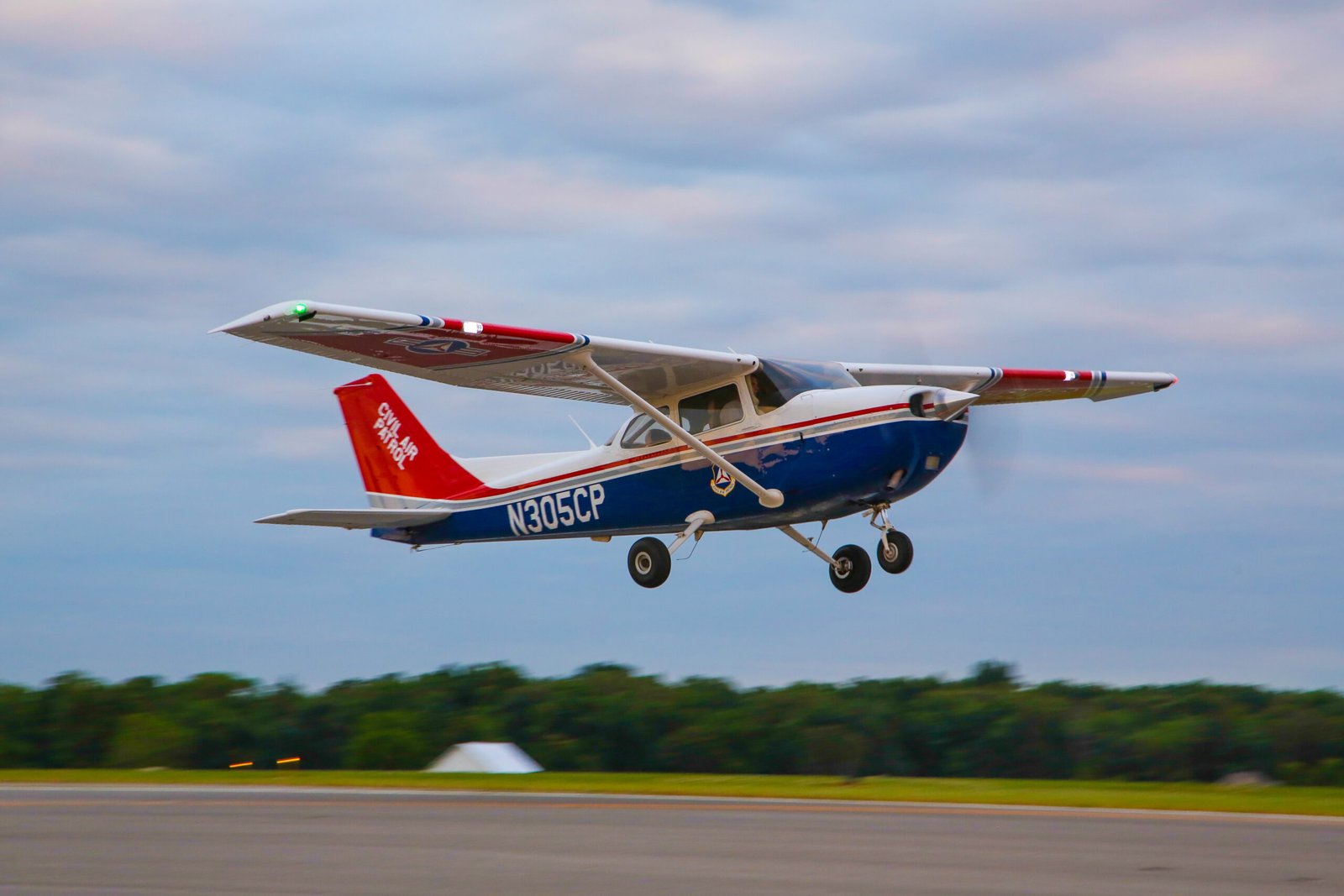
Civil Air Patrol Cadet Capt. Sebastian Vargas became the 200th CAP student pilot supported by the Ray Foundation to earn a private pilot certificate. Vargas completed his FAA check ride June 24 through McCreery Aviation at McAllen Miller International Airport in Texas, according to a recent CAP release.
Scholarship Milestone
Vargas belongs to the Texas Wing’s Wild Horse Desert Composite Squadron in Edinburg. His training was funded through a James C. Ray Flight Training Scholarship under CAP’s Cadet Wings program. The merit-based program began in 2019 through funding from the U.S. Air Force. The Ray Foundation has contributed $3.26 million to the program during the past four years.
“The Ray Foundation funding helped take the burden off of my parents financially, and we are forever grateful for that,” Vargas told CAP.
He said the scholarship allowed him to concentrate on training instead of the financial and logistical requirements involved in completing a private pilot certificate.
Training And Future Plans
Vargas joined CAP in 2021 and took his first orientation flight the following year. He attended a powered flight academy in Wisconsin in June 2025 before entering Cadet Wings. He spent nearly six months in the scholarship program and approximately 16 months preparing, studying and completing flight training. His squadron commander, 1st Lt. Eric Madore, served as his Cadet Wings mentor and followed his progress through his solo, cross-country and check-ride milestones.
Vargas plans to continue flying through CAP and build flight time while applying to the U.S. Air Force Academy. His longer-term goals include flying the C-17 for the Air Force and later pursuing an airline career.
CAP said Cadet Wings has produced more than 500 new pilots through Cadet Wings since the program began. The program has taken on added importance as CAP shifts resources toward powered-flight opportunities following its decision to end the national glider program, which the organization attributed to an aging fleet, limited participation, instructor shortages and rising replacement and maintenance costs.
