


Teledyne FLIR OEM joins DUTCH initiative focused on performance, SWaP-C, and high-volume domestic production
Teledyne FLIR OEM has been selected to support a U.S. Army initiative aimed at advancing next-generation uncooled thermal imaging technology.
The company will participate in the Delivering Unmatched Thermal Capability Hastened (DUTCH) initiative. The program is led by the Office of the Assistant Secretary of War for Critical Technologies and the U.S. Army Combat Capabilities Development Command (DEVCOM) C5ISR Center.
The DUTCH initiative focuses on strengthening U.S. thermal sensor capabilities. It aims to improve the performance of uncooled thermal sensors while reducing size, weight, power, and cost, known as SWaP-C.
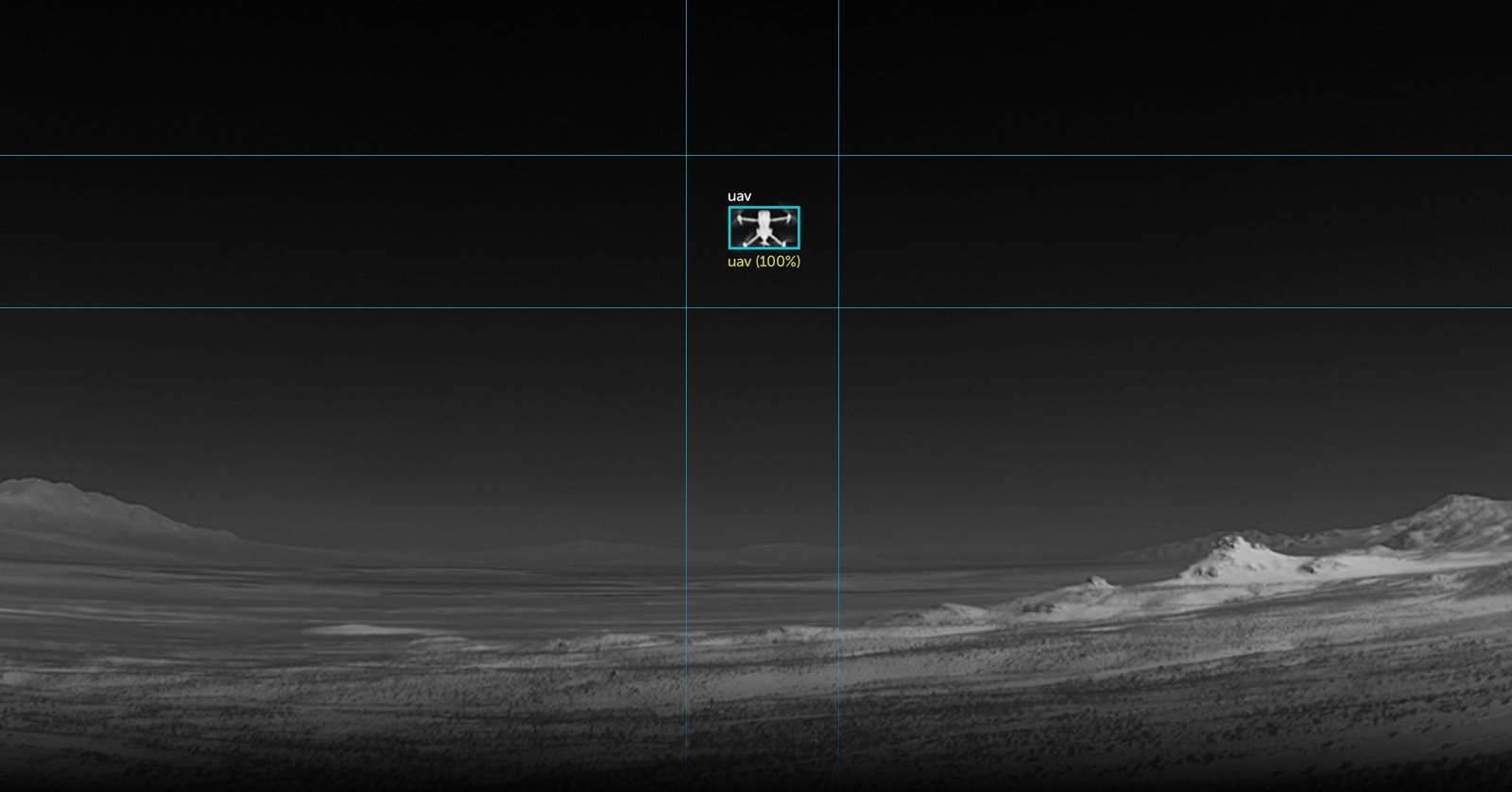
The program also seeks to scale these technologies for high-volume production. This could support future defense programs that need large numbers of thermal sensors. Applications include uncrewed aerial systems, loitering munitions, thermal binoculars, and weapons sights.
Supporting U.S. Army Modernization
Under the award, Teledyne FLIR OEM will continue developing uncooled thermal imaging technologies. The company will also provide system integration expertise for development and demonstration efforts.
The work builds on Teledyne FLIR OEM’s investment in small-pixel-pitch uncooled thermal technology. The company has also developed products designed for integration across defense and uncrewed applications.
“Teledyne FLIR OEM is proud to contribute to the U.S. Army’s efforts to accelerate next-generation uncooled thermal performance while strengthening a secure, resilient domestic industrial base,” said Paul Clayton, president of Teledyne FLIR OEM. “Our ability to deliver state-of-the-art, NDAA-compliant thermal imaging solutions on time and at scale helps reduce program risk and ensure reliable long-term access for critical defense programs, like Drone Dominance.”
Uncooled thermal cameras detect infrared radiation without requiring the cooling systems used in some higher-performance thermal sensors. Their smaller size and lower power needs can make them useful for drones and other platforms where weight, power consumption, and cost matter.
Building Domestic Thermal Imaging Capacity
The DUTCH program also reflects a broader focus on U.S. manufacturing and secure supply chains for defense technologies.
According to the announcement, the initiative supports Department of War priorities for secure microelectronics supply chains and domestic manufacturing of mission-critical technologies. Teledyne FLIR OEM describes itself as a U.S.-based non-traditional defense contractor with experience in high-volume manufacturing and system integration for uncooled thermal imaging.
“A trusted, scalable, and resilient domestic supply of high-performance thermal imaging camera modules is vital to U.S. national security,” said George Bobb, President and Chief Executive Officer of Teledyne Technologies. “Across Teledyne, we are committed to moving quickly to develop and deliver the critical defense technologies needed by our war fighters.”
Teledyne FLIR OEM manufactures ITAR-free and NDAA-compliant infrared sensors and camera modules. Its products serve defense, automotive, uncrewed, professional, and artificial intelligence applications.
Read more:

Miriam McNabb is the Editor-in-Chief of DRONELIFE and CEO of JobForDrones, a professional drone services marketplace, and a fascinated observer of the emerging drone industry and the regulatory environment for drones. Miriam has penned over 3,000 articles focused on the commercial drone space and is an international speaker and recognized figure in the industry. Miriam has a degree from the University of Chicago and over 20 years of experience in high tech sales and marketing for new technologies.
For drone industry consulting or writing, Email Miriam.
TWITTER:@spaldingbarker
Subscribe to DroneLife here.
