


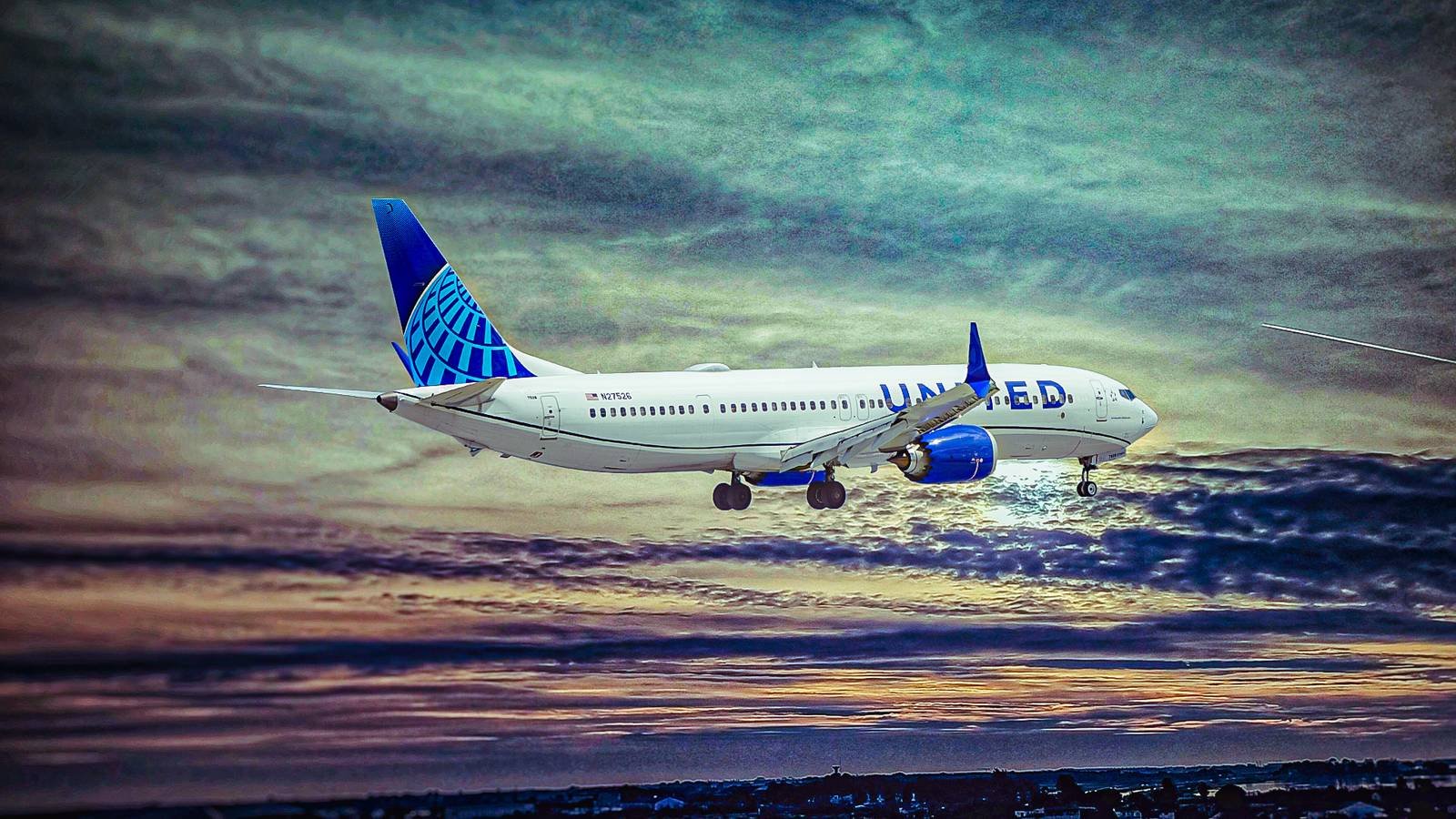
A United Airlines pilot took the situation into their own hands earlier this month after a passenger activated a hotspot with a politically provocative network name. The hotspot name onboard read “Free Palestine, F Zionists,” according to an account of the event posted on Reddit.
The pilot announced that the individual would have “30 seconds” to remove or disable the hotspot, or they would summon law enforcement, specifically the Federal Bureau of Investigation (FBI), to meet the aircraft when it landed. This created a very tense environment on board the jet, as the individual who first posted about the experience described the incident.
United Airlines Wi-Fi Hotspot Incident

The passenger who originally posted about this experience said the situation was very strange and uncomfortable due to the harsh and direct response of the pilot. While there was no direct threat message in the name of the network, heightened security sensitivity around Israel-related travel prompted the strong response. Additionally, the pilot did not state that there would be any intervention by cabin crew or any other type of response before immediately jumping to calling the FBI.
It is understandable to many, including the passenger who posted this account, that pilots and airline staff in the post-9/11 era of commercial flying are extra cautious. Yet, even the poster said that it felt like “a stretch” to claim the hotspot was a genuine, incredible danger. In the account, he described the atmosphere on the plane after the captain’s announcement in these words:
“The entire cabin got dead silent. You could feel everyone looking around, trying to figure out who it was. Some people looked nervous, some looked annoyed, and others were laughing because they thought it was absurd.”
The Serious Consequences For In-Flight Threats

Other airplanes have been diverted or even intercepted because of Wi-Fi names such as “I HAVE A BOMB. EVERYONE WILL DIE” on  Turkish Airlines flight TK-1853 in January. Fox News reported the plane was cruising over the Mediterranean when it diverted to Barcelona El Prat International Airport and it was met by explosion-sniffing police dogs. In February, a Wizz Air flight from London Luton Airport (LTN) to Tel Aviv (TLV) was intercepted by Israeli fighter jets when a passenger’s personal Wi-Fi hotspot name appeared to read “terrorist.”
Just this month, a KLM flight from Málaga to Amsterdam was delayed for several hours on the tarmac because a passenger broadcast a hotspot network with the name: “Allahu Akbar – er is een bom aan boord,” translating to “God is great – there is a bomb on board” according to NL Times.

2 United Airlines Flights Evacuate Due To Bomb Threats On Back-To-Back Days
Two United Airlines flights were disrupted over the weekend following separate onboard security incidents that prompted emergency responses.
A Complicated Situation

Paddle Your Own Kanoo described the Wi-Fi hotspot name as anti-Semitic and emphasized that private air carriers have the right to refuse passengers with clothing and blazing political slogans, as well as other forms of political expression. Many politicians claim that opponents of Israel and detractors of the Jewish people use the word Zionist as a substitute for Jew in order to avoid accusations of discrimination.
The claim that criticizing Zionists or Zionism is inherently anti-Semitic is an ongoing debate. The use of a provocative and expletive hotspot name alone is enough for an airline to take action, although calling for the FBI may be overkill in this situation. However, given the history of security incidents involving Israel and commercial aviation over the decades, the pilot’s concern for the safety of the flight is not without merit.
Starting in the 1960s, Palestinian militant groups made commercial aviation one of their primary targets, carrying out a series of hijackings over the decades. Due to ongoing security concerns, Israeli commercial aircraft are equipped with defense systems and enhanced protocols, becoming the most heavily-guarded commercial jets in the skies.
