


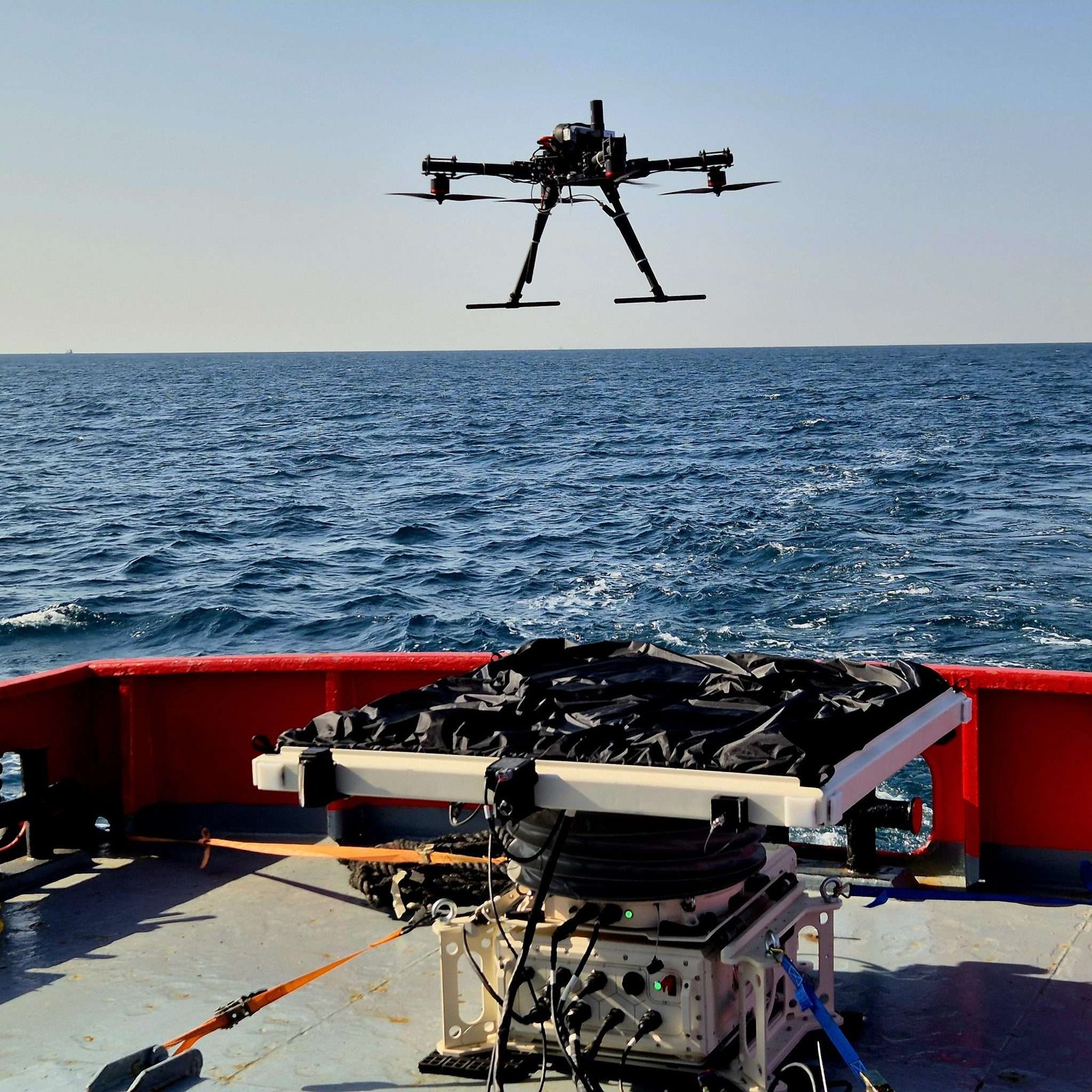
As offshore energy assets move farther from shore, operators face growing challenges in inspection, maintenance, and emergency response. This week, maritime autonomous infrastructure developer WaiV Robotics announced its official entry into the U.S. market, bringing its autonomous drone launch and recovery technology to offshore operators across the country.
The London-based company says its platform enables drones to launch, land, and redeploy directly from moving vessels. The system combines artificial intelligence with a patent-pending landing and recovery mechanism designed to support operations in challenging maritime conditions.
The U.S. expansion follows a recent $7.5 million seed funding round and comes as offshore wind and oil and gas projects continue to expand into more remote waters.
Addressing a Longstanding Maritime Challenge
Drones have become valuable tools for offshore inspections, infrastructure monitoring, and emergency response. However, recovering a drone safely on a moving vessel remains a major operational challenge.
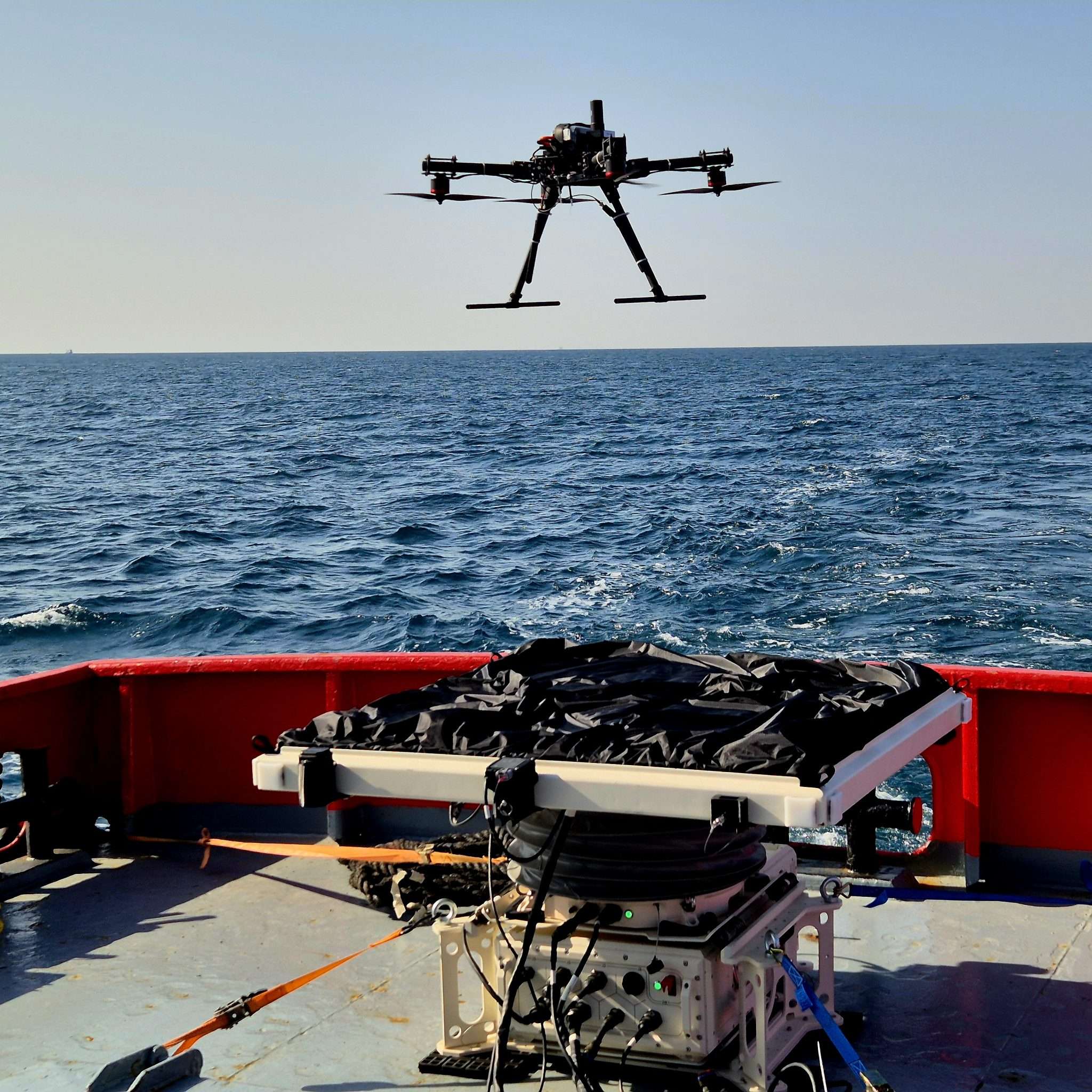
Sea state, vessel motion, wind, and limited deck space can all complicate drone landings. In many cases, operators rely on manual recovery methods that require skilled pilots and favorable conditions.
WaiV says its system addresses that challenge by automating the final stages of the landing process. The company describes itself as the first to solve fully autonomous UAV landings at sea.
According to WaiV, the platform includes a gyro-stabilized landing surface that compensates for vessel movement caused by waves. An AI-enabled flight control system takes control during the final approach phase. The platform also uses a proprietary landing pad that absorbs impact and secures the aircraft after touchdown.
The company says the system works with a broad range of vertical takeoff and landing (VTOL) aircraft, including multirotor, fixed-wing, and helicopter-configured UAVs. WaiV states that operators can use the system without modifying the aircraft.
Applications for Offshore Energy
The company sees offshore energy as a key market for the technology.
In offshore wind operations, drones can inspect turbines and other infrastructure without requiring personnel to access difficult locations. In the oil and gas sector, drones can support routine inspections, identify potential leaks, monitor critical assets, and assist response efforts when incidents occur.
As offshore facilities move farther from shore, the ability to launch and recover drones from vessels can extend operational reach and reduce response times.
Rather than serving as single-use inspection tools, WaiV’s platform is designed to allow drones to conduct repeated missions from the same vessel throughout an operation.
“The future of offshore energy depends more than where assets are deployed; it also depends on the ability to maintain and support them over time,” says Johnny Carni, Founder and CEO of WaiV Robotics. “As energy assets continue to move farther from shore, operators need more efficient ways to maintain, support, and respond to issues across remote infrastructure. Our platform was built to make UAVs a reliable part of offshore operations, ensuring they can be used for missions where speed, safety, and access matter most. As we expand into the U.S., we look forward to helping American operators transform their existing vessels into dependable hubs for all types of maritime operations.”
Expanding Maritime Drone Infrastructure
While much of the drone industry has focused on aircraft capabilities, offshore operations often depend just as heavily on supporting infrastructure. Reliable launch and recovery systems can help determine whether drones can operate consistently in real-world maritime environments.
WaiV Robotics was founded to address that challenge. The company develops autonomous maritime infrastructure that combines stabilization systems, sensor-based control, and secure landing technology for drone operations from moving vessels.
In addition to commercial energy applications, the company says its technology is intended to support broader maritime and defense operations where reliable drone deployment is critical.
As offshore industries continue to seek safer and more efficient ways to monitor remote assets, autonomous launch and recovery systems may become an increasingly important part of the maritime drone ecosystem.
Read more:

Miriam McNabb is the Editor-in-Chief of DRONELIFE and CEO of JobForDrones, a professional drone services marketplace, and a fascinated observer of the emerging drone industry and the regulatory environment for drones. Miriam has penned over 3,000 articles focused on the commercial drone space and is an international speaker and recognized figure in the industry. Miriam has a degree from the University of Chicago and over 20 years of experience in high tech sales and marketing for new technologies.
For drone industry consulting or writing, Email Miriam.
TWITTER:@spaldingbarker
Subscribe to DroneLife here.
