


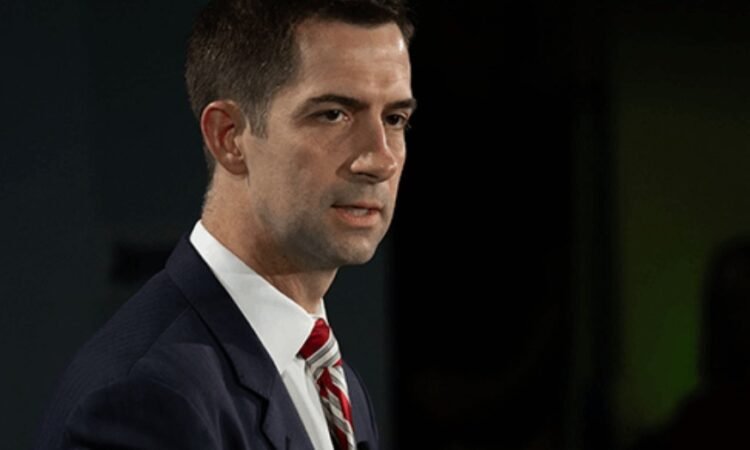
US Senator Tom Cotton (R-Arkansas) has introduced S. 4380 bill which will give critical infrastructure sites the legal authority to take down unauthorized drones.
“The Critical Infrastructure Airspace Defense Act enhances security at critical infrastructure sites by ensuring federally trained individuals have the authority and tools to protect the sites from unmanned aerial threats in real-time,” says a press release from the Senator’s office. “This legislation expands on bipartisan counter-drone measures introduced by Senator Cotton and passed in the FY2026 National Defense Authorization Act (NDAA).”
“Our hospitals, power plants, water treatment facilities, and other critical infrastructure sites can’t remain sitting ducks for potential drone attacks. My bill will ensure these important sites are protected from all unauthorized drones,” said Senator Cotton.
Text of the bill can be found here.
The Critical Infrastructure Airspace Defense Act would:
- Give critical infrastructure sites the legal authority to take down unauthorized drones.
- Establish a grant program for critical infrastructure sites to purchase, install, and operate approved technology.
- Critical infrastructure refers to the assets, systems, and networks—whether physical or virtual—that are so vital to the United States that their incapacitation or destruction would have a debilitating effect on national security, economic security, public health or safety, or any combination of these
For more information
The April edition of the 2026 Unmanned Airspace Global Counter-UAS Systems Directory is now available. The Guide is the world’s only comprehensive, continually updated directory of global C-UAS companies and systems. It itemises over 1,000 C-UAS products and services with performance details, company sales and partnerships arrangements. It is updated every month and broken down into niche sub-sectors (net-capture, missiles, intercept drones, detectors etc) to give C-UAS procurement and industry personnel a unique perspective of global C-UAS technical capabilities and market positions. It is available in word, PDF and excel formats and Unmanned Airspace readers are eligible for a range of discounts. For more information about the Directory please contact the editor Philip Butterworth-Hayes at philip@unmannedairspace.info.
