


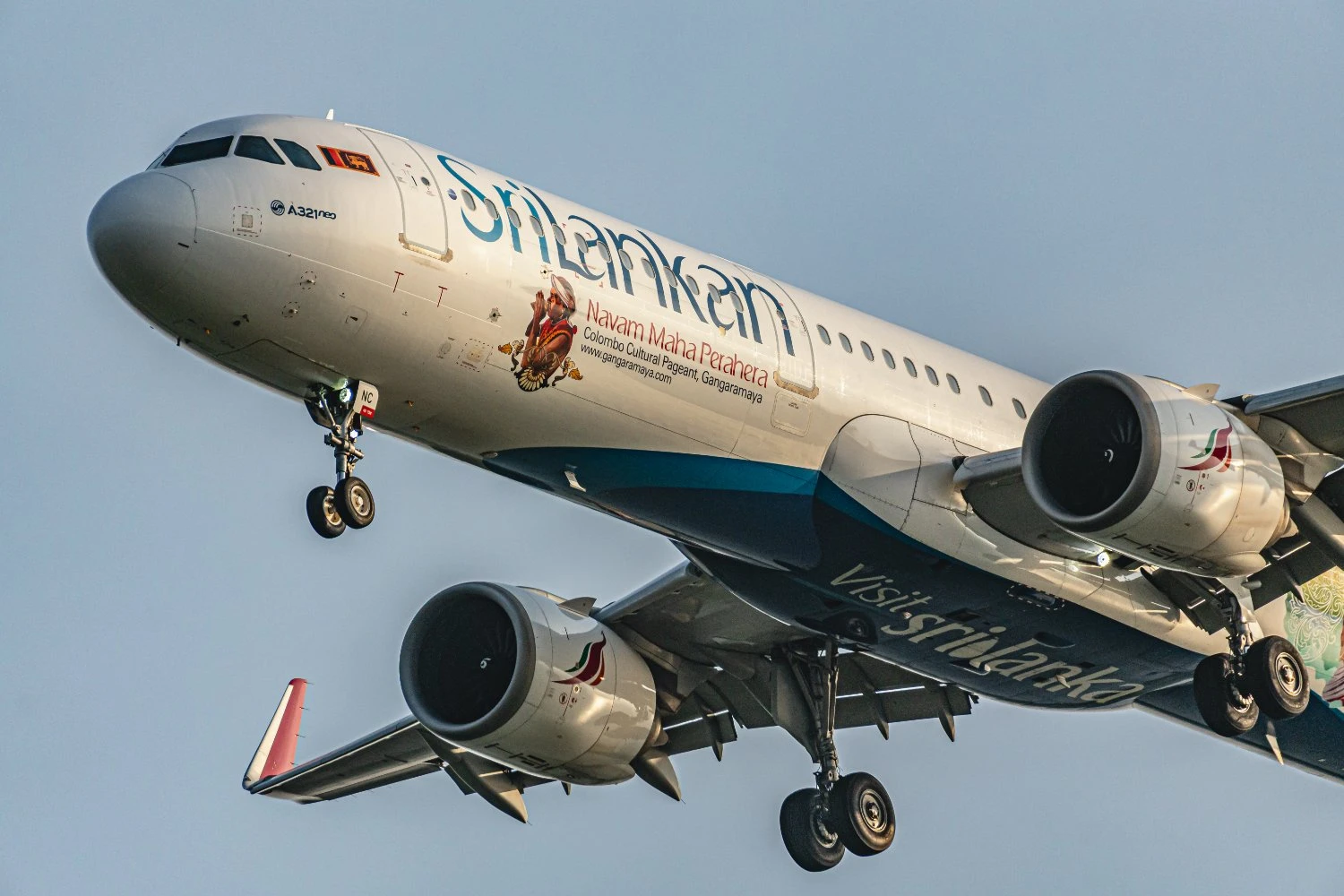
Airbus built up billions of euros in inventory in the first quarter as supply chain bottlenecks — particularly shortages involving Pratt & Whitney engines — continued to slow aircraft deliveries even as production moved forward.
The company’s inventory rose to €46.9 billion by March 31, up from €41.7 billion at the end of 2025, an increase of €5.2 billion in just three months, according to its quarterly financial statements. Airbus said the increase was “mostly driven by work in progress in order to support the ramp-up and higher level of finished goods.”
In practical terms, that means Airbus is building aircraft, parts and components faster than it can complete and deliver them to airlines. Some jets may be largely assembled but remain undelivered while waiting for engines or other components, tying up cash until customers take delivery and make final payments.
Follow Air Data News: WhatsApp | Google News | Instagram | LinkedIn | Twitter | Facebook
The buildup coincided with weaker deliveries. Airbus handed over 114 commercial aircraft in the first quarter, down from 136 aircraft a year earlier.
Those deliveries included 81 Airbus A320 Family jets, 19 Airbus A220 aircraft, 11 Airbus A350s and three Airbus A330s. Commercial aircraft revenue fell 11% year-over-year to €8.4 billion.
Adjusted EBIT for the commercial aircraft division dropped 84%, from €494 million in the first quarter of 2025 to €81 million. Reported EBIT for the division fell from €451 million to just €1 million.
EBIT is a measure of operating profit before interest and taxes, and the decline shows how sharply profitability weakened in Airbus’s core commercial aircraft business. In simple terms, the company sold fewer aircraft while continuing to absorb the fixed costs of maintaining production lines, factories and suppliers.
Airbus said Pratt & Whitney remains the main obstacle to increasing output of the Airbus A320neo family.
Guidance maintained
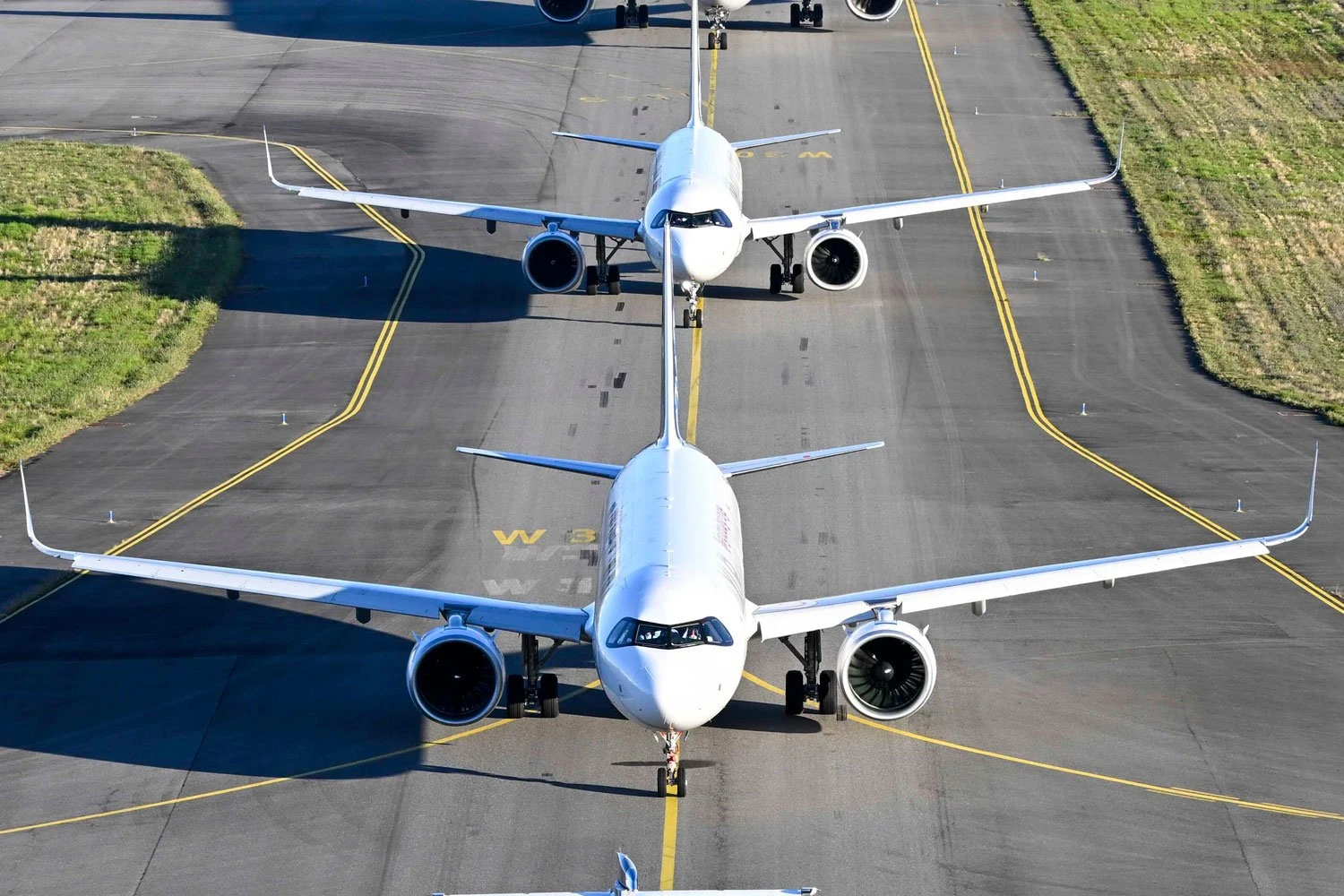
The company still expects to reach a production rate of 70 to 75 A320neo-family aircraft per month by the end of 2027, but said Pratt & Whitney “remains the key pacer of the ramp-up trajectory,” affecting both 2026 and 2027.
The delivery slowdown also weighed heavily on cash generation.
Free cash flow before customer financing fell to negative €2.5 billion in the quarter, compared with negative €310 million a year earlier.
Free cash flow tracks how much cash a company generates after covering operating and investment expenses. A negative figure means more cash is leaving the business than coming in. For Airbus, the sharp deterioration reflects aircraft that are being built but not yet delivered, delaying customer payments and leaving more capital tied up in unfinished inventory.
Despite those pressures, Airbus maintained its full-year guidance of around 870 commercial aircraft deliveries, adjusted EBIT of about €7.5 billion and free cash flow before customer financing of roughly €4.5 billion.
Chief Executive Guillaume Faury said Airbus continues to operate in a “dynamic and complex” environment while monitoring geopolitical risks, including tensions in the Middle East.
