



More than a decade after the last C-17 Globemaster III entered service with the U.S. Air Force, lawmakers in Washington are asking whether Boeing could build the strategic airlifter again.
The House Armed Services Committee has directed the Air Force to prepare a formal assessment of the feasibility of restarting C-17 production and deliver its findings by March 1, 2027. The requirement was included in the committee’s report accompanying the annual defense authorization bill.
The request comes as the Air Force continues to rely heavily on a fleet of 222 C-17s for military deployments, humanitarian operations and global logistics missions. The aircraft remains the backbone of U.S. strategic airlift capability, while allied operators in Australia, Canada, India, Kuwait, Qatar, the United Arab Emirates and the United Kingdom continue to use the type as well.
Unlike previous debates centered on future transport aircraft concepts, the congressional study focuses on a platform that already exists but has not been produced since 2015, when Boeing shut down the Long Beach assembly line after completing the final deliveries.
Lawmakers want the Air Force to determine how much it would cost to restore production infrastructure, rebuild the supply chain, recover specialized tooling and reassemble the workforce required to manufacture new aircraft. The study must also examine how quickly new C-17s could be delivered and whether international industrial partnerships could reduce program costs.
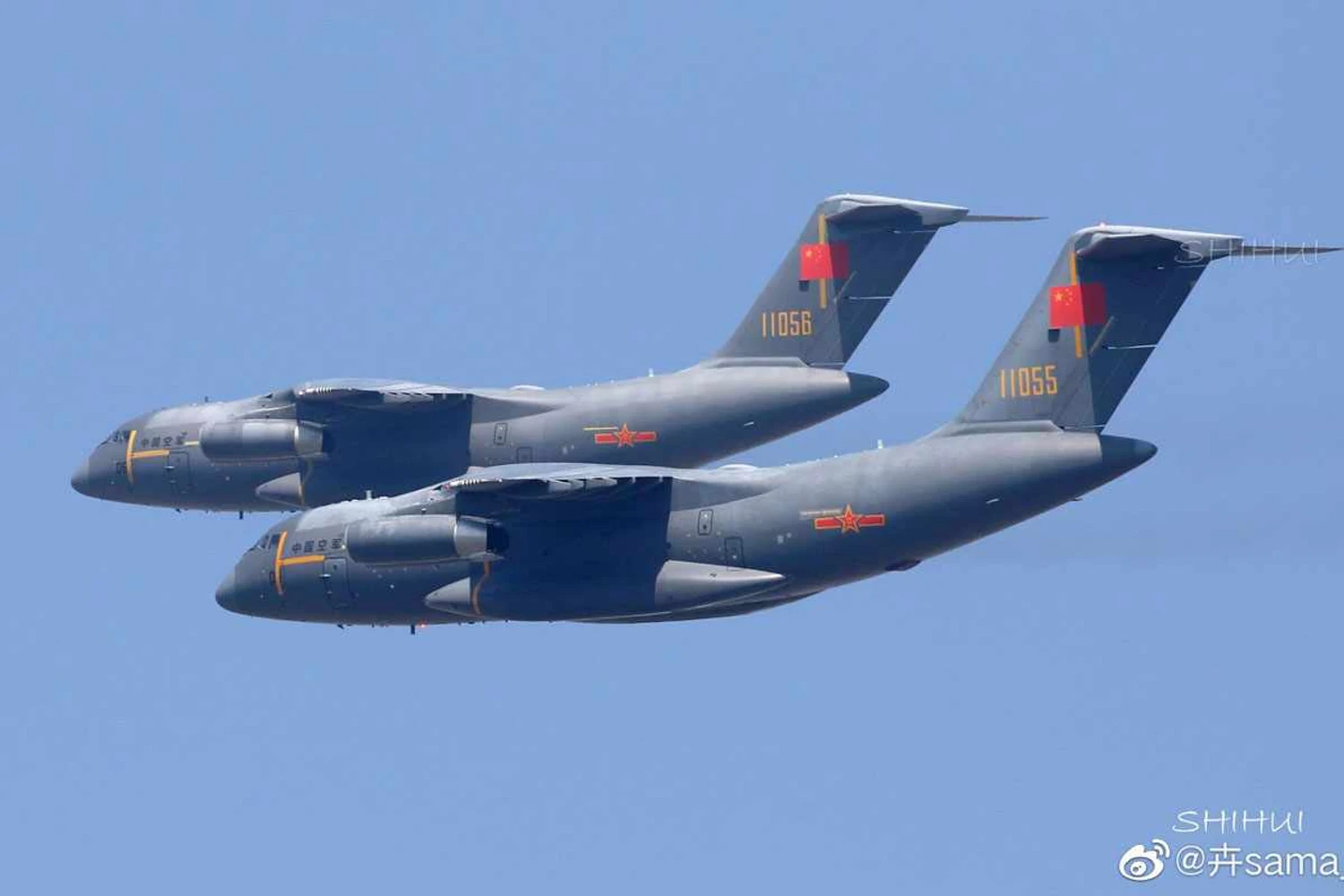
The question has gained relevance because there is currently no direct Western equivalent in production. Airbus manufactures the A400M, which occupies a category between the C-130 Hercules and the C-17, while Embraer’s KC-390 Millennium competes primarily in the tactical airlift segment. Outside the Western market, only China’s Y-20 and Russia’s Il-76 remain in production in a similar size.
Relaunch production could require at least $2 billion
Although Congress did not cite a specific acquisition plan, Boeing has acknowledged receiving inquiries from existing operators about the possibility of restarting the program. During the 2025 Paris Air Show, company executives confirmed they had held preliminary discussions with at least one unidentified country regarding potential future production.
Any restart effort would likely carry a multibillion-dollar price tag. A RAND Corporation analysis conducted in 2011 estimated that relaunching production of the baseline C-17A could require between $2.1 billion and $2.7 billion before a single aircraft is delivered, with more advanced variants demanding substantially larger investments.
Japan could emerge as one potential customer should a new production run become available. Former Prime Minister Shigeru Ishiba expressed interest in acquiring the Globemaster III last year, adding to speculation that international demand may be necessary to justify reopening the line.
The congressional mandate also asks the Air Force to consider alternatives for expanding strategic airlift capacity, including cargo aircraft derived from commercial airliners and a larger Civil Reserve Air Fleet. Those options may ultimately prove less expensive than recreating an industrial base that has been dormant for more than a decade.
TWZ first reported details of the congressional requirement and Boeing’s recent comments regarding interest in the C-17 program.
