


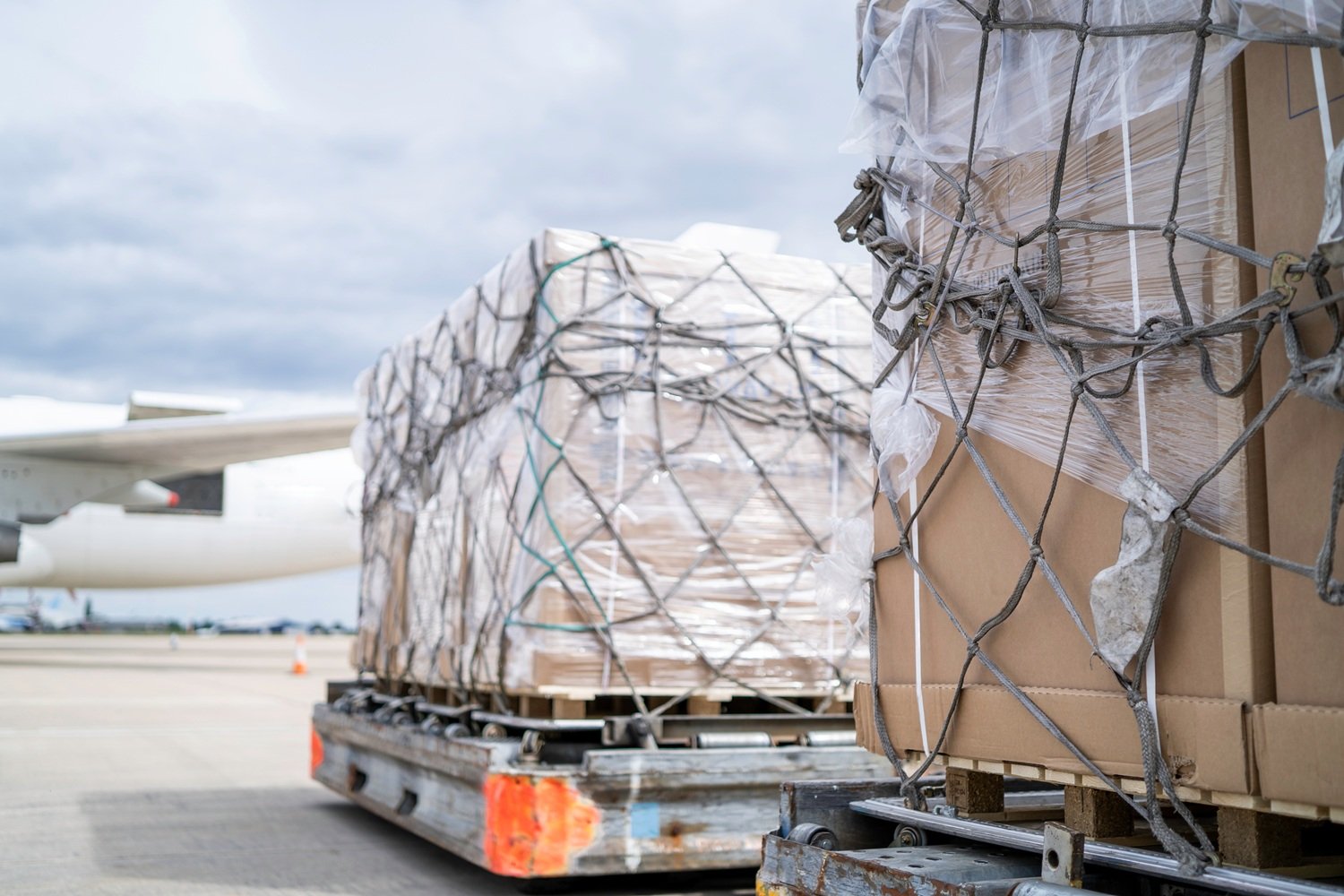
Airfreight capacity is continuing to come under pressure as a result of rising demand for AI and computer chip products and a reduction of bellyhold capacity, according to freight forwarder Dimerco.
The Taiwan-headquartered freight forwarder said that the jet-fuel crisis created by the Middle East conflict has resulted in airlines reducing passenger services, which in turn has put pressure on belly capacity, particularly on Asia-Europe services.
Dimerco said that, at the same time, AI-related cargo continues to affect the market.
“Strong demand for electronics, semiconductors and AI-related shipments is also driving volumes into the US, contributing to backlogs and elevated rates on key routes,” Dimerco explained.
The company said that capacity from Taipei to the US remains tight on both direct and indirect flights, which is driving rate increases.
Urgent cargo on the route continues to command premiums to secure uplift, while general cargo is largely routed via indirect services.
Dimerco also reported “severe space constraints and rising rates” from South Korea due to reduced airline supply as well as strong China e-commerce demand, particularly on US lanes. Meanwhile, semiconductor and IT demand were keeping space tight and rates elevated from South Korea to Southeast Asia.
In China, Dimerco reported frequent flight cancellations on services between the country and Bangkok, Manila and Jakarta as a result of localised fuel shortages, while the labour day holiday at the start of May has resulted in airlines cancelling freighter services, and there is a general tightening of capacity due to payload restrictions.
Kathy Liu, vice president, global sales and marketing, Dimerco Express, said the current market conditions meant shippers were planning earlier.
“Demand for traditional commodities is still relatively stable, but cost pressure is building across the board,” she said. “With fuel surcharges rising and capacity tightening, shippers are having to plan earlier and manage costs much more carefully than before.”
Liu’s remarks reflect those of UK forwarder Baxter, which earlier this week also noted that shippers were being increasingly cautious with their planning as a result of concerns over potential fuel shortages and rising costs caused by the situation in the Middle East.
“We are likely to see more selective adjustments by airlines,” said Baxter Freight associate director of air freight services Sarah Powell. “Profitable routes may be reduced first, and high-frequency routes could see some scaling back. Any reduction in flights will inevitably tighten cargo capacity in certain lanes.”
Semicondutor demand
The rise in semiconductor demand mentioned by Dimerco has been one of the key trends in air cargo over the past couple of years.
Data provider and consultant Rotate recently released figures showing that in 2025, air cargo volumes related to cloud computing had increased by 49% year on year, or by 314,000 tonnes, with demand growth largely concentrated out of Taiwan.
The only sector to report a larger increase in total demand was e-commerce, which was up 727,000 tonnes, or 20% compared with 2024 levels.
“With e-commerce showing no signs of slowing, and AI infrastructure buildouts accelerating, the capacity squeeze may only tighten,” Rotate said.

