



New national consortium aims to reduce production costs and speed commercialization of advanced batteries, including those used in drones.
The U.S. Department of Energy (DOE) has launched a new national consortium to improve domestic battery manufacturing. The initiative could help address a key challenge for the U.S. drone industry: building a reliable and competitive domestic battery supply chain.
Announced October 28, the Battery Manufacturing Accelerator (BattMan) brings together four national laboratories and five universities. Pacific Northwest National Laboratory leads the effort, which will also seek industry partners.
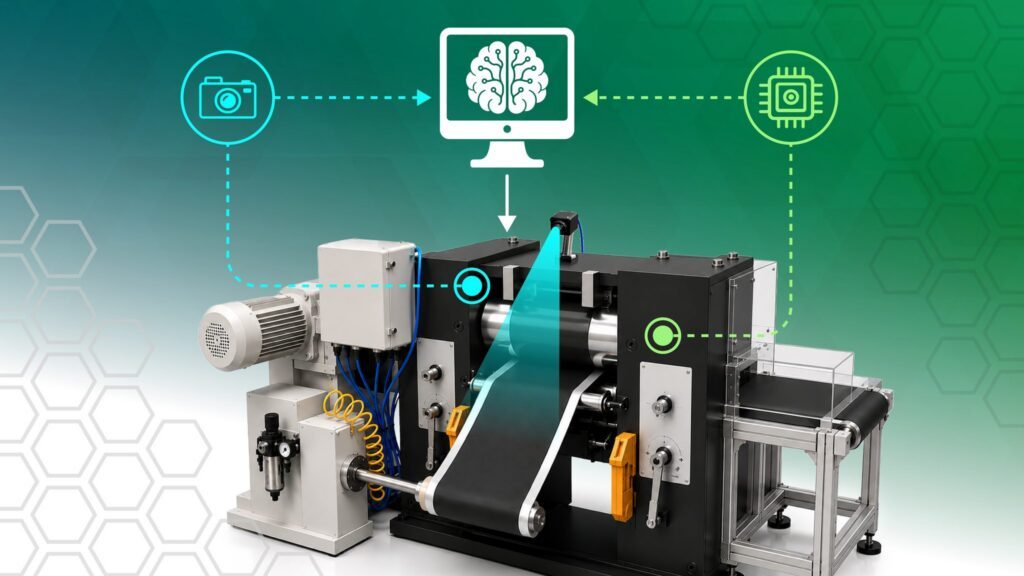
The consortium will use artificial intelligence, advanced sensors, and automated manufacturing systems to reduce production costs and improve battery quality. Its work will support batteries used in drones, transportation, energy storage, and defense applications.
Reducing Waste and Improving Battery Production
One focus of the initiative is reducing waste during battery electrode manufacturing.
According to Oak Ridge National Laboratory, electrode production can generate scrap rates as high as 40%. Researchers aim to reduce that figure to less than 5% through improved monitoring and automated process controls.
The technology would allow manufacturing equipment to detect problems and adjust production processes in real time. This could reduce wasted materials, improve consistency, and lower the cost of producing battery cells.
Researchers will conduct part of this work at Oak Ridge National Laboratory’s Battery Manufacturing Facility in Tennessee.
The consortium will examine manufacturing processes for conventional lithium-ion batteries and emerging battery technologies. Its goal is to help move new technologies from laboratory development into commercial production.
Building a Domestic Drone Battery Supply Chain
The announcement comes as the U.S. government and private industry work to reduce dependence on imported drone components.
Battery cells remain a significant challenge. While U.S. companies develop advanced battery technologies, domestic production capacity is limited. Manufacturers must also compete with established overseas suppliers on cost, quality, and scale.
Recent federal initiatives and private investments have focused on expanding U.S. battery production.
In September, DRONELIFE reported that Amprius Technologies received an award of up to $75 million to support domestic drone battery manufacturing. The proposed production line could manufacture up to 12 million battery cells annually.
In October, Badland Batteries opened a manufacturing facility in Fargo, North Dakota, focused on producing battery cells for drones and defense systems.
BattMan addresses a related challenge: improving the manufacturing processes needed to make domestic battery production efficient and commercially competitive.
The consortium has not announced a timeline for commercial production or identified specific drone manufacturers as partners. However, its research could support efforts to expand U.S. battery manufacturing capacity and reduce reliance on foreign suppliers.
For more information, see the DOE Battery Manufacturing Accelerator program.

Miriam McNabb is the Editor-in-Chief of DRONELIFE and CEO of JobForDrones, a professional drone services marketplace, and a fascinated observer of the emerging drone industry and the regulatory environment for drones. Miriam has penned over 3,000 articles focused on the commercial drone space and is an international speaker and recognized figure in the industry. Miriam has a degree from the University of Chicago and over 20 years of experience in high tech sales and marketing for new technologies.
For drone industry consulting or writing, Email Miriam.
TWITTER:@spaldingbarker
Subscribe to DroneLife here.
