


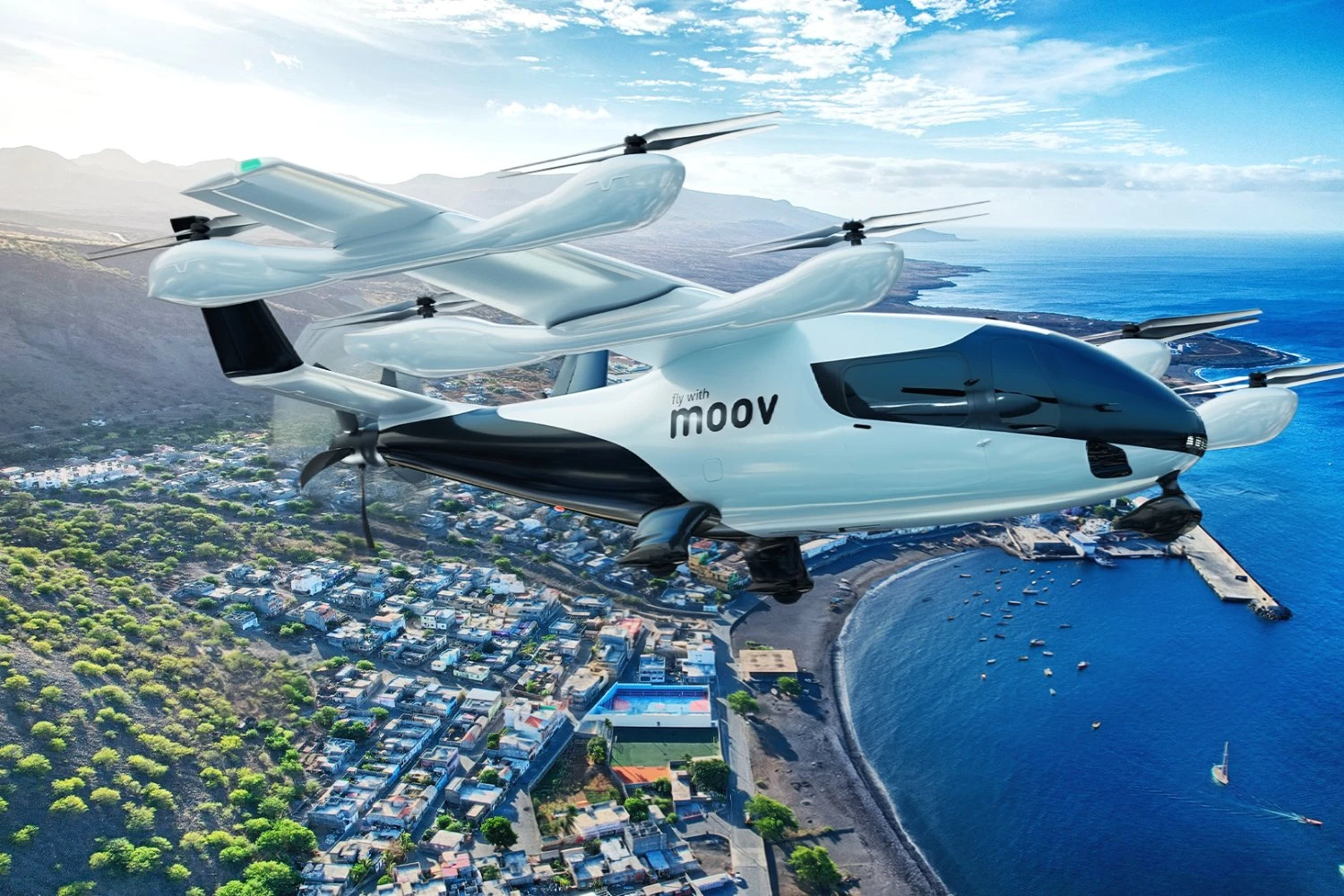
Eve Air Mobility officially named its electric vertical takeoff and landing aircraft the Eve 100 as the Embraer subsidiary announced a series of developments at the Farnborough International Airshow, including progress in its certification campaign and letters of intent covering up to 46 aircraft.
The most significant announcement came from Brazil’s National Civil Aviation Agency (ANAC), which published the proposed noise certification requirements for the Eve 100. The consultation runs through August 8 and will establish how the aircraft’s acoustic performance will be measured during certification.
Unlike conventional airplanes and helicopters, eVTOL aircraft require dedicated certification standards because of their different propulsion systems and flight profiles. The proposed rules define the methodology and compliance limits the Eve 100 will need to meet before entering commercial service.
On the commercial side, Eve signed a letter of intent with aircraft lessor Shearwater Global Capital covering up to 16 Eve 100 aircraft. If converted into firm orders, the aircraft would be leased to future advanced air mobility operators rather than flown by Shearwater itself.
The company also reached a separate agreement with Swiss aviation company Moov for up to 30 aircraft. The partners will study potential operations in Cabo Verde, including airport transfers, inter-island transportation, sightseeing flights and medical missions.
Both agreements are non-binding and do not represent firm aircraft orders, but indicate continued commercial interest as manufacturers move toward certification.
Follow Air Data News: WhatsApp | Instagram | LinkedIn | Twitter | Facebook
The adoption of the Eve 100 designation is the first official product name announced by the company since the program was launched. Until now, Eve had referred to the aircraft simply as its eVTOL demonstrator or eVTOL aircraft.
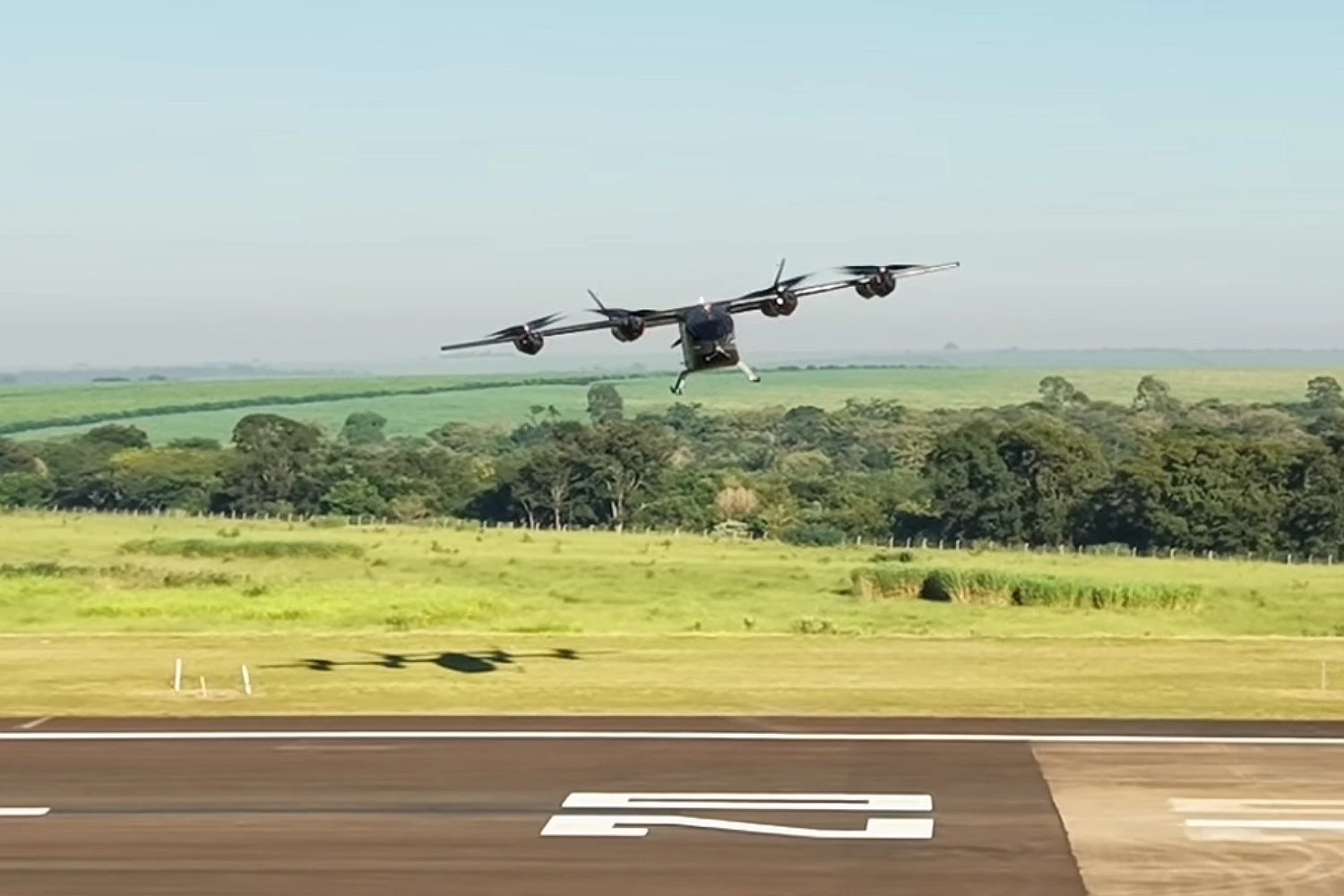
Eve’s development program has progressed more slowly than the company originally anticipated. The manufacturer initially targeted certification in 2026 before pushing the schedule to 2027 and 2028, but recent announcements no longer identify a specific entry-into-service date.
Flight testing also remains limited to a single unmanned prototype, while several competing eVTOL developers have already expanded their certification campaigns to multiple aircraft, including piloted prototypes.
